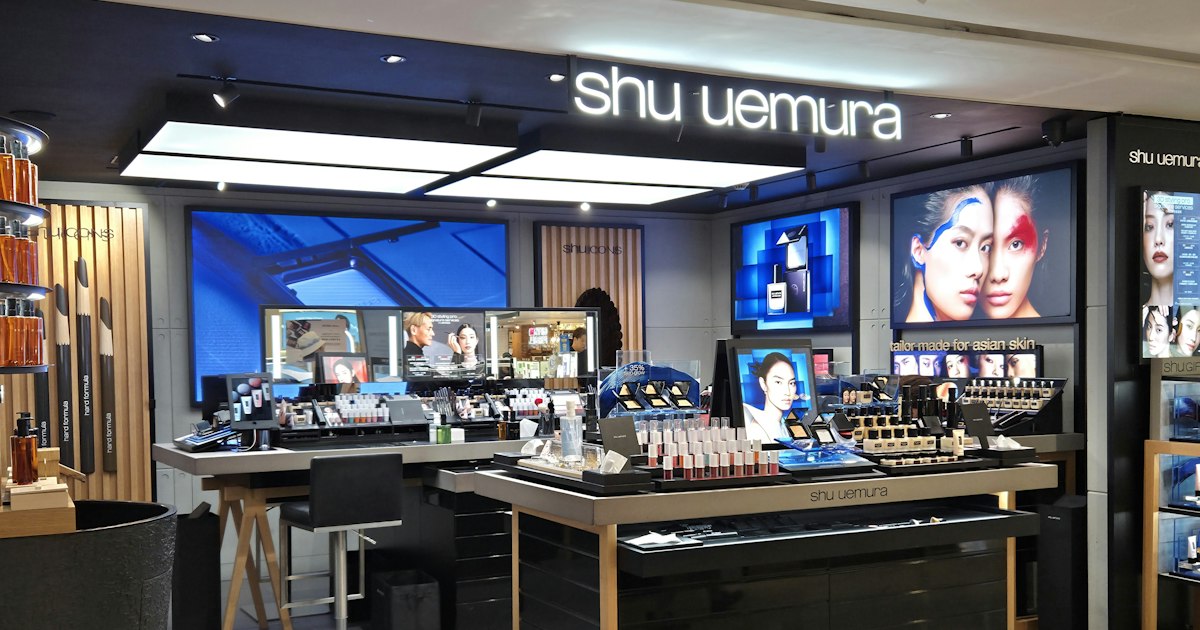
Photo by Cheung Yin on Unsplash
In Japan, walking out of a department store beauty floor with a little paper bag of free skincare and makeup samples isn’t a lucky fluke — it’s a whole culture, and it has a name: omake (おまけ), meaning “extra” or “bonus.” Japanese cosmetics brands spend heavily on sampling because trial-size trust-building is baked into how skincare is sold here, and as a visitor, you can tap into the same system with nothing more than a purchase, a polite question, or sometimes just a smile at the right counter. Here’s how to do it properly, where the best hauls are, and what mistakes waste the trip.
What Omake Actually Means at a Beauty Counter
Omake isn’t a coupon or a loyalty perk you have to sign up for — it’s a freebie added at the point of sale, decided by the staff or the campaign running that week. At a department store cosmetics counter, buying a single item (even a ¥1,500 lip balm) often triggers an offer of 2-4 sample sachets of a cleanser, serum, or sunscreen, sometimes packed in a small branded pouch. Buy a full skincare set worth ¥8,000-¥15,000 and you may walk away with a dedicated gift: a travel kit, a mini tote bag, or a seasonal item tied to a brand’s current campaign (these change monthly, often around the 1st). The key etiquette point: don’t ask for omake aggressively. The natural phrase is a simple “サンプルありますか?” (sample arimasu ka — “do you have samples?”) asked after you’ve shown genuine interest in a product, not before you’ve looked at anything.
Department Store Beauty Floors: Your Best Starting Point
The ground floor (1F) of almost every major Japanese department store is a wall-to-wall cosmetics hall, and this is where omake culture is most generous. Isetan Shinjuku’s beauty floor (open 10:00-20:00) is the famous one — staff are used to tourists and many counters have English-speaking stylists during peak afternoon hours. Takashimaya Shinjuku and Mitsukoshi Ginza run similarly, and all three regularly host “fair” weeks for specific brands (SK-II, Shiseido, Shu Uemura, Kanebo) where buying almost anything from the fair earns a themed gift bag. Weekday mornings right after opening tend to have the most attentive staff and the freshest stock of sample sets, since weekend afternoons get crowded and samples run out first. If you’re combining a beauty-floor visit with other errands, these department stores sit right above major train stations, so it’s easy to fold into a day that also includes something like a proper shiatsu massage for a full self-care afternoon.
Drugstores and @cosme Store: Lower Stakes, Still Worth It
You don’t need a department-store budget to get in on omake. Chains like Matsumoto Kiyoshi, Tomod’s, and Don Quijote (many locations open 24 hours, which is handy if you’re jet-lagged and shopping at midnight) stock sample baskets near the register for specific skincare lines — look for small plastic bins labeled サンプル or 試供品 (shikyouhin). These are self-serve and genuinely free, usually limited to one or two per person as a courtesy. @cosme Store, the flagship of Japan’s biggest beauty review site, has a well-known branch in Harajuku (open roughly 11:00-20:00) where staff will often add a sample sachet to any purchase over a few thousand yen, and the store itself runs a “ranking” wall of best-selling items that’s worth browsing even if you don’t buy — it’s the fastest way to find out what’s actually trending before you commit real money to a full-size bottle.
Duty-Free Counters and Department Store Basements
Airport and downtown duty-free cosmetics counters (Narita, Haneda, and the tax-free floors inside stores like Isetan or Don Quijote’s tourist-focused branches) run their own omake campaigns, often more generous than domestic counters because they’re trying to convert tourists into repeat online customers. Spending over roughly ¥10,000 tax-free on a single skincare brand at these counters commonly earns a dedicated gift set rather than loose sachets. The catch: duty-free prices aren’t always cheaper than a regular drugstore once you account for the yen exchange rate, so compare before assuming the tax-free sticker means a better deal — sometimes the omake is the actual value, not the discount.
Timing Your Visit for Maximum Omake
Two windows matter most. First, new product launch periods — Japanese cosmetics brands cycle seasonal lines (spring UV/whitening pushes around March-April, winter moisture-barrier sets around November-December), and launch weeks come with the heaviest sampling because brands want trial feedback fast. Second, year-end and New Year “fukubukuro” (lucky bag) season in late December and early January, when beauty floors bundle samples into mystery bags sold at a steep discount — not free, but extraordinary value per item. Outside of these windows, omake still happens daily, just at a steadier, smaller pace.
Common Mistakes Visitors Make
- Asking before buying anything. Samples are a thank-you for a purchase or a genuine product inquiry, not a walk-up request. Browse and ask a question about ingredients or skin type first.
- Assuming all staff speak English. Department store flagship counters usually have someone who does; smaller drugstore branches often don’t. A translation app or simple Japanese phrases go further than expected.
- Hoarding from self-serve bins. Taking more than one or two samples from an open drugstore basket is considered rude and can get the whole bin removed by staff.
- Forgetting customs limits. Sample-size liquids and creams are fine in checked luggage, but if you’re carrying them in a cabin bag, standard liquid restrictions (100ml per container) still apply at Japanese airport security.
- Skipping the thank-you. A small nod or light bow when staff hand over a sample is the norm — if you want a quick primer on getting this right, this guide to bowing in Japan covers exactly how much is appropriate in a retail setting.
A Free Source Visitors Often Overlook: Your Hotel
Beyond beauty counters, many Japanese hotels — especially business hotel chains and ryokan — stock their own branded skincare samples at the front desk or in vending-style amenity corners, separate from what’s already in your room. It’s worth asking at check-in whether extra sample sets are available, particularly at hotels that partner with Japanese cosmetics brands for guest amenities. If you’re unfamiliar with how check-in procedures and ID checks work at Japanese hotels, this guide to checking into a Japanese hotel is a useful read before your first night, since the process differs enough from Western hotels to catch first-time visitors off guard.
Treat omake hunting as a side quest rather than the main event: budget travelers can build a genuinely useful skincare kit for the cost of a few drugstore basics, mid-range shoppers get real value by concentrating purchases at one department store counter during a brand fair, and anyone splurging on a flagship product should simply ask what’s included that week — the answer changes constantly, and that’s half the fun.