Japan Trove

Category: Where & How to Buy

Tax-free shopping, Don Quijote, Akihabara, proxies and how to buy from Japan.

  • Cheap Souvenirs from Japan: Best Budget Gifts

    Cheap Souvenirs from Japan: Best Budget Gifts

    You don’t need to splurge to bring home great gifts from Japan. Some of the best souvenirs cost just a few hundred yen. Here’s where to find cheap, cheerful, unmistakably-Japanese finds.

    Best budget souvenirs

    • Kit Kats & regional snacks — fun flavors that travel well; see our Kit Kat guide.
    • Cute stationery — pens, sticky notes, washi tape; see stationery.
    • Chopsticks, tenugui cloths, folding fans, and small ceramic dishes.
    • Face masks & beauty samples — see drugstore buys.
    • Character goods & gachapon — see our capsule toy guide.

    Where to shop cheap

    • 100-yen shops (Daiso, Seria) — the champion of cheap souvenirs; see our 100-yen shop guide.
    • Don Quijote for snacks and novelties; see the Donki guide.
    • Konbini for last-minute edible gifts; see konbini must-buys.
    • Station & temple stalls for regional omiyage.

    Smart tips

    • Buy multipacks of individually wrapped sweets — perfect for sharing at work.
    • Prices are before tax; over 5,000 yen, shop tax-free with your passport.
    • Pack a foldable bag for the haul. For pricier picks, see our best gifts from Japan.
  • Ginza Shopping Guide: Luxury, Depachika & Flagships

    Ginza Shopping Guide: Luxury, Depachika & Flagships

    Ginza is Tokyo’s most elegant shopping district — flagship boutiques, historic department stores, and refined dining. Whether you’re window-shopping or splurging, here’s how to enjoy it.

    What Ginza is known for

    • Luxury flagships — the global fashion houses line Chuo-dori.
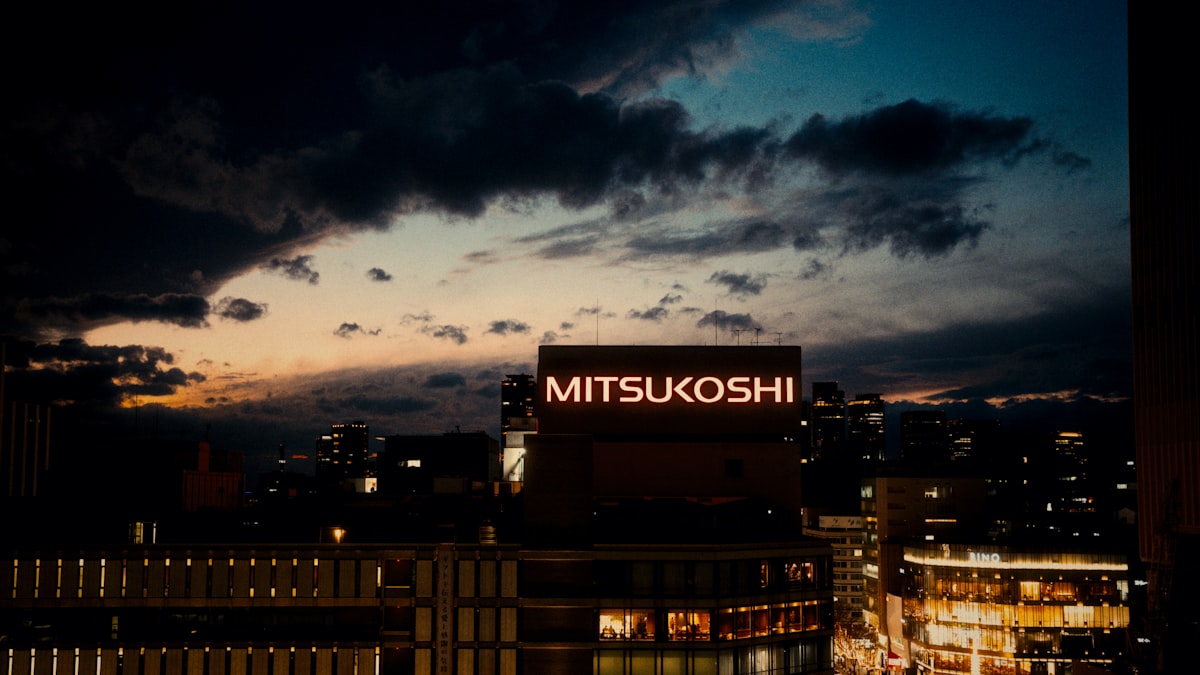
    • Historic department stores — Mitsukoshi, Matsuya, and Wako with its iconic clock tower.
    • Uniqlo & Muji flagships — the giant Ginza stores have the widest ranges; see Uniqlo vs Muji and Muji must-buys.
    • Depachika — the department-store food halls are a must for edible gifts and sweets.

    Don’t-miss stops

    • Ginza Six — a stylish mall with art installations and a rooftop garden.
    • Itoya — a legendary multi-floor stationery emporium; see Japanese stationery.
    • Weekend pedestrian paradise — Chuo-dori closes to cars on weekend afternoons.

    Shopping smart

    • Bring your passport for tax-free at department stores.
    • Depachika discount seafood/deli near closing time is a fun (and tasty) hack.
    • For cheaper souvenirs, pair with Don Quijote or 100-yen shops elsewhere.

    Getting there

    Ginza Station (multiple lines) drops you in the heart of it; grab an IC card. It pairs well with nearby Tsukiji. More in our Tokyo guide.

  • Secondhand Shopping in Japan: Thrift & Luxury Deals

    Secondhand Shopping in Japan: Thrift & Luxury Deals

    Japan is a secondhand paradise — used goods here are famously clean, honestly graded, and cheap. From designer bags to vintage kimono, thrifting is one of the smartest ways to shop. Here’s how.

    Why Japan’s secondhand scene is special

    Japanese resale culture prizes condition and honesty: items are meticulously cleaned, carefully graded, and often look nearly new. Because many owners treat things gently, you’ll find high-quality goods — including luxury — at a fraction of retail.

    The big chains to know

    • Book-Off — used books, manga, games, CDs; see buying manga.
    • Hard-Off / Off-House — electronics, instruments, and general goods.
    • 2nd Street & Mode Off — used fashion and accessories.
    • Mandarake — collectibles, figures, and vintage anime goods; great in Akihabara.

    What to hunt for

    • Luxury bags & watches — reputable resellers authenticate; huge savings. See Japanese watches.
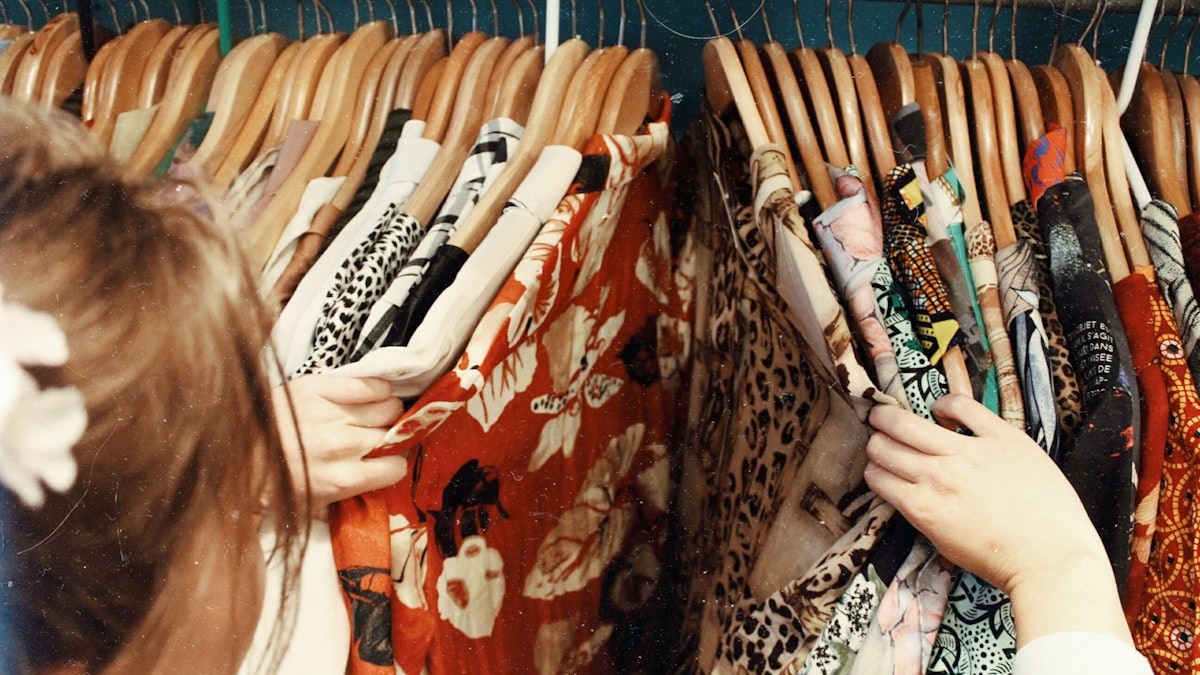
    • Vintage fashion — Shimokitazawa and Koenji in Tokyo are treasure troves.
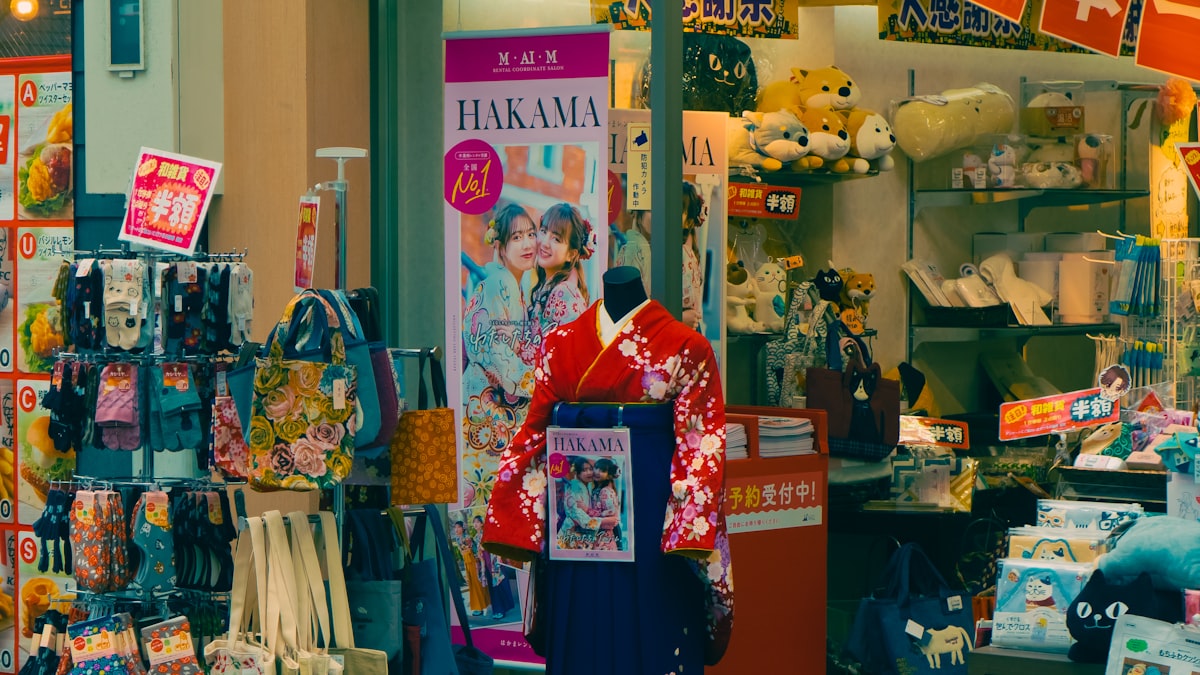
    • Vintage kimono — beautiful and inexpensive; see the kimono & yukata guide.
    • Cameras, games & collectibles — often mint condition.

    How grading works

    Shops grade items (often S/A/B/C or similar) by condition, with prices to match. Inspect anything electronic or mechanical, and don’t be shy — staff are used to careful browsing.

    Tips

    • Bring your passport — many chains offer tax-free over the threshold.
    • Prices are usually fixed (little haggling), but sales and bargain corners are common.
    • Can’t visit in person? A proxy service can bid on Japanese resale sites and auctions for you.
    • It’s a sustainable, budget-friendly way to find unique gifts.
  • Electronics to Buy in Japan (and What to Avoid)

    Electronics to Buy in Japan (and What to Avoid)

    Some links below are affiliate links. If you buy through them, Japan Trove may earn a small commission at no extra cost to you.

    Japan is a gadget lover’s playground — but before you fill your suitcase, there are voltage, region, and warranty catches to know. Here’s a smart buyer’s guide.

    Read this first: compatibility

    • Voltage: Japan runs on 100V. Many electronics are dual-voltage, but not all — check the label, especially for hair tools and appliances.
    • Plugs: Japan uses Type A (like North America). You may need an adapter at home.
    • Region locks: Blu-rays and some game hardware are region-specific. Nintendo Switch is region-free — see buying Nintendo games.
    • Warranty: Japanese warranties are usually domestic-only; look for “international warranty” if it matters.

    What’s actually worth buying

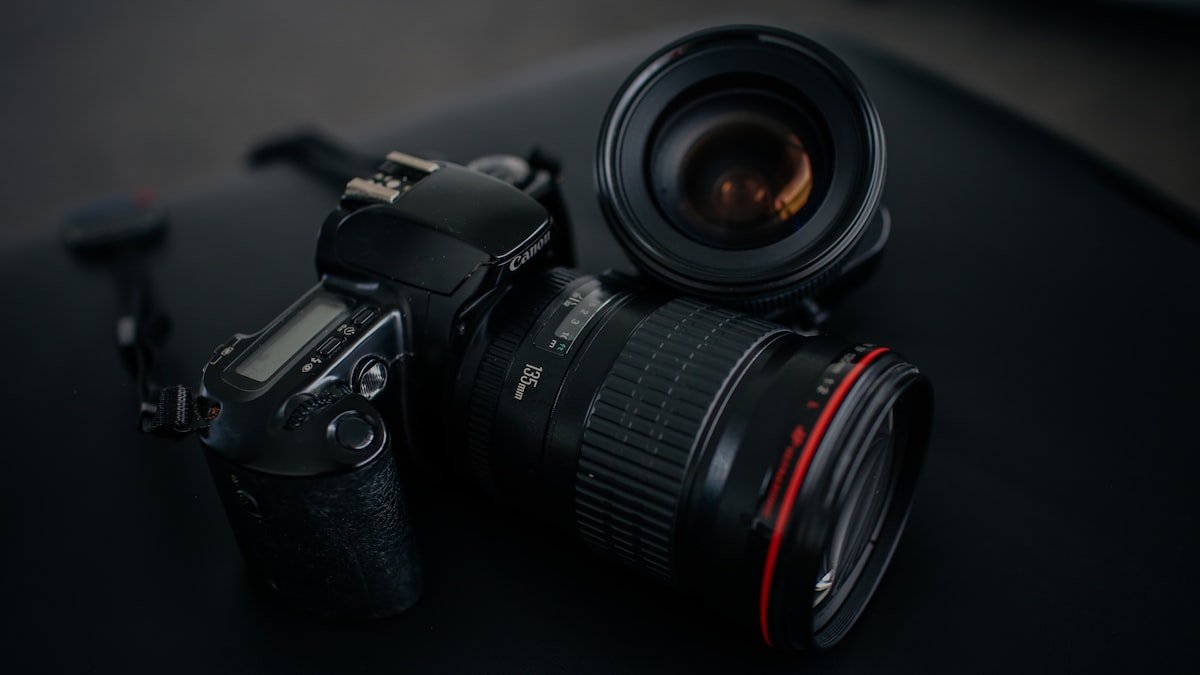
    • Cameras & lenses — great selection; tax-free savings add up.
    • Audio — headphones, earbuds, and hi-fi from Japanese brands.
    • Beauty tech — facial devices and hair tools (check voltage!); see beauty tools.
    • Kitchen gadgets — rice cookers (buy the overseas-voltage export models), quirky tools.
    • Watches — Japanese watch brands at good prices.
    • Gaming — see Nintendo and retro finds in Akihabara.

    Where to buy

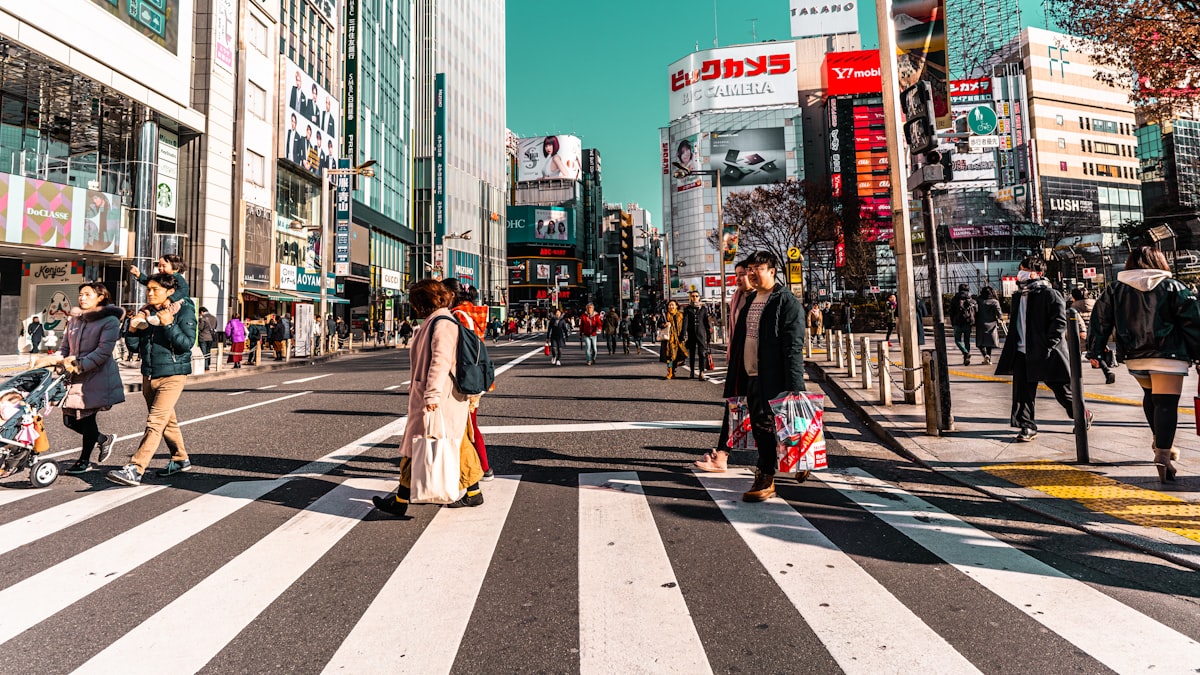
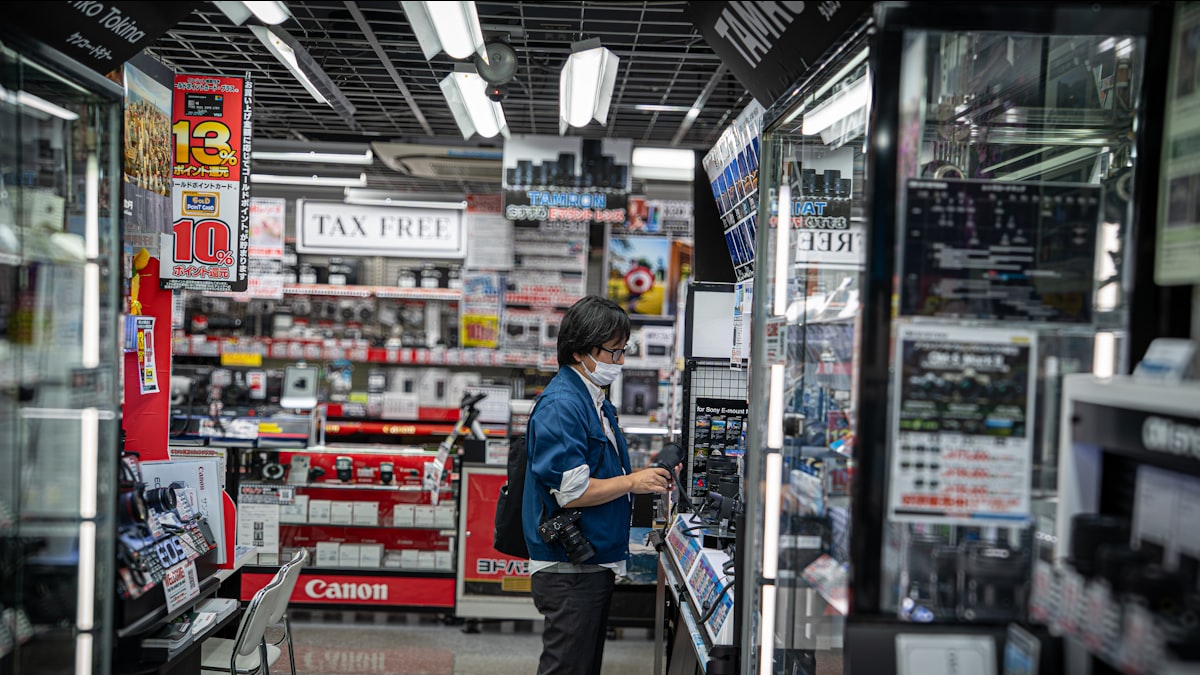
    • Yodobashi Camera & Bic Camera — huge, tax-free, English support.
    • Don Quijote for cheap gadgets — see our Donki guide.
    • Akihabara for specialist and used gear.

    Save money

    • Bring your passport for tax-free shopping (5,000 yen+).
    • Ask for the export model for voltage-sensitive appliances.
    • Buying big or heavy? Consider a proxy service or check prices on Amazon back home.
  • Akihabara Shopping Guide: Anime, Games & Electronics

    Akihabara Shopping Guide: Anime, Games & Electronics

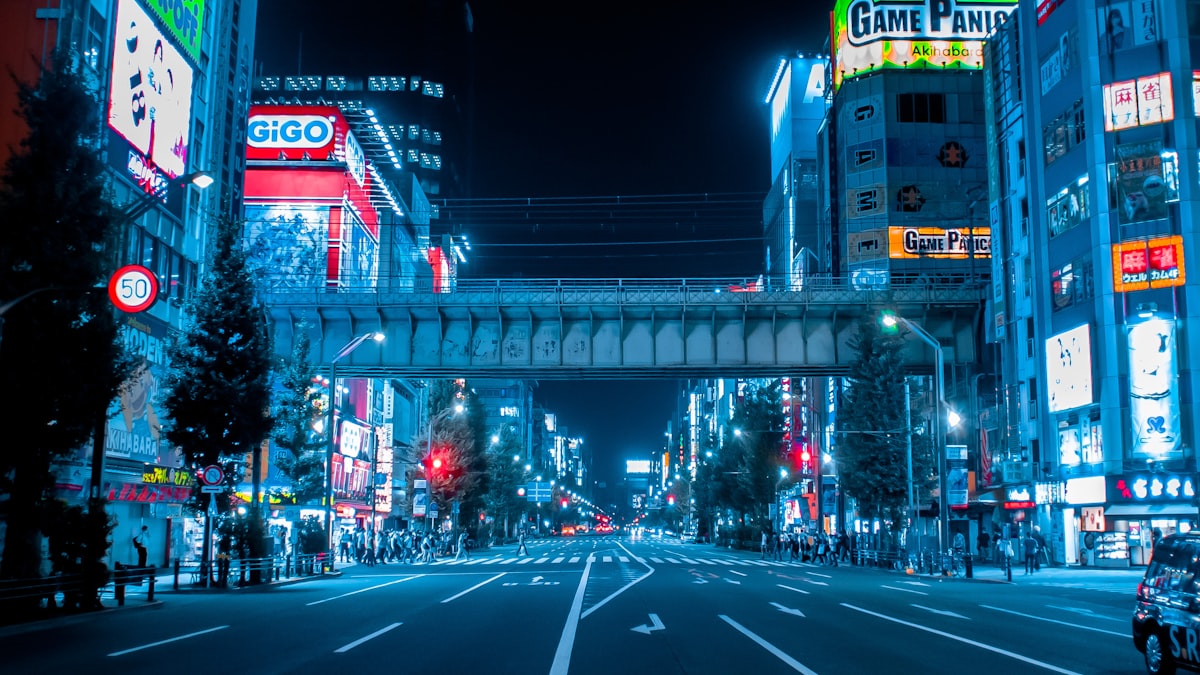
    Akihabara — “Akiba” — is Tokyo’s electric town and the beating heart of anime, gaming, and gadget culture. Here’s how to shop it without getting overwhelmed.

    What Akihabara is famous for

    • Anime & manga goods — figures, merch, doujinshi, and more.
    • Electronics — from tiny components to the latest gadgets.
    • Retro & current gaming — consoles, cartridges, and arcades.
    • Otaku culture — maid cafes, gachapon halls, and themed stores.

    Stores to know

    • Yodobashi Akiba — a giant one-stop electronics department store, tax-free for tourists.
    • Mandarake — floors of collectibles, vintage figures, and manga.
    • Super Potato — the famous retro-game shrine.
    • Animate & Kotobukiya — anime merch and model kits; see buying anime figures.
    • Gachapon halls — walls of capsule-toy machines.

    Shopping smart

    Tips

    • Weekends are busy; the main street (Chuo-dori) goes pedestrian-only on Sundays (weather permitting).
    • Building basements and upper floors hide the best specialist shops — look up.
    • Can’t carry it all? Use a proxy service to ship home.

    Akiba is a half-day easily — pair it with the rest of our Tokyo guide.

  • Don Quijote (Donki) Shopping Guide for Tourists

    Don Quijote (Donki) Shopping Guide for Tourists

    Don Quijote — “Donki” to locals — is Japan’s chaotic, wonderful discount megastore, and a must-visit for souvenir shopping. Here’s how to conquer it.

    What is Don Quijote?

    A maze-like discount chain (look for the blue penguin mascot, Donpen) selling everything: snacks, cosmetics, electronics, costumes, luxury bags, and bizarre novelties. Many branches are open late or 24 hours, and the big ones are tax-free.

    What to buy

    • Snacks & candy — Kit Kats, matcha treats, and regional flavors. See our Kit Kat flavors guide.
    • Cosmetics & skincare — Japanese skincare and drugstore buys at good prices.
    • Character goods — Studio Ghibli, Sanrio, Pokémon.
    • Kitchen & gadgets — quirky tools and cheap knives.
    • Only-in-Japan novelties — the top floors are a rabbit hole.

    Save the most: tax-free + coupons

    • Spend 5,000 yen+ and bring your passport for tax-free shopping.
    • Donki often has tourist coupons (online or via their app) you can stack on top of tax-free.
    • Prices vary by branch — the tourist-heavy stores aren’t always cheapest.

    Survival tips

    • The layout is deliberately confusing and the jingle is relentless — embrace the chaos.
    • Go late at night to dodge crowds at central branches.
    • Bring a bag; give yourself more time than you think.

    Donki is one stop — round out your haul with the best gifts from Japan and konbini must-buys.

    Know the floors before you go

    Bigger Donki branches are loosely themed by floor: snacks and drinks near the entrance, cosmetics and health goods a level up, then character goods, homeware, electronics, and the famous top-floor novelties and costumes. If you’re short on time, ask staff to point you to the floor you want rather than spiraling through the maze.

    Best time to go

    Central tourist branches (Shibuya, Shinjuku, Dotonbori) are calmest late at night — many are open 24 hours. Go after dinner to dodge the daytime crush, and keep your passport on you for tax-free checkout.

  • Tax-Free Shopping in Japan: How It Works for Tourists

    Tax-Free Shopping in Japan: How It Works for Tourists

    Tourists can shop tax-free in Japan and save the 10% consumption tax — but there are rules, thresholds, and a few gotchas. Here’s how to do it right.

    Who qualifies

    Foreign visitors on a “temporary visitor” status (short-term tourists) can buy tax-free. You’ll need your physical passport at the register — a photo usually isn’t accepted.

    The 5,000 yen rule

    • Minimum spend: 5,000 yen (before tax) at one store, in one day.
    • Two categories: “general goods” (electronics, clothing, bags) and “consumables” (cosmetics, food, drugstore items). Each category counts its own 5,000 yen threshold — but many stores let you combine them.
    • Consumables get sealed in a special bag you shouldn’t open until you leave Japan.

    How it works at the till

    1. Look for a “Tax-Free” sign (common at department stores, drugstores, Don Quijote, and electronics shops).
    2. Some stores deduct the tax on the spot; others refund it at a dedicated tax-free counter after you pay.
    3. Bring your passport; the purchase is recorded digitally to it.

    Good to know

    • Consumables must be unopened and taken out of Japan — don’t crack open that sealed bag early.
    • Customs may check your tax-free purchases when you depart.
    • Not everything is eligible, and some small shops don’t offer it.
    • Tax-free is separate from any store coupons — stack a tourist coupon on top where allowed (e.g. Don Quijote — see our Don Quijote guide).

    Where it pays off most

    Big-ticket electronics, cosmetics hauls, and gift shopping are where the 10% adds up. Planning a serious shopping day? Combine tax-free with our buying-from-Japan guide for items you can’t carry home.

  • Best Gifts from Japan: 15 Ideas Under $30

    Best Gifts from Japan: 15 Ideas Under $30

    Some links below are affiliate links. If you buy through them, Japan Trove may earn a small commission at no extra cost to you.

    Whether you’re bringing back souvenirs or shopping for a Japan-loving friend from home, these gift ideas hit the sweet spot: distinctly Japanese, genuinely useful or delicious, and mostly under $30. Here’s what to get and where.

    Edible gifts (crowd-pleasers)

    • Regional Kit Kats — matcha, sake, and local flavors in gift boxes; see our Kit Kat guide.
    • A Japanese snack box — the easiest “wow” gift, delivered monthly; compare the best snack boxes.
    • Matcha or sencha tea — a small tin of good green tea is elegant and light to carry.

    Beauty & self-care

    • Japanese sunscreen — the cult textures make a great, affordable gift; see the best Japanese sunscreens.
    • Sheet masks & skincare — a little set from our J-beauty guide.
    • A quality nail clipper or beauty tool — Japan’s are famously precise.

    Things they’ll actually use

    • A great pen or notebook — from our stationery guide; the JetPens gift sets are perfect.
    • A furoshiki (wrapping cloth) or tenugui (patterned towel) — beautiful and flat-packing.
    • Ceramics or chopsticks — a nice pair of chopsticks with a rest feels special.

    For the hobbyist

    Anime and gaming fans love a figure, a keychain, or a beginner Gunpla kit — see how to buy figures from Japan.

    Where to buy from abroad

    Many of these are on Amazon and YesStyle . For anything Japan-only, use a proxy — see how to buy from Japan.

    Tip: gift-intent shoppers convert best on pre-packaged sets (snack boxes, tea tins, stationery kits) — they look premium and travel well.

  • How to Buy from Japan: Buyee vs ZenMarket (Proxy Shopping Guide)

    How to Buy from Japan: Buyee vs ZenMarket (Proxy Shopping Guide)

    Some links below are affiliate links. If you buy through them, Japan Trove may earn a small commission at no extra cost to you.

    Found a limited-edition figure, a snack, or a fashion piece that only ships inside Japan? A proxy shopping service buys it for you in Japan and forwards it to your door anywhere in the world. This guide explains how proxies work and compares the two most popular ones — Buyee and ZenMarket — so you can pick the right one.

    How proxy shopping works

    1. You find an item on a Japanese site (Rakuten, Mercari, Yahoo Auctions, or a brand store).
    2. You paste the link into the proxy, or shop through their interface.
    3. The proxy buys it, receives it at their Japan warehouse, and lets you consolidate several purchases into one international parcel.
    4. You pay item cost + a service fee + international shipping.

    The magic is consolidation: buy from five different Japanese shops, ship once, and split the postage.

    Buyee vs ZenMarket

      Buyee ZenMarket
    Best for Mercari, Yahoo Auctions, huge site coverage Flat, predictable fees; auctions
    Service fee Per-item fee, varies by marketplace Flat fee per item
    Interface Polished, beginner-friendly Simple, transparent
    Storage Free storage window for consolidation Free storage window for consolidation

    Pick Buyee if you mostly want Mercari and Yahoo Auctions and like a hand-held experience. Pick ZenMarket if you want one flat fee you can predict and don’t mind a plainer interface. Many shoppers keep accounts on both and use whichever is cheaper for a given order.

    Start here: Buyee · ZenMarket .

    Tips to keep costs down

    • Consolidate. Never ship single items — batch them.
    • Choose the right courier. Surface/economy for heavy, cheap goods; EMS/air for light, urgent ones.
    • Watch your customs limit. Check your country’s duty-free threshold before you order.
    • Declare honestly. Under-declaring value to dodge duty can get parcels seized.

    What people buy this way

    Anime figures and Gunpla, limited konbini snacks, Japanese skincare, city-pop vinyl, vintage fashion, and hobby parts. If snacks are your thing, a subscription box is often cheaper and easier than a proxy order — see our comparison of the best Japanese snack boxes. For figures and models, most are available without a proxy at all through dedicated stores; we cover those in our guide to buying anime figures from Japan.

    Bookmark this page — once you understand proxies, the entire Japanese internet becomes shoppable.