Japan Trove

Category: Fashion & Apparel

Japanese fashion brands, basics, kimono and watches.

  • Japanese Denim: The World’s Best Jeans & Where to Buy

    Japanese Denim: The World’s Best Jeans & Where to Buy

    Some links below are affiliate links. If you buy through them, Japan Trove may earn a small commission at no extra cost to you.

    Japan is the global capital of premium selvedge denim — prized worldwide for its craftsmanship, vintage looms, and deep indigo. If you love jeans, here’s what to know and where to buy.

    Why Japanese denim is special

    Japanese mills (many in Okayama) weave denim on old shuttle looms, creating dense, characterful selvedge fabric that ages beautifully. Natural indigo dyeing and obsessive attention to detail make these some of the best jeans in the world.

    Brands to know

    • Momotaro, Iron Heart, Studio D’Artisan, Full Count — cult heavyweight labels.
    • The Flat Head, Samurai, Oni, Sugar Cane — beloved by denim enthusiasts.
    • Kojima (Okayama) — the denim heartland, with a famous “Jeans Street.” More Japanese labels in our fashion brands guide.

    What to look for

    • Selvedge edge and heavyweight (14oz+) fabric for character and fades.
    • Raw (unwashed) denim if you want to create your own fades over time.
    • Fit and inseam — try in person; many offer chain-stitch hemming.

    Where to buy

    • In Japan: specialty denim shops in Tokyo (Ura-Harajuku), Osaka, and Kojima’s Jeans Street; bring your passport for tax-free.
    • Vintage & secondhand — great deals; see our secondhand shopping guide.
    • From abroad: many brands ship worldwide, or use a proxy service for Japan-only releases; some on Amazon .

    Tips

    • Raw denim guidance: wear before first wash for sharper fades (follow the maker’s advice).
    • A great pair is a lasting souvenir — for yourself.

    What Japanese denim typically costs

    • Entry-level raw selvedge jeans from respected brands start around JPY 15,000-25,000; heavyweight cult labels like Studio D’Artisan or The Flat Head often run JPY 30,000-50,000.
    • Limited or collaboration releases from brands like Momotaro or Iron Heart can sell out fast and command resale premiums well above retail, so buying in-store at release is worth planning around if a specific model matters to you.
    • Vintage and secondhand Japanese denim shops sometimes carry older runs at 20-40% below current retail, a good way to try a cult brand before committing to full price.

    Common mistakes to avoid

    • Sizing raw denim like pre-shrunk jeans — unwashed selvedge typically shrinks noticeably after the first wash; ask staff for size guidance specific to the brand rather than relying on your usual size.
    • Machine-hemming a pair meant to keep its original chain-stitch roping — ask the shop to hem in-house if you want the fade pattern to look authentic over time.
    • Washing raw denim too early — most enthusiasts recommend 3-6 months of wear before a first wash to develop personal fade lines; washing on day one erases that potential.

    Visiting Kojima’s Jeans Street

    If denim is a genuine trip priority, Kojima in Okayama Prefecture is worth the detour — an entire street of denim shops, a denim-themed bridge, and even indigo-dyed vending machines celebrating the town’s manufacturing history. It pairs naturally with a wider Okayama stop en route to Naoshima or western Japan.

    Caring for raw denim while traveling

    If you plan to wear a new pair through the rest of your trip, avoid getting them soaked in rain or onsen steam before they’ve had a chance to mold to your body — a light misting to remove odor is fine, but a full wash resets the fading process you’re trying to build. Spot-cleaning with a damp cloth is the safest option while traveling.
  • Japanese Watches: Seiko, Citizen, Casio & Where to Buy

    Japanese Watches: Seiko, Citizen, Casio & Where to Buy

    Some links below are affiliate links. If you buy through them, Japan Trove may earn a small commission at no extra cost to you.

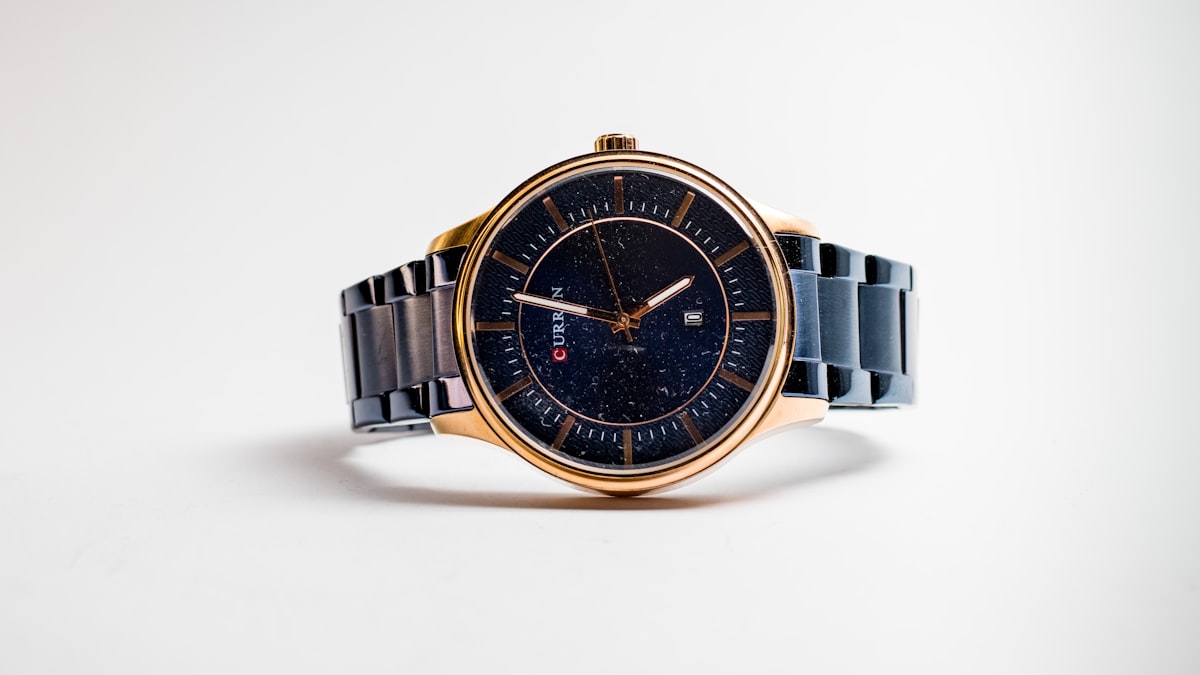
    Japan makes some of the world’s best-loved watches — from affordable icons to serious horology. Buying in Japan can mean great selection and tax-free savings. Here’s the guide.

    The big Japanese brands

    • Seiko — from the budget-hero Seiko 5 to divers and the higher-end Presage and Prospex lines.
    • Grand Seiko — Seiko’s luxury arm, prized for finishing and the Spring Drive movement.
    • Citizen — famous for Eco-Drive (light-powered) watches; great value.
    • Casio & G-Shock — indestructible everyday and tough watches; cult favorites.
    • Orient — well-loved affordable mechanicals.

    What to buy in Japan

    • Domestic-only (JDM) models — some references are sold only in Japan.
    • Seiko 5 & G-Shock — often cheaper here, with wide selection.
    • Grand Seiko — see the range in person at boutiques and department stores.

    Where to buy

    • Yodobashi & Bic Camera — huge selection, tax-free, English support; see our electronics guide.
    • Department stores for Grand Seiko and premium lines.
    • Don Quijote for cheap Casio/G-Shock — see the Donki guide.
    • Secondhand shops for vintage deals — see secondhand shopping.

    Save money

    • Bring your passport for tax-free shopping — watches are a great tax-free buy.
    • Compare prices between big electronics stores.
    • Check international warranty if it matters to you.

    Tips

    What Japanese watches typically cost

    • Seiko 5 automatics start around JPY 20,000-35,000, often 20-30% cheaper in Japan than equivalent export models sold overseas.
    • G-Shock models run JPY 8,000-25,000 for most of the lineup, with Japan-only colorways and collaborations sometimes commanding resale premiums once discontinued.
    • Grand Seiko starts around JPY 300,000-400,000 for entry mechanical models and climbs well into the millions of yen for high complications — department store boutiques let you compare the full range in person before committing.

    Common mistakes to avoid

    • Assuming every Seiko or Citizen model sold in Japan is available with international warranty — some domestic-market watches carry Japan-only warranty coverage; ask specifically if this matters to you before buying a JDM-exclusive reference.
    • Not comparing prices between Yodobashi/Bic Camera and department store boutiques — electronics megastores often discount mainstream Seiko and Citizen lines more aggressively than a dedicated watch counter, while Grand Seiko pricing tends to be fixed everywhere.
    • Buying a mechanical watch without asking about accuracy specs — entry mechanical movements can run several seconds off per day, which is normal, but some buyers are surprised if they expected quartz-level precision.

    Hunting for JDM-exclusive references

    Some of the most interesting Seiko and Citizen references never get an export version — checking a few Japan-specific watch enthusiast resources before your trip can help you recognize a genuinely exclusive piece on a store shelf rather than assuming everything sold in Japan is also sold abroad under a different name.

    Buying as a special-occasion gift

    A watch is one of the few souvenirs that gains meaning with age rather than losing it, making it a popular choice for milestone trips — engraving services are sometimes available at department store counters for an added fee, worth asking about if you want to personalize a Seiko or Citizen purchase for someone back home.

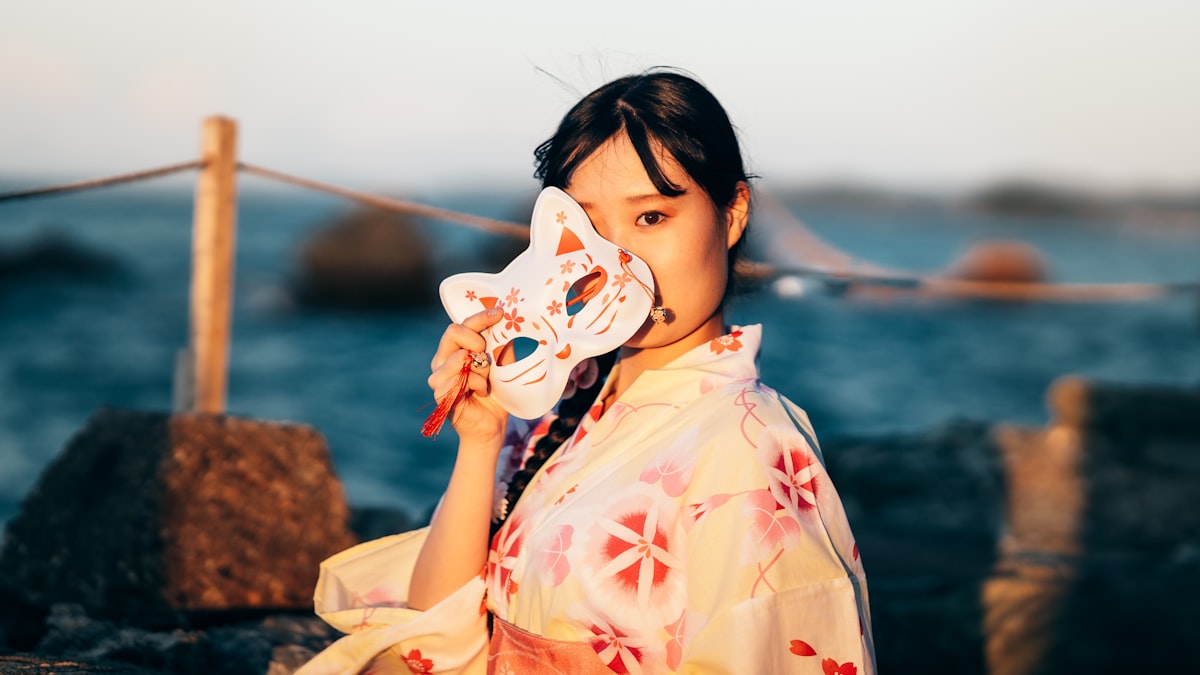
  • Kimono & Yukata: Rent, Buy & What to Know

    Kimono & Yukata: Rent, Buy & What to Know

    Some links below are affiliate links. If you buy through them, Japan Trove may earn a small commission at no extra cost to you.

    A kimono or yukata makes a beautiful souvenir — and wearing one is a highlight for many visitors. Here’s the difference, whether to rent or buy, and how to shop smart.

    Kimono vs yukata

    • Kimono — the formal, lined robe worn year-round; more layers, more expensive, more involved to wear.
    • Yukata — a light, casual cotton kimono for summer and festivals (and onsen towns). Cheaper and easy to wear — the best pick for most travelers.

    Rent or buy?

    • Rent for the experience — rental shops in Kyoto, Asakusa, and Kanazawa dress you and style your hair, perfect for strolling and photos.
    • Buy a yukata as a wearable souvenir — affordable, packs flat, and easy to wear at home.
    • Buy a quality kimono if you want a keepsake; vintage kimono are gorgeous and often inexpensive secondhand.

    What you need to wear one

    A yukata set typically includes the robe, an obi (sash), and often geta (wooden sandals). For kimono you’ll also want the under-layers and accessories — rental shops handle all of this for you.

    Where to buy

    • Department stores & specialty shops for new pieces; bring your passport for tax-free.
    • Vintage & secondhand — see our secondhand shopping guide for beautiful, affordable used kimono.
    • Don Quijote and tourist areas for cheap yukata; see the Donki guide.
    • From abroad: yukata and accessories on Amazon , or a proxy service for vintage finds.

    Tips

    • Rent early in the day and book ahead in peak seasons like cherry blossom time.
    • Left side over right when wrapping — right over left is only for the deceased.
    • A yukata is a lovely, lightweight gift too.

    What rental and purchase typically cost

    • A basic yukata rental runs JPY 3,000-5,000 for a half-day including simple hair styling; premium kimono rental packages with full hair and makeup run JPY 8,000-20,000.
    • A new yukata set (robe, obi, sandals) bought to take home runs JPY 5,000-15,000 depending on fabric quality, while a basic printed cotton yukata from Don Quijote can be found for JPY 3,000-4,000.
    • Vintage silk kimono at secondhand shops often sell for JPY 2,000-10,000, a fraction of new formal kimono prices which can run into the hundreds of thousands of yen for high-quality silk.

    Common mistakes to avoid

    • Booking a rental for late afternoon — most shops require return by early evening (often 6-7pm), so a late-morning or early-afternoon booking gives you the most time to actually wear and enjoy it.
    • Wrapping the robe right-over-left — this is reserved specifically for dressing the deceased; left-over-right is the correct, everyday wrap, and rental shop staff will always double check this for you if you’re dressing yourself.
    • Choosing uncomfortable geta sandals without trying a short walk first — they take some getting used to; ask staff for a slightly looser fit if you plan to walk for hours rather than just take photos.

    Where the experience feels most authentic

    Renting in a neighborhood with matching architecture — Kyoto’s Higashiyama lanes or Kanazawa’s Higashi Chaya district — makes for far better photos and a more immersive feel than wearing a kimono against a modern city backdrop; many rental shops in these areas are positioned specifically for this reason.

    Caring for a purchased piece afterward

    Silk kimono require dry cleaning by a specialist familiar with the fabric and construction, not a standard home wash — if you buy a quality piece rather than a simple cotton yukata, ask the shop for basic care instructions, since improper washing can permanently damage the fabric and structure.

  • Japanese Fashion Brands Worth Knowing (and Where to Buy)

    Japanese Fashion Brands Worth Knowing (and Where to Buy)

    Some links below are affiliate links. If you buy through them, Japan Trove may earn a small commission at no extra cost to you.

    Japanese fashion spans everything from perfect everyday basics to avant-garde design and world-famous denim. Whether you’re shopping in Japan or from abroad, here are the brands and categories worth knowing.

    Everyday essentials

    • Uniqlo — affordable, high-quality basics and clever fabrics; see our Uniqlo vs Muji comparison.
    • Muji — minimalist, no-logo staples and lifestyle goods.
    • GU — Uniqlo’s trend-focused, budget sister brand.

    Premium & designer

    • Comme des Garçons, Yohji Yamamoto, Issey Miyake — Japan’s legendary avant-garde designers.
    • Sacai, Undercover, Kapital — beloved contemporary labels with cult followings.
    • Beams & United Arrows — influential select shops carrying their own lines and others.

    Denim & workwear

    Japan is the global capital of premium selvedge denim. Brands like Momotaro, Iron Heart, Studio D’Artisan, and Full Count are prized worldwide for their craftsmanship. Okayama (Kojima) is the denim heartland if you’re a serious fan.

    Streetwear & vintage

    • Streetwear: the birthplace of many iconic labels; explore Harajuku and Ura-Hara.
    • Vintage: Shimokitazawa and Koenji in Tokyo are treasure troves; see our Tokyo guide.

    Where to buy

    In Japan: department stores, select shops, and neighborhood boutiques (tax-free for tourists — bring your passport). From abroad: YesStyle and Amazon carry many pieces; for Japan-only items and vintage, use a proxy service like Buyee or ZenMarket.

    Pair your wardrobe finds with other great things to buy in Japan.

    What things typically cost

    • Uniqlo and GU basics run JPY 990-4,990 per piece, genuinely cheaper in Japan than most overseas Uniqlo locations, making it worth restocking wardrobe basics during a trip rather than waiting to buy at home.
    • Contemporary designer pieces (Sacai, Undercover, Kapital) run JPY 20,000-80,000+ per item, priced in line with international designer fashion, while select shops like Beams and United Arrows carry a wider range from accessible to premium within the same store.
    • Vintage and secondhand fashion in Shimokitazawa and Koenji runs JPY 1,000-10,000 depending on the piece and brand, often the best value category for genuinely unique finds.

    Common mistakes to avoid

    • Assuming Japanese sizing matches Western sizing — sizing runs smaller on average across most Japanese brands, including Uniqlo; trying on before buying, or checking size charts carefully for online-style browsing in-store, avoids a common fit disappointment.
    • Skipping select shops (Beams, United Arrows) in favor of only single-brand stores — these multi-brand shops are excellent for discovering newer or smaller Japanese labels you wouldn’t otherwise know to look for by name.
    • Not budgeting separately for denim — premium selvedge denim is priced as its own investment category (often JPY 20,000-50,000+) and easy to underestimate if you’re mentally budgeting fashion purchases at Uniqlo-level prices.

    Building a Japan-specific wardrobe haul

    A well-rounded trip haul often mixes categories rather than sticking to one — a few Uniqlo basics for practical value, one splurge designer or denim piece as a lasting investment, and a vintage find or two for something genuinely unique that won’t be sitting on a rack back home.

    Shopping districts for each category

    Harajuku and Ura-Hara suit streetwear and youth fashion hunting, Ginza and Omotesando suit designer and luxury browsing, and Shimokitazawa or Koenji suit vintage digging — picking the right neighborhood for your specific fashion interest saves a lot of time compared to wandering a single district hoping to find everything in one place.

  • Uniqlo vs Muji: What’s Actually Worth Buying in Japan

    Uniqlo vs Muji: What’s Actually Worth Buying in Japan

    Some links below are affiliate links. If you buy through them, Japan Trove may earn a small commission at no extra cost to you.

    Uniqlo and Muji are two of Japan’s most beloved exports, and both are cheaper and more complete in Japan than abroad. But they’re not the same — here’s what each does best and what’s actually worth buying on your trip.

    The quick difference

    • Uniqlo — affordable, high-quality basics and clever performance fabrics. Think wardrobe staples.
    • Muji — minimalist lifestyle: homeware, stationery, storage, snacks, skincare, and simple clothing.

    What to buy at Uniqlo

    • Heattech base layers — perfect for a winter trip and packing light.
    • AIRism for hot, humid summers.
    • Ultra Light Down — packs into a pouch; a traveler’s favorite.
    • UT graphic tees — Japan-exclusive anime and art collabs make great souvenirs.

    What to buy at Muji

    • Stationery & pens — simple and excellent; see our stationery guide.
    • Travel organizers & toiletry bottles — genuinely useful.
    • Snacks — the baumkuchen and rice crackers are cult favorites.
    • Skincare & aroma — affordable, fragrance-free basics and essential-oil diffusers.

    Why buy in Japan?

    Both chains are larger, cheaper, and better-stocked in Japan, with Japan-only items and tax-free shopping for tourists (bring your passport). Flagship stores (like Ginza) are worth a visit in their own right.

    Can’t get to Japan?

    Both ship in many countries, and you’ll find some items on Amazon . For Japan-only pieces, a proxy service works well. Pair your haul with picks from our best gifts from Japan.

    What things typically cost

    • Uniqlo basics run JPY 990-4,990, with Heattech and AIRism lines at the lower end of that range and Ultra Light Down jackets at the higher end — both categories are genuinely cheaper in Japan than most overseas Uniqlo branches.
    • Muji clothing and homeware run JPY 500-5,000 depending on category, with stationery and small storage items at the affordable end and clothing basics in the middle.
    • UT graphic tees (Uniqlo’s collaboration line) run JPY 1,500-2,500 and frequently feature Japan-exclusive anime, art, or franchise collaborations not sold in the same form overseas.

    Common mistakes to avoid

    • Assuming both brands overlap more than they do — Uniqlo is almost entirely clothing-focused while Muji covers a much broader lifestyle range; deciding which category (wardrobe vs. home/travel goods) you actually need saves time picking the right store first.
    • Skipping flagship stores for a specific limited item — UT collaboration designs and certain Muji seasonal goods are sometimes flagship-exclusive or sell out faster at smaller branches; a large store like Ginza’s often has better stock depth.
    • Not checking sizing before buying multiple pieces — both brands run closer to Japanese/Asian sizing standards, which can differ from Western size charts; trying one piece on first before buying several in the same size is worth the extra few minutes.

    Which to prioritize with limited time

    If you only have time for one store, choose based on your actual need: Uniqlo for wardrobe basics and travel-specific fabric technology (Heattech, AIRism), or Muji if you want lightweight travel goods, stationery, and snacks alongside simple clothing — most travelers find they genuinely want something from both rather than one covering all needs.

    Using Uniqlo pieces to pack lighter

    Heattech and AIRism layers specifically let you pack fewer, thinner items and rely on layering rather than bulky sweaters or jackets — a genuinely practical strategy for travelers trying to fit a multi-season Japan trip into a single carry-on, buying the appropriate layer locally rather than hauling heavier gear from home.