Japan Trove

Category: Culture & Seasons

Etiquette, onsen, ryokan, seasons and cultural experiences to enjoy Japan like a local.

  • Shrines vs Temples in Japan: The Difference & Etiquette

    Shrines vs Temples in Japan: The Difference & Etiquette

    You’ll visit a lot of shrines and temples in Japan — but what’s the difference? Knowing helps you appreciate them and behave respectfully. Here’s a simple guide.

    The basic difference

    • Shrines (jinja) are Shinto — Japan’s indigenous religion of kami (spirits/gods). Look for a torii gate at the entrance.
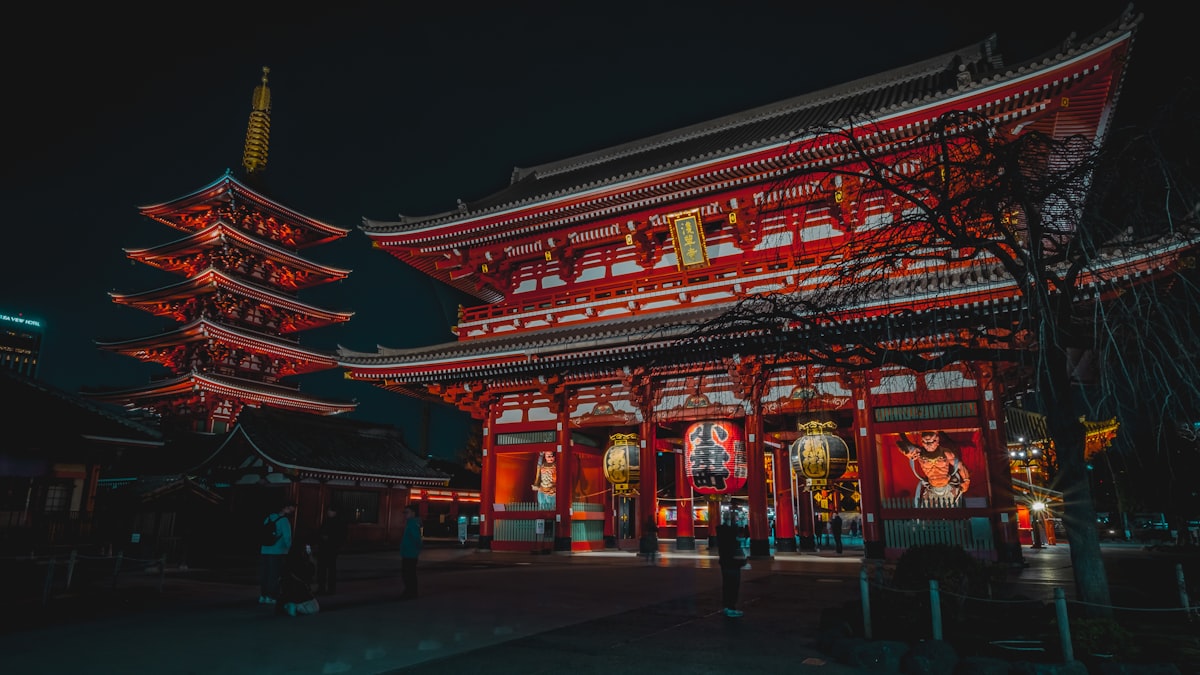
    • Temples (o-tera) are Buddhist. Look for a large gate with guardian statues, an incense burner, and often a pagoda.

    Many sites blend both, and most Japanese people take part in each — Shinto for life events and New Year, Buddhism for funerals.

    How to visit a shrine

    1. Bow slightly at the torii; walk to the side, not the center (reserved for the kami).
    2. Purify at the water basin (temizuya): rinse left hand, right hand, then mouth.
    3. At the hall: toss a coin, bow twice, clap twice, pray, bow once.

    How to visit a temple

    1. Bow at the gate.
    2. Optionally waft incense smoke over yourself for good health.
    3. At the hall: toss a coin, bow, pray quietly (no clapping), bow.

    Good to know

    • Omamori (charms) and goshuin (stamp-book seals) make meaningful souvenirs.
    • Photography is often fine outside but restricted inside halls — check signs.
    • Dress and behave modestly. More in our etiquette guide.

    See famous examples in Kyoto, Asakusa, and Nikko.

  • Japanese Festivals (Matsuri): A Season-by-Season Guide

    Japanese Festivals (Matsuri): A Season-by-Season Guide

    Japan’s festivals (matsuri) are among the best reasons to time a trip — fireworks, portable shrines, lantern-lit nights, and food stalls galore. Here’s a guide to the big ones and how to enjoy them.

    Famous festivals by season

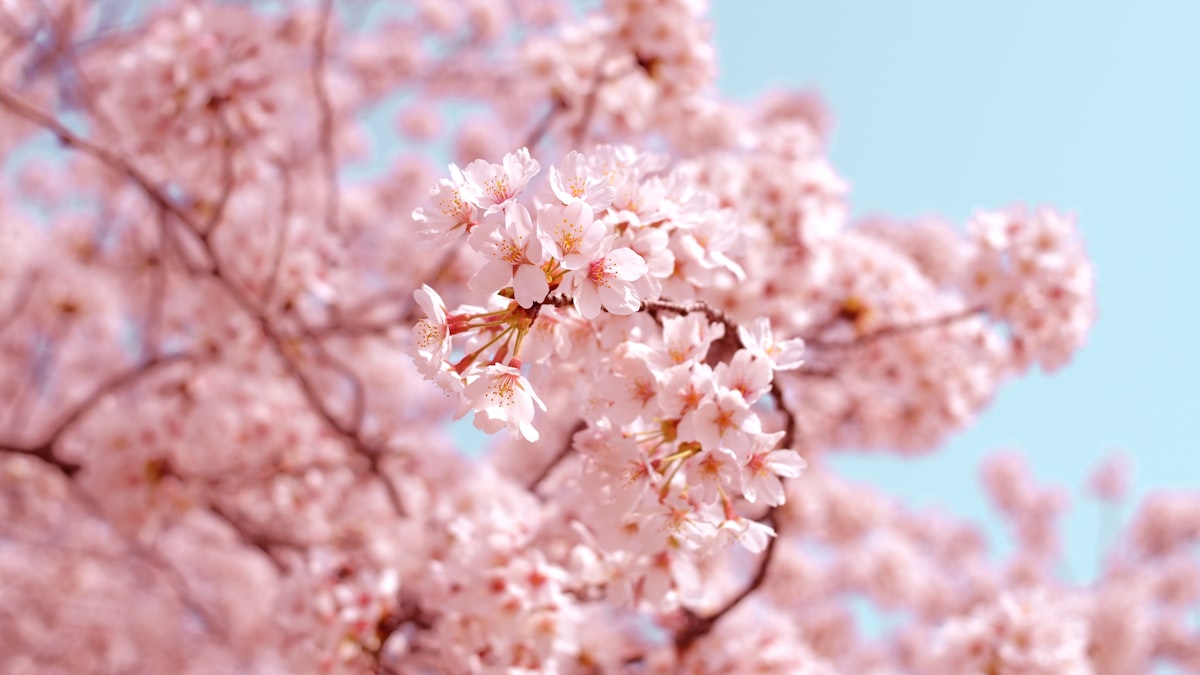
    • Spring: cherry-blossom hanami parties everywhere — see our cherry blossom guide; Takayama Spring Festival.
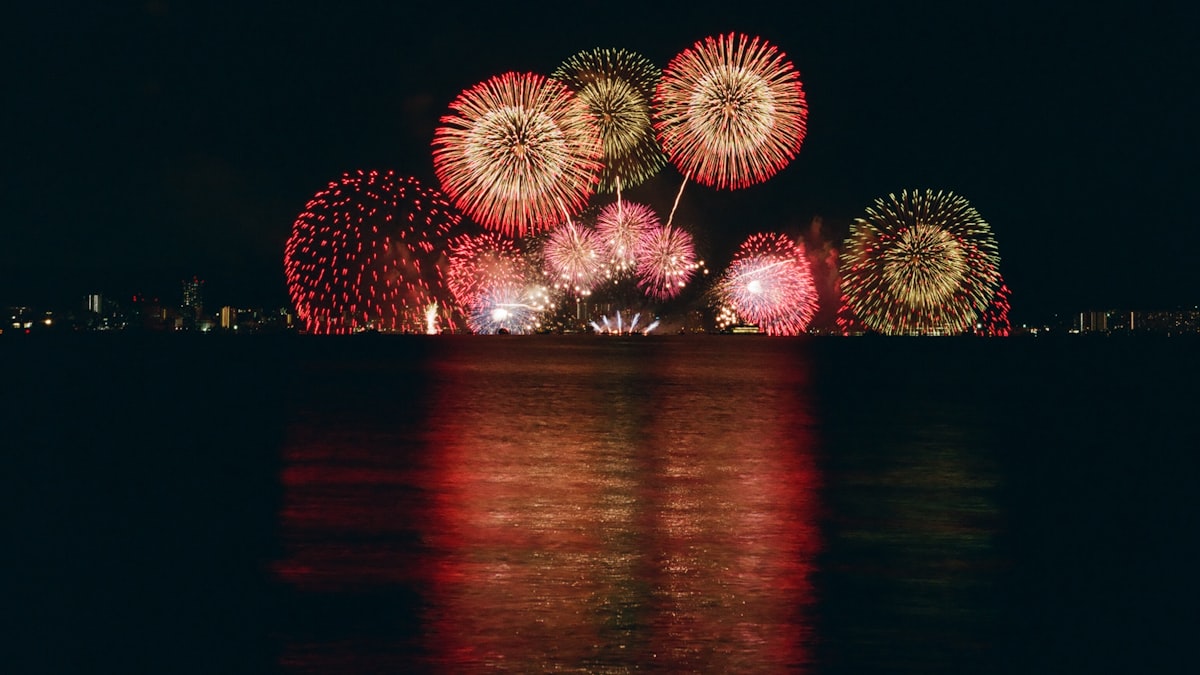
    • Summer: the big season — Gion Matsuri (Kyoto), Tenjin Matsuri (Osaka), Nebuta (Aomori), and countless fireworks (hanabi) festivals.
    • Autumn: Takayama Autumn Festival and harvest matsuri amid the fall foliage.
    • Winter: the Sapporo Snow Festival and atmospheric New Year shrine visits (hatsumode).

    What to expect

    • Mikoshi — portable shrines carried through the streets by chanting crowds.
    • Yatai food stalls — takoyaki, yakisoba, candied apples, shaved ice.
    • Yukata — locals dress up; you can too (see our yukata guide).

    Tips for enjoying matsuri

    • Arrive early for fireworks — the best spots and trains fill fast.
    • Carry cash for stalls; expect big crowds and limited transport after.
    • Check exact dates each year — many are fixed to specific days, not weekends.
    • Mind your manners in the crush — see our etiquette guide.

    Time a festival into your itinerary and check the best time to visit.

  • Japanese Toilets Explained: Washlets, Buttons & Squat

    Japanese Toilets Explained: Washlets, Buttons & Squat

    Japanese toilets are a genuine travel highlight — heated seats, bidets, and buttons galore. But they can baffle first-timers. Here’s your friendly guide to Japan’s famous washlets (and the occasional squat toilet).

    The high-tech washlet

    Many toilets are washlets with a control panel of buttons. The essentials:

    • Flush — look for 大 (big/large) and 小 (small) for full or light flush. It may be a lever, a wall panel, or a sensor — not always on the seat panel.
    • Bidet buttons — おしり (rear wash) and ビデ (front wash); often with pressure/position controls.
    • Stop — 止 (stop) ends the spray. This is the button you’ll want to find first.
    • Heated seat, dryer, and deodorizer on fancier models.

    The “privacy sound” button

    A button labeled 音 (sound) or a musical note plays a flushing sound to mask any noise — a beloved feature (especially in women’s restrooms, sometimes as an automatic sensor called Otohime).

    Squat toilets (still around)

    Older stations, parks, and rural spots may have squat toilets. Face the hood/flush end, feet either side, and squat. Carry tissues — some don’t have paper.

    Good to know

    • Carry a small pack of tissues (often handed out free on the street) and a hand towel — some restrooms lack paper towels.
    • Public toilets are widespread, clean, and free — konbini, stations, and department stores are reliable.
    • Don’t flush anything but paper; sanitary bins are provided.
    • Toilet slippers exist in homes and ryokan — swap into them and back out. See our etiquette guide.

    Want one at home?

    Washlet seats are a popular souvenir/purchase — check voltage compatibility first; see our electronics buying guide. First trip? Read first-timer tips.

  • Japan in Winter: Snow, Onsen, Skiing & What to Pack

    Japan in Winter: Snow, Onsen, Skiing & What to Pack

    Some links below are affiliate links. If you book through them, Japan Trove may earn a small commission at no extra cost to you.

    Winter is one of Japan’s most magical (and underrated) seasons — world-class powder snow, steaming hot springs, illuminations, and far fewer crowds. Here’s what to do and know.

    Why visit in winter

    • Powder skiing — some of the best snow on earth.
    • Onsen in the snow — soaking outdoors while it snows is unforgettable; see best onsen towns.
    • Winter illuminations light up cities from November through February.
    • Fewer crowds & clear Fuji views — see how to see Mt. Fuji.

    Where to go

    • Hokkaido — Niseko’s powder, the Sapporo Snow Festival, and seafood; see things to do in Hokkaido.
    • Nagano & the Japan Alps — skiing plus the famous snow monkeys.
    • Shirakawa-go — thatched farmhouses under snow; see Takayama & Shirakawa-go.
    • Tokyo & Kyoto — cold but usually snow-light, great for illuminations and quiet temples.

    Skiing basics

    • Season runs roughly December to March/April; January–February is peak powder.
    • Resorts rent gear and offer English lessons — easy for beginners.
    • Book snow-season accommodation early — compare on Booking.com .

    What to pack

    Good to know

    • New Year (Dec 29–Jan 3) brings closures and busy travel — plan around it.
    • Northern regions get serious snow; check transport in bad weather.
    • Use luggage forwarding to send ski gear or bags ahead.
  • Autumn Leaves in Japan: When & Where to See Koyo

    Autumn Leaves in Japan: When & Where to See Koyo

    Japan’s autumn foliage (koyo) rivals its cherry blossoms — fiery maples, golden ginkgo, and temples framed in red. Here’s when and where to catch the colors.

    When does it happen?

    • Hokkaido: from mid/late September.
    • Tokyo, Kyoto & central Japan: mid-November to early December (peak).
    • Southern Japan: late November into December.

    Colors move north-to-south and high-to-low elevation. Follow the annual koyo forecast as your trip nears — timing shifts each year with the weather. See best time to visit.

    Best places for autumn colors

    • Kyoto — temples like Tofuku-ji, Eikan-do, and Arashiyama are stunning; see Kyoto guide.
    • Nikko — mountains, waterfalls, and shrines north of Tokyo.
    • Hakone & Mt. Fuji area — colors with Fuji views.
    • Kamikochi & the Japan Alps — alpine autumn near Takayama.
    • Tokyo — Rikugien and the Meiji Jingu Gaien ginkgo avenue.

    Don’t-miss experiences

    • Evening light-ups at Kyoto temples — magical after dark.
    • Momiji-gari (maple viewing) walks and mountain ropeways.
    • Seasonal sweets and chestnut (kuri) treats.

    Planning tips

    • Autumn is peak season — book hotels and a ryokan early.
    • Weekends at famous temples get crowded; go early morning.
    • Bring layers — mountain mornings are cold. Check the packing list.

    Prefer pink? Compare with our cherry blossom guide, and slot autumn into the 7-day itinerary.

  • Ryokan Guide: Staying at a Traditional Japanese Inn

    Ryokan Guide: Staying at a Traditional Japanese Inn

    Some links below are affiliate links. If you book through them, Japan Trove may earn a small commission at no extra cost to you.

    Staying at a ryokan — a traditional Japanese inn — is one of the most memorable things you can do in Japan. Here’s what to expect and how to choose one.

    What is a ryokan?

    A ryokan is a traditional inn with tatami-mat rooms, futon bedding, communal or private hot-spring baths, and often exquisite multi-course meals. It’s less a hotel than a full cultural experience — hospitality (omotenashi) is the whole point.

    What’s usually included

    • Kaiseki dinner — a seasonal multi-course feast, often served in your room or a private dining space.
    • Breakfast — a traditional Japanese spread (grilled fish, rice, miso, pickles).
    • Onsen access — public baths and sometimes private ones. Tattooed? See our tattoo & onsen guide.
    • Yukata — a cotton robe to wear around the inn.

    Ryokan etiquette

    • Remove shoes at the entrance; wear the provided slippers (and separate toilet slippers).
    • Wash thoroughly before entering the shared bath; no swimsuits.
    • Meals and baths often run on a schedule — check times at check-in.
    • More in our etiquette guide.

    How much does it cost?

    Ryokan are typically priced per person, including dinner and breakfast — often 15,000–40,000+ yen per person. Luxury ryokan go far higher; simpler ones and minshuku (family-run) are cheaper. See our Japan budget guide.

    Where to stay in one

    • Onsen towns like Hakone, Kinosaki, and Beppu — see best onsen towns.
    • Kyoto for machiya-style inns; Takayama and Kanazawa for tradition.
    • Book early — good ryokan fill up. Compare on Booking.com and Agoda .

    Tips for first-timers

    • Book at least one ryokan night — it’s a highlight of any trip.
    • Arrive by mid-afternoon to enjoy the bath before dinner.
    • Pack light; use luggage forwarding to send big bags ahead.

    Weave a ryokan night into our 7-day itinerary.

  • Tattoos and Onsen: How to Enjoy Japan’s Hot Springs

    Tattoos and Onsen: How to Enjoy Japan’s Hot Springs

    Onsen (hot springs) are one of Japan’s great pleasures — but if you have tattoos, you’ve probably heard they can be a problem. Here’s the honest, up-to-date guide to soaking with ink.

    Why tattoos and onsen clash

    Historically, tattoos in Japan were associated with the yakuza (organized crime), so many bathhouses banned them to keep a family-friendly atmosphere. The rule is about appearances, not you personally — but it’s still widely enforced, especially at traditional public baths.

    Your options with tattoos

    • Tattoo-friendly onsen. A growing number welcome ink, especially in tourist areas. Look for “tattoo OK” / “tattoo friendly” listings before you go.
    • Cover-up patches. Small tattoos can be hidden with waterproof skin-tone stickers (sold online and at some pharmacies). Many baths allow entry if the tattoo is fully covered.
    • Private baths (kashikiri / family bath). The stress-free choice — rent a private bath by the hour, common at ryokan and onsen towns.
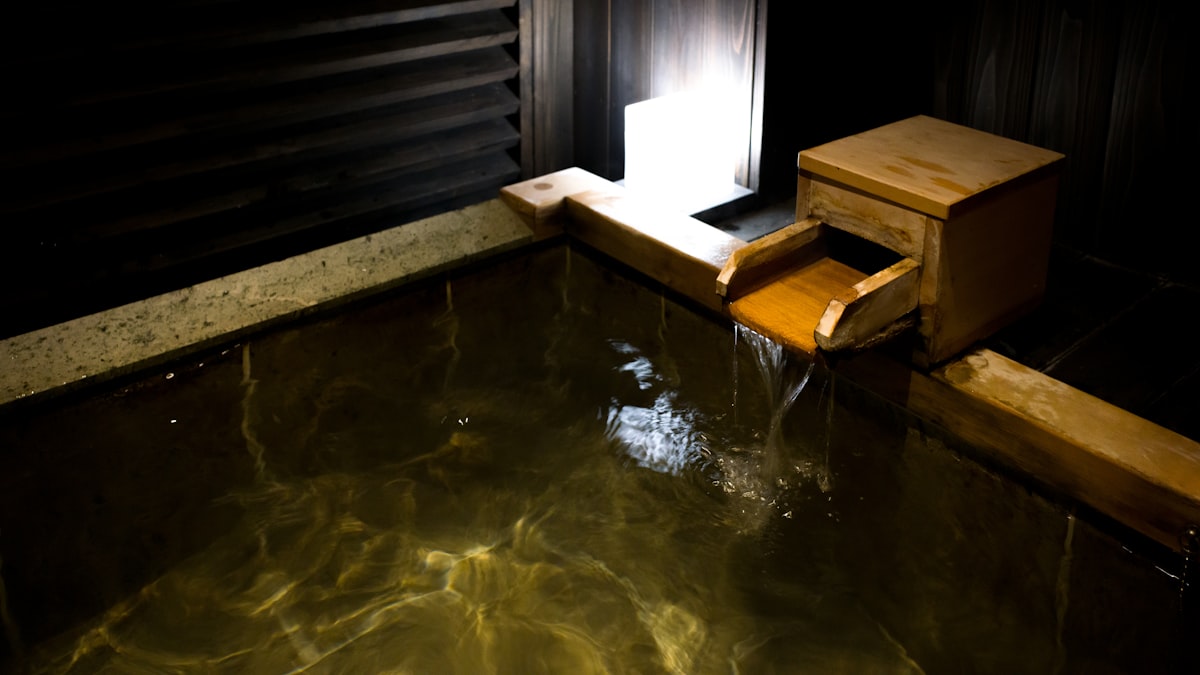
    • In-room onsen. Some ryokan rooms have a private open-air bath (rotenburo) — no rules, total privacy.

    Where it’s easiest

    Big resort areas like Hakone, Kinosaki, and Beppu have more tattoo-friendly and private options. See our guide to the best onsen towns in Japan to plan around private baths.

    Onsen etiquette (for everyone)

    • Wash and rinse thoroughly at the shower stations before entering the bath.
    • No swimsuits — you bathe nude. The small towel doesn’t go in the water.
    • Tie up long hair; keep voices low; no photos.

    New to Japanese customs? Pair this with our etiquette guide.

    Bottom line

    Tattoos don’t have to mean no onsen. Book a ryokan with a private bath, use a cover patch for small designs, or seek out tattoo-friendly spots — and you’ll still get that unforgettable soak. Make it part of a wider trip with our 7-day itinerary.

  • Solo Travel in Japan: Why It’s So Good & How to Do It

    Solo Travel in Japan: Why It’s So Good & How to Do It

    Some links below are affiliate links. If you book through them, Japan Trove may earn a small commission at no extra cost to you.

    Japan might be the best country in the world for solo travel: extremely safe, easy to navigate, and full of experiences that are just as good — sometimes better — on your own. Here’s how to make the most of a solo trip.

    Why Japan is perfect for solo travelers

    • Safety. Low crime and easy to walk around late; solo travelers, including women, generally feel very comfortable.
    • Solo-friendly by design. Counter seats at ramen and sushi bars, single hotel rooms, and vending machines everywhere.
    • Easy logistics. Great signage, reliable trains, and translation apps mean you rarely feel stuck.

    Where to stay solo

    • Business hotels — cheap, clean single rooms; ideal bases. Book via Booking.com .
    • Capsule hotels — a fun, budget-friendly only-in-Japan experience.
    • Hostels — great for meeting people if you want company.

    Eating alone (no problem here)

    Solo dining is completely normal. Look for counter seats, ticket-machine restaurants (buy a meal ticket, hand it over — no awkward ordering), ramen shops, and standing bars. Konbini and depachika food halls are your friends too.

    Things that shine solo

    • Quiet temple mornings in Kyoto.
    • Wandering neighborhoods at your own pace in Tokyo.
    • A reflective soak at an onsen town.

    Practical solo tips

    • Get an eSIM and an IC card so you’re self-sufficient.
    • Share your itinerary with someone at home and keep some cash on hand.
    • Learn a few Japanese phrases — locals appreciate the effort.

    New to the country? Combine this with our first-timer tips and 7-day itinerary.

  • Best Onsen Towns in Japan (and Onsen Etiquette)

    Best Onsen Towns in Japan (and Onsen Etiquette)

    Some links below are affiliate links. If you book through them, Japan Trove may earn a small commission at no extra cost to you.

    Soaking in an onsen (hot spring) is one of Japan’s great pleasures — and staying overnight in an onsen town, with a ryokan dinner and a soak under the stars, is unforgettable. Here are the best onsen towns and how to enjoy them.

    Top onsen towns

    • Hakone — easiest from Tokyo, with Mt. Fuji views; see our day trips guide (great overnight too).
    • Kinosaki — a storybook town where you stroll between seven public baths in a yukata.
    • Kusatsu — one of Japan’s most famous hot-spring resorts, with a dramatic steaming water field.
    • Beppu & Yufuin (Kyushu) — a hot-spring wonderland and a chic, arty retreat side by side.
    • Nyuto Onsen (Tohoku) — remote, rustic milky baths deep in the mountains.

    Onsen etiquette (important)

    • Wash thoroughly at the shower stations before entering the bath.
    • No swimsuits — you bathe undressed; baths are usually gender-separated.
    • Keep the small towel out of the water (rest it on your head or the side).
    • Tie up long hair and don’t put it in the water.
    • Tattoos can be restricted at some baths — look for tattoo-friendly onsen or private (kashikiri) baths; a ryokan room with a private bath sidesteps the issue.

    Staying overnight

    The magic is a ryokan with a kaiseki dinner and your own or a shared onsen. Book early, especially in autumn and winter — filter for onsen ryokan on Booking.com and Agoda .

    When to go

    Onsen are wonderful year-round, but a snowy outdoor bath in winter is peak Japan. See our best time to visit guide, and slot an onsen night into your itinerary.

  • Japan with Kids: A Family Travel Guide

    Japan with Kids: A Family Travel Guide

    Some links below are affiliate links. If you book through them, Japan Trove may earn a small commission at no extra cost to you.

    Japan is one of the easiest and most rewarding countries to visit with kids: safe, clean, endlessly novel, and full of things children love. Here’s how to plan a family trip that works for everyone.

    Why Japan is great for families

    • Safety and cleanliness are exceptional; kids can have a lot of freedom.
    • Trains are a highlight in themselves — the Shinkansen thrills most kids.
    • Convenience stores and vending machines mean snacks and drinks are always close.
    • Novelty everywhere — from robot cafés to character shops.

    Kid-friendly highlights

    • Tokyo: teamLab digital art, Ueno Zoo, character stores in Harajuku, and the Ghibli Museum (book far ahead).
    • Osaka: Universal Studios Japan, the Aquarium (Kaiyukan), and easygoing street food in Dotonbori.
    • Nara: the friendly bowing deer are a guaranteed hit — see our Nara day trip.
    • Anywhere: Pokémon Centers and Nintendo/character shops — see where to buy Pokémon merch.

    Practical tips

    • Pack light and use luggage forwarding (takkyubin) between hotels — much easier with kids.
    • Family rooms and rooms for 3–4 fill up fast; book early via Booking.com .
    • Strollers: stations have elevators but they can be a hunt; a compact stroller or carrier helps.
    • Baby supplies — diapers, formula, and food are easy to buy at drugstores and konbini.
    • Slow down. Fewer stops, more time; build in park and playground breaks.

    Getting around

    Kids often ride trains cheaply or free depending on age. Grab an IC card each for easy tapping, and check the JR Pass math for your route. Then build your days with the 7-day itinerary.