Loft and Tokyu Hands (now “Hands”) are Japan’s beloved variety/lifestyle stores — floors of clever gadgets, stationery, beauty, travel goods, and quirky finds. They’re souvenir goldmines. Here’s what to look for.
What are Loft & Hands?
Both are multi-floor “variety stores” packed with well-designed everyday goods — think a curated, mid-range step up from a 100-yen shop. Loft leans stationery, beauty, and lifestyle; Hands leans DIY, tools, travel, and hobby — but they overlap a lot.
Best things to buy
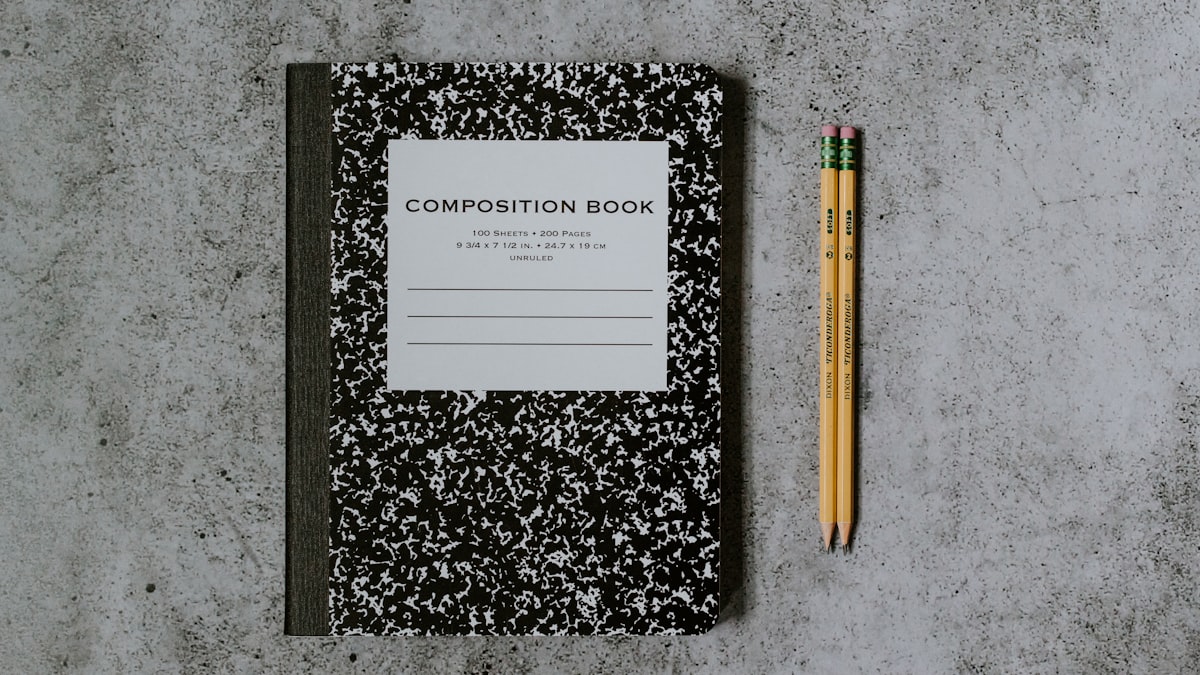
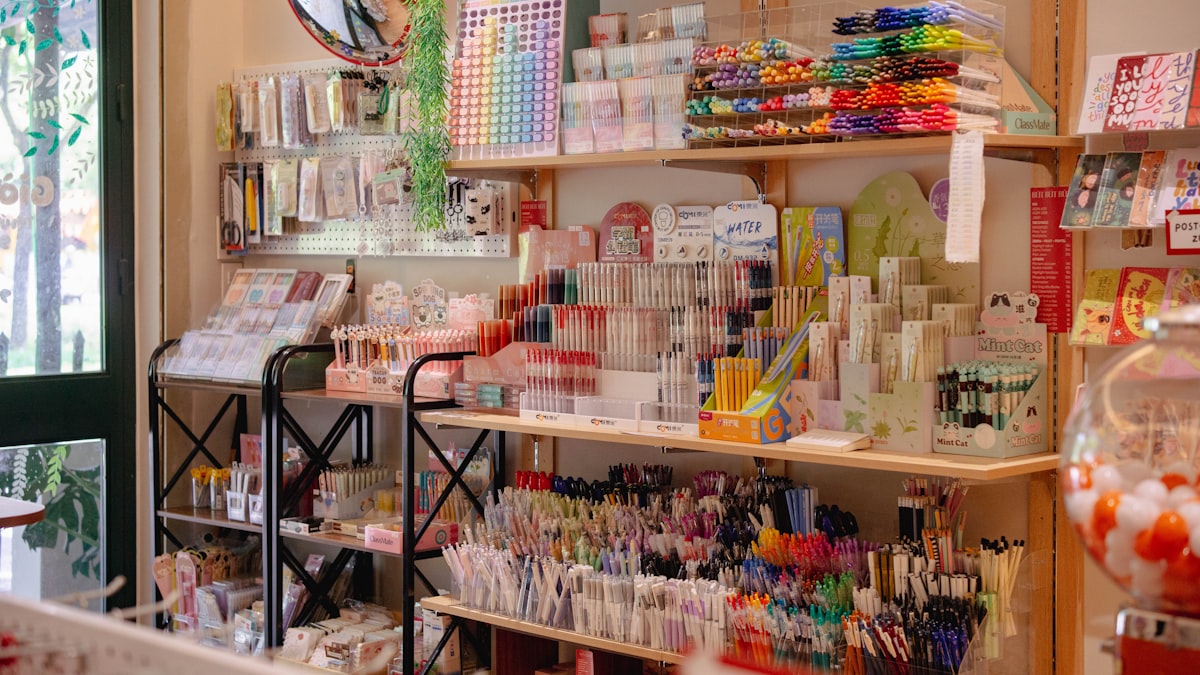
- Stationery — pens, planners, and washi tape galore; see Japanese stationery.
- Beauty & self-care — tools, masks, and gadgets; see beauty tools.
- Travel goods — packing organizers, compact umbrellas, gadgets.
- Kitchen & home gadgets — clever tools that make great gifts.
- Quirky novelties — the “only in Japan” section is a rabbit hole.
Where to find them
- Flagship and large branches in Shibuya, Shinjuku, Ginza, and major cities — often in or near stations and malls.
Shopping tips
- Bring your passport for tax-free over the threshold.
- Great one-stop shops for practical, giftable souvenirs that pack flat.
- Cheaper basics? Compare with 100-yen shops and Muji; for rock-bottom prices try Don Quijote.
A relaxed hour here yields half your souvenir list. More in our best gifts from Japan guide.
What things typically cost
- Most Loft and Hands items run JPY 300-2,000, with the sweet spot for gift shopping around JPY 500-1,200 for stationery, beauty tools, or small kitchen gadgets.
- Both stores skew slightly pricier than Daiso but noticeably cheaper than department store equivalents — a genuine middle ground worth browsing before deciding where to spend on a specific item.
- Flagship branches (Shibuya Loft, Shinjuku Hands) are large enough that a thorough browse takes 45-90 minutes if you’re actually reading labels and comparing options rather than skimming.
Common mistakes to avoid
- Assuming Loft and Hands stock the same things — Loft leans more toward beauty, stationery, and lifestyle goods, while Hands leans toward DIY, hobby, and outdoor gear; if you’re hunting for something specific, check which one is more likely to carry it before wasting time in the wrong store.
- Not comparing prices with Daiso or Muji before buying basics — some overlapping items (simple stationery, storage boxes) are genuinely cheaper at 100-yen shops, while Loft/Hands wins on more unique or higher-quality gadgets.
- Skipping the seasonal sections — both chains rotate limited seasonal goods (sakura-themed items in spring, Halloween novelties in autumn) that disappear once the season ends.
Building a souvenir haul efficiently
A single hour at a large Loft or Hands branch can realistically cover half a gift list — stationery for coworkers, a beauty gadget for a friend, and a quirky novelty item for yourself. Pair the visit with a nearby 100-yen shop stop for the cheaper basics to round out the list without overspending on everything.
Tax-free thresholds in practice
Since individual items tend to be inexpensive, reaching the tax-free minimum purchase threshold in one visit is easier if you consolidate a full shopping list into a single transaction rather than making several smaller purchases across return visits — ask staff about the current threshold, since it can change, and always bring your passport in case you cross it unexpectedly.