Japan Trove

Category: Food & Dining

What and where to eat in Japan, from must-try dishes to konbini and dining etiquette.

  • Do You Tip in Japan? Tipping Etiquette Explained

    Do You Tip in Japan? Tipping Etiquette Explained

    Short answer: no, you don’t tip in Japan — and trying to can cause confusion. Here’s exactly how it works so you’re never caught out.

    The rule

    Tipping is not part of Japanese culture. Good service is the standard and is already included in the price. Leaving extra cash at a restaurant, taxi, or hotel can genuinely confuse staff — someone may even chase after you to return the “forgotten” money.

    Situations travelers ask about

    • Restaurants & bars — no tip. Just pay the bill (often at a front register).
    • Taxis — no tip; round-ups aren’t expected. Doors open automatically — don’t touch them.
    • Hotels — no tip for standard service. A high-end ryokan may have a service charge already on the bill.
    • Tour guides — the one gray area; a private guide may accept a thank-you gift, but it’s not required.

    Service charges vs tips

    Some upscale restaurants, hotels, and izakaya add a service charge or a small otoshi (seating appetizer) to the bill. That’s not a tip you add — it’s already itemized.

    How to show appreciation instead

    • A sincere “gochisousama deshita” (thank you for the meal) or “arigatou gozaimasu.”
    • If you truly want to give a gift to a guide, present cash in an envelope with both hands — never loose bills.
    • Learn a few phrases — see our phrases guide.

    Bottom line

    Skip the tip, pay the exact bill, and say thanks — that’s perfect. More do’s and don’ts in our etiquette guide, money in Japan, and common travel mistakes.

  • Tsukiji vs Toyosu: Tokyo’s Fish Markets & Best Sushi

    Tsukiji vs Toyosu: Tokyo’s Fish Markets & Best Sushi

    Tokyo’s fish markets are a foodie pilgrimage — but there’s confusion about Tsukiji vs Toyosu since the big move. Here’s the clear guide to visiting both, and eating the best sushi breakfast of your life.

    Tsukiji vs Toyosu — what changed

    • Toyosu Market — the wholesale market (and famous tuna auction) relocated here. This is where the big trading and the auction viewing now happen.
    • Tsukiji Outer Market — the beloved street of food stalls, knife shops, and restaurants stayed in Tsukiji and is still thriving. This is the easy, fun one for most visitors.

    Tsukiji Outer Market (easiest)

    • Wander stalls selling fresh sushi, grilled seafood, tamagoyaki, and street snacks.
    • Buy Japanese kitchen knives and kitchenware.
    • Go early morning — many stalls wind down by early afternoon; some close Sundays/Wednesdays.

    Toyosu Market (the auction)

    • View the tuna auction from observation decks (early morning; advance registration may be required for the closest viewing).
    • Excellent sushi restaurants inside — expect queues for the famous ones.
    • It’s more sterile/modern than old Tsukiji, but it’s the real working market.

    Eating tips

    • Come hungry and early — a sushi or seafood-don breakfast here is unforgettable. More in must-try Japanese food.
    • Carry cash; many small stalls don’t take cards — see money in Japan.
    • Be respectful: it’s a working market — don’t block carts or touch produce.

    Getting there

    Tsukiji is central (Tsukiji/Tsukijishijo stations); Toyosu is on the Yurikamome line. Grab an IC card and add it to your Tokyo plan.

  • Must-Try Japanese Food: A First-Timer’s Hit List

    Must-Try Japanese Food: A First-Timer’s Hit List

    Food is reason enough to visit Japan. Beyond sushi and ramen lies a whole world of regional specialties and everyday delights. Here’s a first-timer’s hit list of dishes to try.

    The big names (and how to enjoy them)

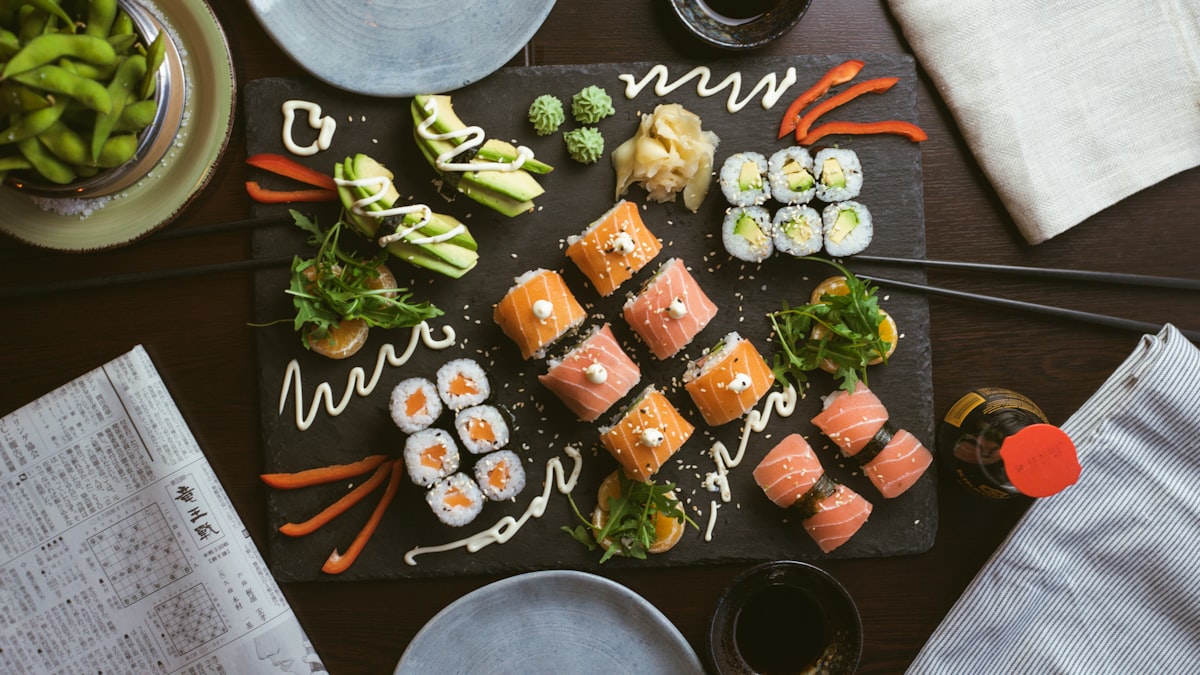
    • Sushi & sashimi — from conveyor-belt (kaiten) spots to counter omakase.
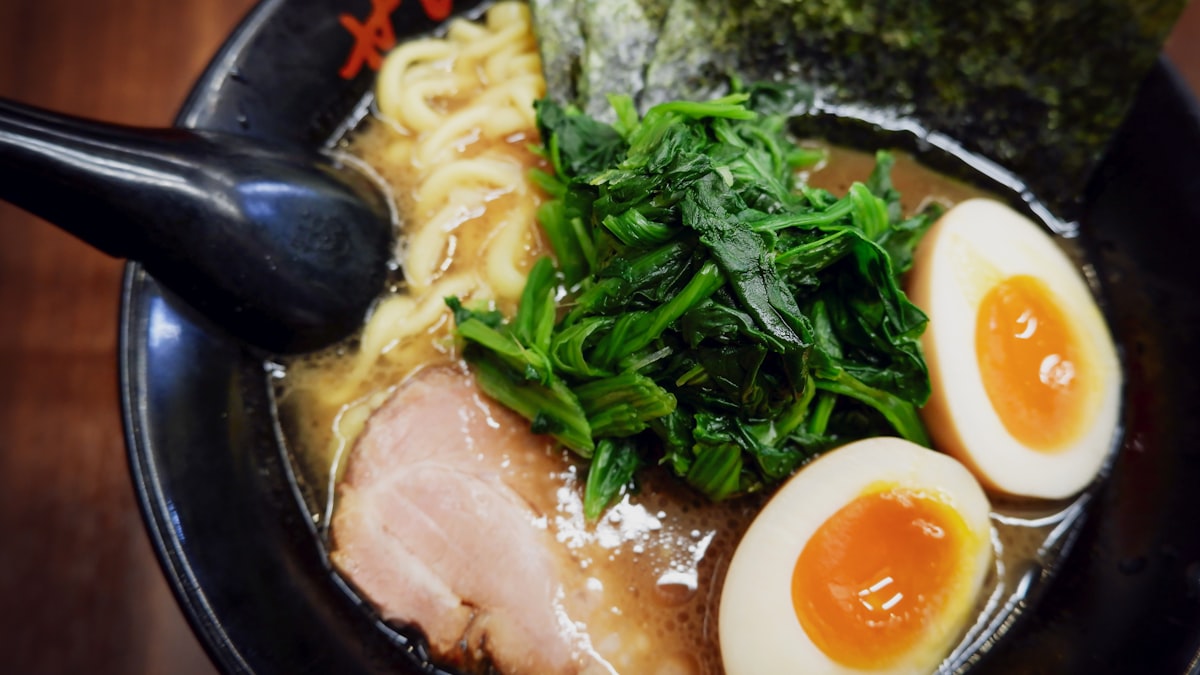
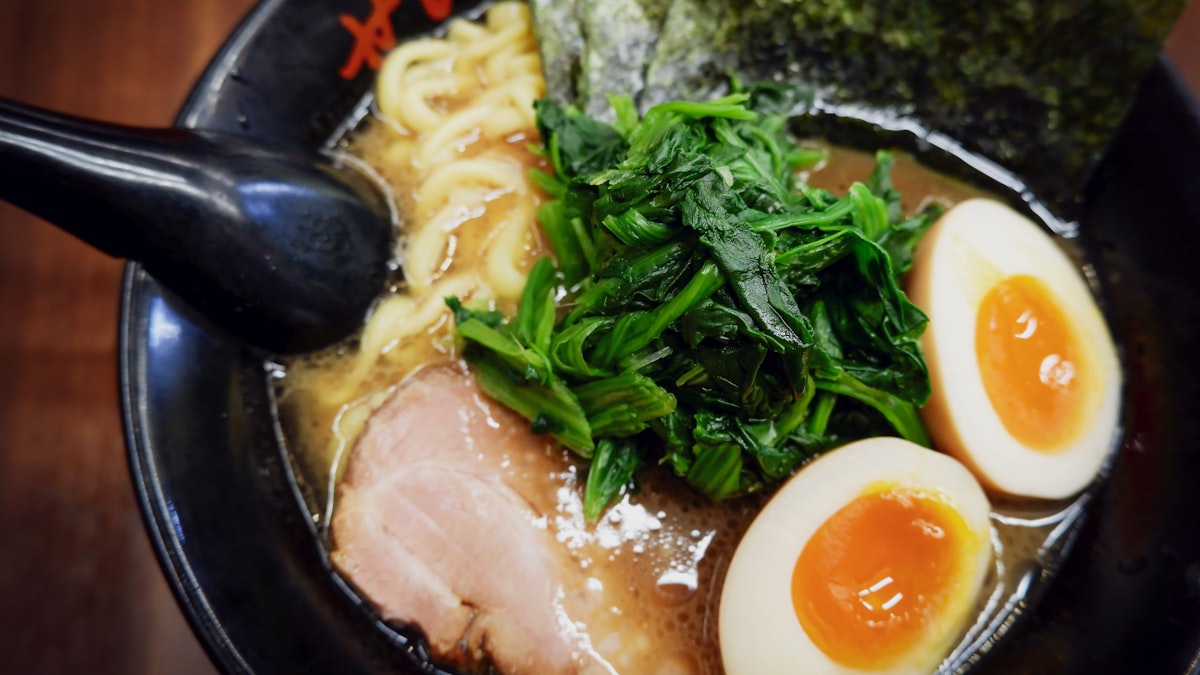
    • Ramen — tonkotsu, shoyu, miso, and more; every region has its style.
    • Tempura — lightly battered seafood and vegetables.
    • Tonkatsu — crispy breaded pork cutlet with shredded cabbage.
    • Udon & soba — thick wheat and thin buckwheat noodles, hot or cold.

    Street food & casual eats

    • Takoyaki & okonomiyaki — Osaka’s savory octopus balls and pancakes; see Osaka guide.
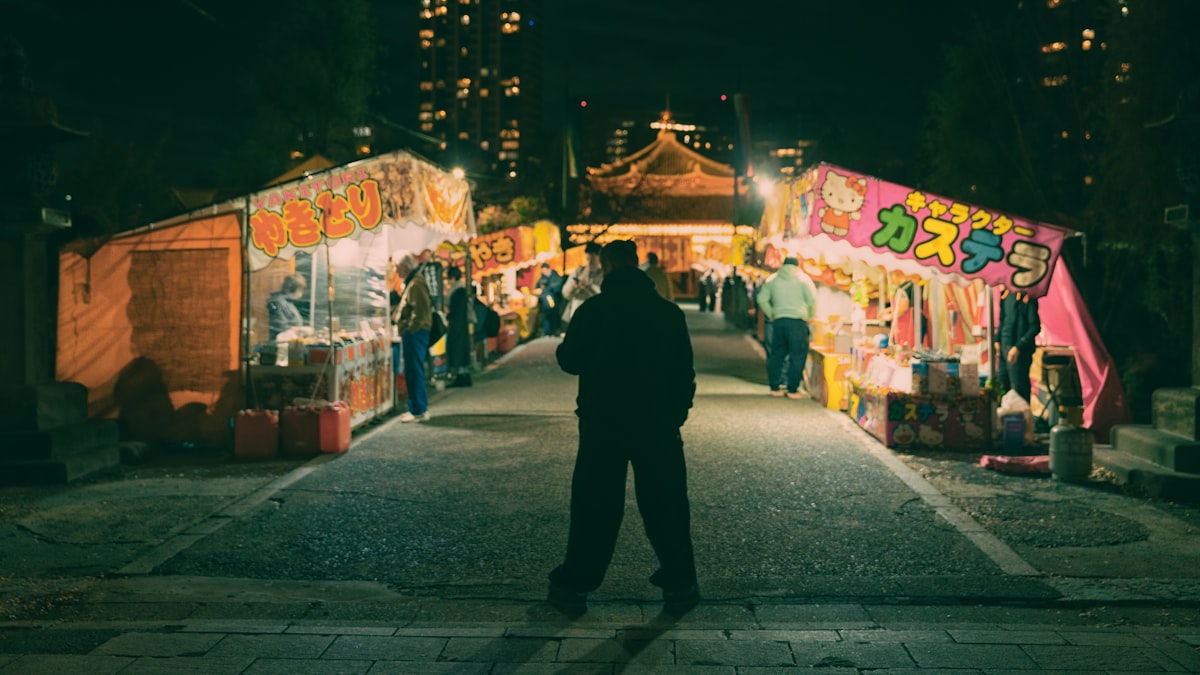
    • Yakitori — grilled chicken skewers, izakaya classic.
    • Gyoza and karaage (Japanese fried chicken).
    • Taiyaki & tatsu — fish-shaped cakes and sweets.

    Comfort bowls

    • Gyudon — beef rice bowls, cheap and fast.
    • Katsudon & oyakodon — cutlet or chicken-and-egg over rice.
    • Curry rice — Japan’s beloved comfort food.
    • Unagi — grilled eel, a summer treat.

    Don’t miss

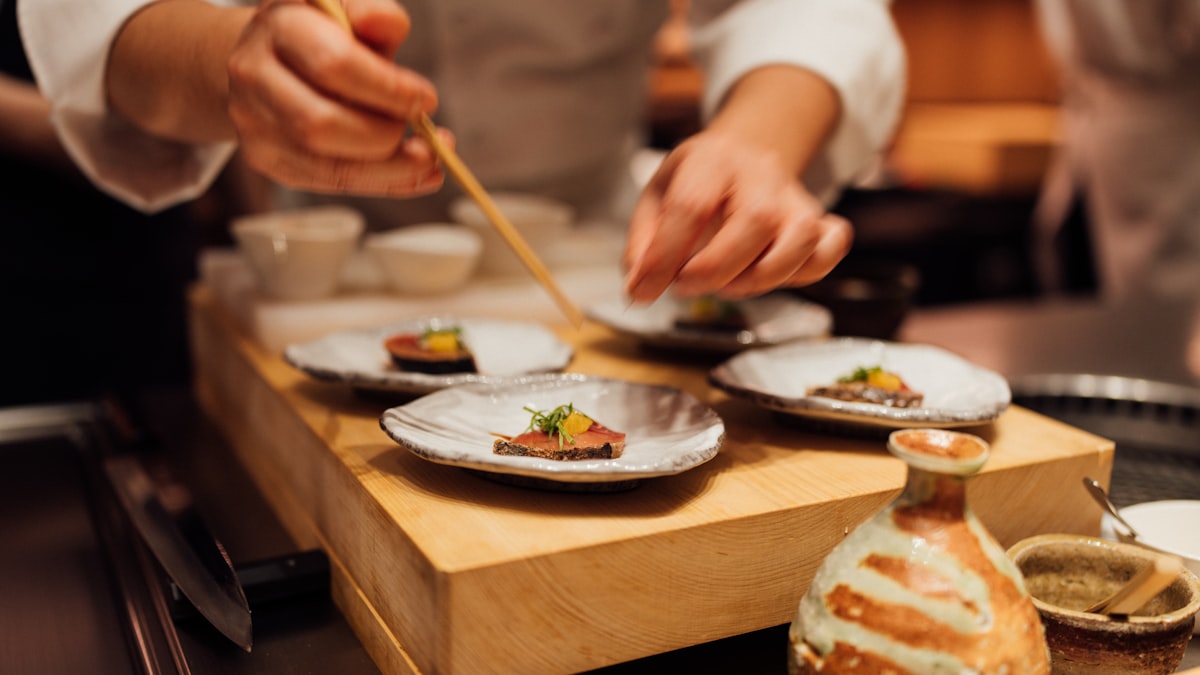
    • Kaiseki — Japan’s multi-course haute cuisine, often at a ryokan.
    • Depachika — department-store food halls, a feast for the eyes.
    • Konbini food — genuinely good; see konbini must-buys.
    • Vegetarian? Read our vegetarian & vegan guide.

    Dining tips

    • Many places use ticket machines — buy a meal ticket, hand it over.
    • Slurping noodles is fine (even encouraged); there’s no tipping.
    • Brush up with our etiquette and phrases guides.

    Hungry yet? Fit the eating into our 7-day itinerary.

  • Vegetarian & Vegan in Japan: A Practical Guide

    Vegetarian & Vegan in Japan: A Practical Guide

    Eating vegetarian or vegan in Japan is very doable — but there’s a hidden catch called dashi. Here’s how to eat well without stress.

    The dashi problem

    Japan’s foundational stock, dashi, is usually made with bonito (fish) flakes. It’s in miso soup, many noodle broths, simmered dishes, and sauces — so “vegetable” dishes often aren’t vegetarian. Even a plain-looking bowl can hide fish. Knowing this is half the battle.

    Naturally veg-friendly foods

    • Shojin ryori — Buddhist temple cuisine, entirely plant-based and exquisite (great in Kyoto and Koyasan).
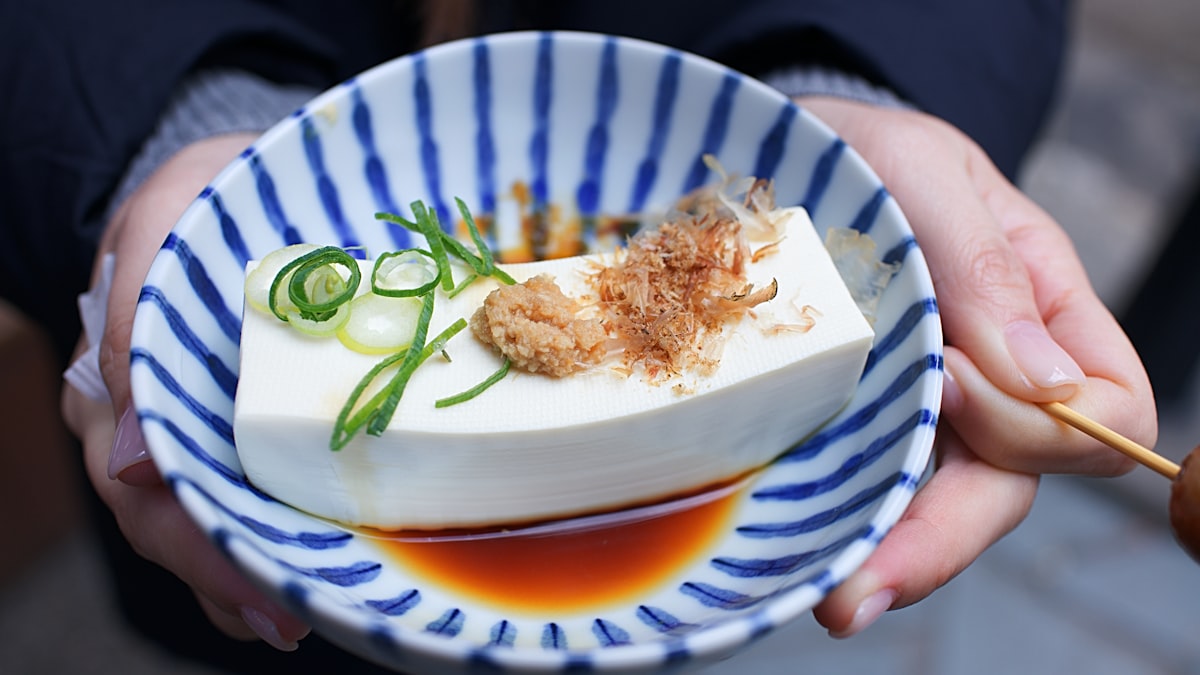
    • Tofu & yuba dishes, especially in Kyoto.
    • Vegetable tempura, edamame, and pickles (ask about the dipping sauce).
    • Zaru soba — cold buckwheat noodles (confirm the dipping broth).
    • Inari sushi and vegetable maki (kappa/avocado).

    Convenience-store & chain wins

    • Konbini onigiri (umeboshi/kombu), salads, edamame, and fruit.
    • An increasing number of vegan ramen and curry spots in big cities.
    • Indian restaurants are a reliable veg fallback everywhere.

    Phrases that help

    • “Watashi wa bejitarian desu” — I’m vegetarian.
    • “Niku, sakana, dashi nashi de dekimasu ka?” — Can you make it without meat, fish, or dashi?
    • Carry a printed card listing what you can’t eat. More in our phrases guide.

    Tips for a smooth trip

    • Use vegan-restaurant apps/maps to pin spots in advance.
    • Book accommodation with a kitchen if you’re strict — supermarkets have great produce and tofu.
    • Big cities are easiest; rural areas need more planning.

    With a little prep, plant-based travelers eat brilliantly here. Build it into our first-timer tips.

  • Japanese Convenience Store Must-Buys: Konbini Snacks & Essentials

    Japanese Convenience Store Must-Buys: Konbini Snacks & Essentials

    Some links below are affiliate links. If you buy through them, Japan Trove may earn a small commission at no extra cost to you.

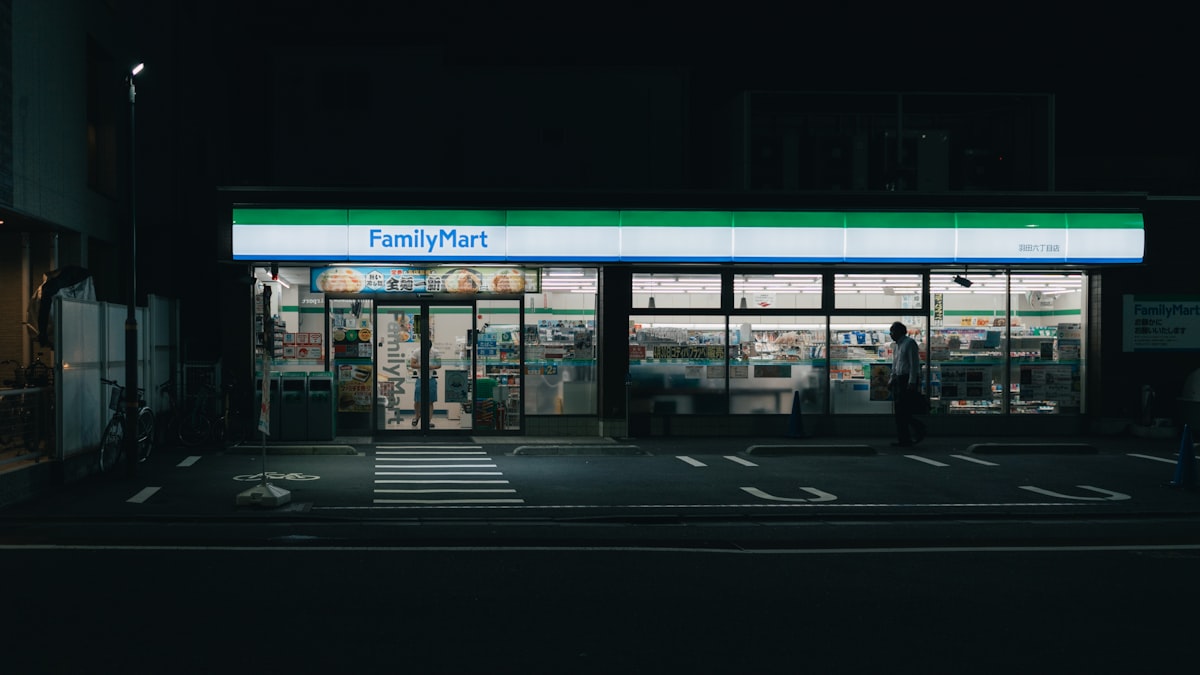
    Japan’s convenience stores (“konbini”) — 7-Eleven, FamilyMart, and Lawson — are a genuine highlight of any trip. The quality is astonishing and prices are low. Here’s what to grab on your first konbini run, from meals to snacks to little life-savers.

    Meals & hot food

    • Onigiri (rice balls) — cheap, delicious, and the wrapper keeps the seaweed crisp; tuna-mayo and salmon are classics.
    • Sandwiches — the egg salad (“tamago sando”) is legendary.
    • Hot counter — FamilyMart’s fried chicken (“Famichiki”) and Lawson’s karaage-kun are must-tries.
    • Oden (winter) and fresh bento boxes — surprisingly good for the price.

    Snacks & sweets

    • Seasonal Kit Kats and chocolate — see our Kit Kat guide.
    • Konbini sweets — the pudding, roll cake, and mochi desserts rival dedicated shops.
    • Umaibo, Jagariko, and regional chips — cheap, fun, and shareable.

    Drinks

    • Bottled green tea and barley tea — unsweetened and refreshing.
    • Canned coffee (hot or cold from the machine) and unique sodas.
    • Chilled dashi/soup and vitamin drinks for when you’re worn out.

    Non-food life-savers

    • ATMs (7-Eleven and Japan Post accept foreign cards), ticket machines, and clean toilets.
    • Umbrellas, phone chargers, socks, toiletries — whatever you forgot.
    • Tax-free at some larger stores if you spend enough — bring your passport.

    Want konbini snacks at home?

    You can recreate the experience abroad with a Japanese snack box, or order specific items via a proxy service. New to Japan? Start with our first-timer tips and 7-day itinerary.