Japan Trove

Category: Tokyo

Tokyo neighborhood guides, day trips, and the best things to do in the capital.

  • Nihonbashi: Tokyo’s Historic Merchant District & Flagship Department Stores

    Nihonbashi: Tokyo’s Historic Merchant District & Flagship Department Stores

    Photo by Cem Ersozlu on Unsplash

    Long before Shibuya or Ginza existed as shopping names, Nihonbashi was already Tokyo’s commercial heart. This is where the Edo-period merchant class built fortunes, where Japan’s oldest department store still rings a brass bell at opening time, and where the official “kilometer zero” marker for Japan’s entire road network sits quietly under a bridge most tourists walk past without noticing. It’s one of the few places in central Tokyo where you can trace four centuries of commerce in a single afternoon.

    A Brief History of Japan’s Merchant Capital

    Nihonbashi (“Japan Bridge”) takes its name from the wooden bridge first built here in 1603, the same year Tokugawa Ieyasu made Edo his capital. The bridge marked the starting point of the Five Routes, the highway system connecting Edo to the rest of Japan, and the district around it filled with wholesalers, moneylenders, and fish markets (the original Tsukiji market started life here before relocating). The current stone bridge dates to 1911 and still carries a small bronze “Nihon no Michi no Genten” (Center of Japan) marker at its midpoint — easy to miss, but a nice two-minute detour if you’re walking between the department stores.

    Nihonbashi Mitsukoshi: Japan’s Oldest Department Store

    Mitsukoshi traces its roots to a kimono shop called Echigoya, opened in 1673 on this exact spot. The current main building (completed in stages between 1914 and 1935) is a designated Important Cultural Property, and it still has the theatrical flourishes that made department stores a spectacle a century ago: bronze lion statues modeled on the ones in London’s Trafalgar Square guard the main entrance, a carved wooden “Tenjin” staircase rises through the center hall, and a pipe organ on the upper floors is played live several times a day (schedules are posted near the atrium).

    Store hours run 10:30 to 19:00 (some restaurant floors stay open later). The basement food hall — a depachika in Japanese — is the easiest entry point for souvenir shopping: individually wrapped sweets and tea generally run ¥500–¥2,000, and most stalls have English-speaking staff used to tourists. Tax-free counters exist but are usually on a separate floor from the registers, so keep your passport and receipts handy and ask staff where the “tax-free counter” is before you start piling up bags. For a refresher on how Japanese retail refund and receipt rules actually work, see Returns, Exchanges & Receipts in Japan.

    Takashimaya Nihonbashi: A National Important Cultural Property

    A five-minute walk away, Takashimaya’s Nihonbashi flagship (opened 1933, expanded over the decades) is the first department store building in Japan to receive Important Cultural Property status, awarded in 2009. The exterior blends Japanese and Western Art Deco motifs, and the store has since grown into a small complex with a connected “Watch Maison” annex for luxury timepieces and a rooftop garden that’s a quiet rest stop on a hot day. Hours are 10:30 to 19:30, slightly later than Mitsukoshi, which makes it a good last stop if you’re doing both in one day. Its depachika is smaller than Mitsukoshi’s but strong on regional Japanese sweets and bento boxes if you want a picnic-quality lunch for under ¥1,500.

    COREDO Muromachi and the Modern Mix

    Facing Mitsukoshi across the street, the COREDO Muromachi 1, 2, and 3 complex (opened between 2010 and 2014) shows how Nihonbashi has modernized without bulldozing its identity. Long-running merchant shops that have operated here since the Edo period — including Ninben, a bonito-flake and dashi specialist founded in 1699 — now share floors with contemporary cafés and a cinema. Ninben’s “Nihonbashi Dashi Bar” sells a cup of fresh dashi broth for around ¥100, a cheap and genuinely interesting way to taste what Japanese cooking is actually built on. If you’re assembling a pantry of condiments and seasonings to bring home, this area pairs well with what you’d find in a guide like Yuzu Kosho and Beyond: A Japanese Condiment Pantry Souvenir Guide, and pickle shops in the COREDO basements make good use of the ideas in Tsukemono: Japan’s Pickled Vegetable Tradition and Where to Buy.

    Getting There and the Best Time to Visit

    Nihonbashi is genuinely central: it’s about a 10-minute walk from Tokyo Station’s Yaesu side, or one stop on the Tokyo Metro Ginza or Tozai Line to Nihonbashi Station, which connects directly underground to both Mitsukoshi (via Mitsukoshimae Station) and Takashimaya. If you’re coming straight from the airport, decide your route in first — our comparison of Narita Express vs Keisei Skyliner covers which train gets you into central Tokyo fastest depending on which airport you land at.

    Weekday mornings right after opening (10:30–11:30) are the quietest time to browse the historic buildings and take photos without crowds. Depachika basements get busiest in the late afternoon, especially after 17:00, when staff start marking down prepared foods and bento — good for bargain hunting, less good for a leisurely look around. Early January is uniquely chaotic: Japanese department stores sell “fukubukuro” lucky grab bags starting January 1–2, and lines can form before opening. If you want to see the stores at their calmest and still photograph the New Year decorations, aim for the first week of January but arrive well before 10:30, or wait until mid-January when the rush has passed.

    Common Mistakes to Avoid

    The biggest one is treating Nihonbashi as a single store rather than a district — Mitsukoshi, Takashimaya, and COREDO Muromachi are a 10-minute walking loop, and most visitors only budget time for one. Another is assuming every item in the depachika can leave the country: fresh prepared foods, fish, and some produce are not airport-friendly, so if you’re shopping for omiyage to carry home, look for shelf-stable sweets instead. The classic choice is covered well in Tokyo Banana and Japan’s Iconic Omiyage Sweets: A Buyer’s Guide. Finally, don’t assume tax-free shopping is automatic — you need to spend a minimum (typically ¥5,000 before tax at a single store in one day) and present your passport at the designated counter, not the regular register.

    Budget, Mid-Range, and Splurge Options

    On a tight budget, the Ninben dashi bar and depachika sample counters let you taste Nihonbashi’s food culture for a few hundred yen. Mid-range shoppers will find plenty in the ¥2,000–¥8,000 range among tea sets, lacquerware, and seasonal sweets across both department stores’ basement and first floors. For a splurge, Takashimaya’s upper floors and Watch Maison annex carry Japanese and European luxury goods, while Mitsukoshi’s kimono and tableware departments stock pieces that run well into six figures — browsing them is free, and the sales staff are generally happy to explain what makes a piece valuable even if you’re not buying.
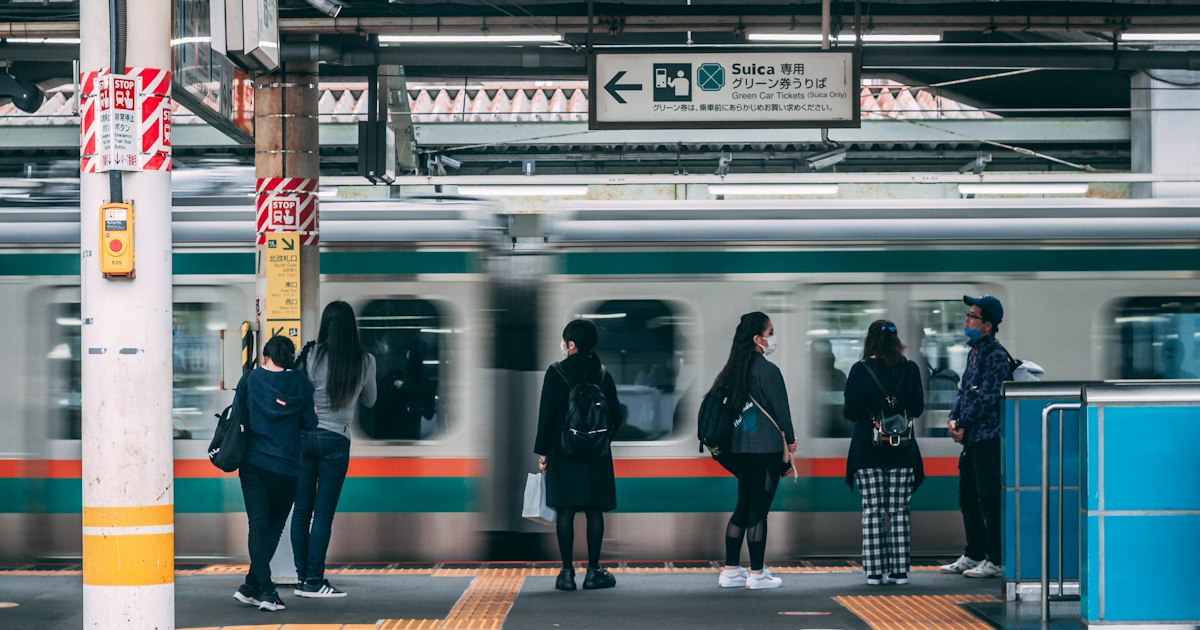
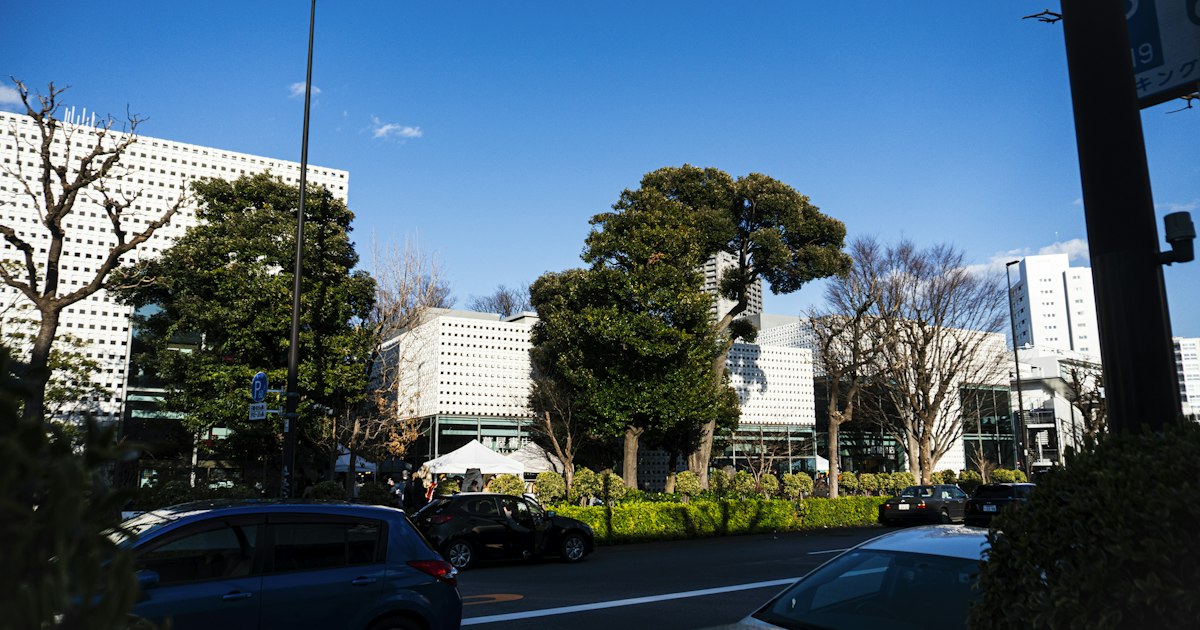
  • Tokyo Character Street: A Shopper’s Guide to Tokyo Station’s Anime Arcade

    Tokyo Character Street: A Shopper’s Guide to Tokyo Station’s Anime Arcade

    Photo by Kanchan Raj Pandey on Unsplash

    Tucked into the basement of Tokyo Station, between bullet train platforms and ramen stalls, is one of the most efficient souvenir stops in the entire city: Tokyo Character Street. In roughly 100 meters of corridor, you’ll find more than 20 officially licensed shops covering Pokémon, Studio Ghibli, Sanrio, Jump manga titles, NHK characters, and more — all walkable in under an hour, and conveniently positioned for anyone already passing through on a train connection. If you’re heading to or from the Shinkansen and want to squeeze in meaningful shopping without a dedicated detour, this is the place.

    What Tokyo Character Street Actually Is

    Tokyo Character Street (東京キャラクターストリート) is a themed retail corridor on the first basement level (B1) of Tokyo Station, inside the Yaesu-side underground shopping zone known as “Tokyo Station Ichibangai.” It’s not a single store but a collection of brand-specific shops lined up side by side, each one a compact, dedicated outpost for a particular franchise or character line. Expect shops for Pokémon Center TOKYO-DX (the biggest and busiest), Studio Ghibli’s Donguri Kyowakoku, Sanrio Character Shop (Hello Kitty and friends), Jump Shop (One Piece, Naruto, Dragon Ball, and other Shonen Jump titles), Ultraman World M78, NHK Character Street (Domo-kun and NHK educational mascots), Kirby’s Pupupu Market, Chiikawa, Rilakkuma Store, and several rotating seasonal or collaboration pop-ups. The lineup shifts occasionally as leases turn over, but the core anchors — Pokémon, Ghibli, Sanrio, and Jump — have been fixtures for years.

    Hours, Access, and Finding It Inside Tokyo Station

    Most shops on Tokyo Character Street are open daily from 10:00 to 20:30 or 21:00, though a few individual shops close slightly earlier (Pokémon Center TOKYO-DX, for example, typically runs 10:00–20:30). There’s no single closing time for the whole street, so check the hours posted at each shop’s entrance if you’re cutting it close.

    To find it, head to the B1 level and follow signage for “Tokyo Station Ichibangai” or “Character Street” — it’s on the Yaesu side of the station (opposite the Marunouchi/Imperial Palace side), near the Yaesu North Exit basement concourse. If you arrive by Shinkansen, follow signs toward the Yaesu side exits and look for basement-level directories; station staff at the ticket gates can point you toward “Character Street” by name, since it’s a well-known local landmark, not an obscure shop. If you’re arriving from Narita or Haneda airport, our guide to Narita Express vs Keisei Skyliner can help you plan a route that lands you directly at Tokyo Station rather than Ueno or Shinjuku, saving a transfer.

    What to Buy and Realistic Prices

    Pricing varies widely by franchise and item type, but here’s a realistic budget breakdown based on what’s typically stocked:

    • Budget (¥500–¥1,500): Rubber straps, acrylic keychains, single stickers, small plushie charms, postcards, and gacha capsule toys (most gacha machines run ¥300–¥500 per pull). Jump Shop and Sanrio both stock a deep range of sub-¥1,000 items.
    • Mid-range (¥1,500–¥5,000): Standard plush toys, mugs, T-shirts, tote bags, and character-branded stationery sets. Pokémon Center exclusive plush (Pikachu in regional costumes, for instance) often lands in the ¥2,000–¥3,500 range.
    • Splurge (¥6,000 and up): Limited-edition figures, large plush, Ghibli art reproductions or ceramics from Donguri Kyowakoku, and region- or store-exclusive collaboration items. Pokémon Center TOKYO-DX exclusives and Ghibli porcelain pieces are the most likely to hit this bracket.

    Store-exclusive items are the real draw here — many shops stock Tokyo Station-only or Tokyo-limited variants you won’t find at other branches, which is worth knowing if you’re comparing against Pokémon Center or Jump Shop locations elsewhere in the city.

    Best Time to Visit

    Because it sits inside a major transit hub, Character Street gets crowded during commuter rush hours (roughly 8:00–9:30 and 17:30–19:00 on weekdays) simply from foot traffic passing through the concourse, even though the shops themselves are leisure destinations. For calmer browsing, aim for weekday mid-mornings (10:00–11:30) right after opening. Weekends, especially Saturday afternoons, bring in families and tend to be the busiest shopping periods, with lines forming outside Pokémon Center TOKYO-DX and Jump Shop at peak times. If your itinerary is flexible, visiting on a weekday just after the shops open gives you the best shot at browsing without queuing, and checkout lines are noticeably shorter.

    Common Mistakes to Avoid

    • Treating it as a quick five-minute stop. With 20+ shops, even a light browse takes 45–60 minutes. Budget more if you plan to actually buy things, since checkout lines at Pokémon Center and Jump Shop can take 10–15 minutes during busy periods.
    • Forgetting it’s inside the paid ticket area in parts. Tokyo Station Ichibangai, including Character Street, is accessible without a Shinkansen ticket — it’s in the general station concourse — but double-check your route if you’re navigating from a platform, since some basement corridors do require passing through ticket gates. If you’re unsure, ask station staff before tapping through.
    • Not keeping receipts for tax-free purchases. Most shops here are not set up for on-the-spot tax exemption the way large department stores are, so don’t count on duty-free pricing. Keep every receipt regardless — see our guide on returns, exchanges, and receipts in Japan for what to do if an item is damaged or you need to swap a size.
    • Assuming all shops take the same payment method. Most now accept IC cards and major credit cards, but a few smaller specialty shops are cash-preferred for low-value items. If you’ve already set up Suica or Pasmo on your phone, it’s worth testing at checkout before assuming it’ll work everywhere.
    • Skipping it because you’re “just passing through.” Because it’s inside the station, it’s one of the few souvenir stops in Tokyo genuinely compatible with a tight transit schedule — you don’t need a separate subway trip.

    Pairing It With the Rest of Tokyo Station

    Character Street is just one wing of Tokyo Station Ichibangai, which also includes the famous “Okashi Land” sweets corridor and a ramen alley. If you still need standard omiyage (gift-boxed snacks for coworkers or family back home) after character shopping, the nearby confectionery shops are a convenient next stop — our guide to Tokyo Banana and Japan’s iconic omiyage sweets covers what to grab and how to choose between the dozens of similar-looking boxed gift sets sold throughout the station. Between the two, you can realistically cover character goods and food gifts in a single basement-level loop without ever leaving the station building — ideal if you’re catching a train within the next hour or two.

  • Daikanyama: Tokyo’s Stylish Boutique Neighborhood

    Daikanyama: Tokyo’s Stylish Boutique Neighborhood

    Photo by Hyungjun Goo on Unsplash

    Tucked between Shibuya and Ebisu, Daikanyama feels like Tokyo with the volume turned down. There are no pachinko parlors, no crowds elbowing past giant video screens — just tree-lined slopes, independent boutiques, and cafés where the coffee is taken seriously. It’s the neighborhood Tokyoites point to when they want to show visitors a side of the city that isn’t Shibuya Crossing. If you like slow mornings, well-edited clothing racks, and architecture worth photographing, set aside half a day for it.

    Where It Is and How to Get There

    Daikanyama Station sits on the Tokyu Toyoko Line, exactly one stop from Shibuya (about 3 minutes, roughly 150–160 JPY). This makes it an easy add-on to a Shibuya day rather than a destination requiring its own itinerary. If you’re coming from further afield on the JR network, ride to Shibuya first and transfer to the Toyoko Line, or simply walk — it’s about 20–25 minutes on foot from Shibuya Station through the quieter backstreets, and roughly 15 minutes from Ebisu Station, which makes a Daikanyama-to-Ebisu walk a nice way to link two neighborhoods in one afternoon. Make sure your IC card is loaded before you go; if you haven’t set one up yet, our guide on adding Suica or Pasmo to Apple Wallet covers the setup so you’re not fumbling with ticket machines at the gate.

    The Neighborhood’s Anchor: Tsutaya Books T-Site

    Most visits start at Tsutaya Books (also called T-Site), a complex of three interconnected glass pavilions designed by Klein Dytham architecture. It opens daily from 7:00 AM to 11:00 PM — unusually early and late for a Japanese bookstore — and functions as much as a lifestyle hub as a place to buy books. Browse design and photography titles, duck into the attached Anjin lounge for coffee and a cocktail list later in the day, and don’t skip the garden courtyard out back, which is popular with local dog owners (there’s even a dedicated dog park area nearby). English-language sections are limited, so this is more of an atmosphere stop than a shopping one unless you read Japanese.

    Boutique Shopping: What to Expect and What to Buy

    Daikanyama’s retail identity is small, curated shops rather than department stores or chains. Expect:

    • Budget (under 5,000 JPY): Independent zine and postcard shops, small ceramics stalls, and casual cafés with pastries from 400–700 JPY.
    • Mid-range (5,000–30,000 JPY): Selvedge denim, Japanese-made leather goods, and contemporary fashion labels at boutiques like Okura (Japanese textile-inspired clothing) or the shops scattered through Log Road Daikanyama.
    • Splurge (30,000 JPY+): Designer flagship stores and made-to-order tailoring — Daikanyama has long attracted labels that want a quieter, more design-forward storefront than Omotesando offers.

    Cow Books, a secondhand bookstore specializing in literature and counterculture titles, is worth a stop even if you don’t read Japanese — the shopfront and curated window displays are a neighborhood landmark in themselves. Most boutiques open around 11:00 AM and close between 7:00 and 8:00 PM; very few open before 11, so there’s no point arriving at 9 AM expecting shops to be running — that’s a café-and-walk window instead.

    Log Road and Hillside Terrace

    Log Road Daikanyama is a short pedestrian strip built along a former railway track, lined with Nordic-leaning cafés, a Fred Segal outpost, and Spring Valley Brewery, Kirin’s craft beer taproom (pints from around 800 JPY, flight sets available). It’s one of the most photogenic stretches in the neighborhood, especially in spring when the cherry trees along the old track bloom. Hillside Terrace, a few minutes further on, is a 1970s–90s architectural complex by Fumihiko Maki — low-rise, concrete, and genuinely influential in Japanese urban design circles. It mixes galleries, a Danish furniture showroom, and quiet courtyards. Even if you have no interest in architecture, it’s a pleasant, uncrowded place to sit for twenty minutes.

    Best Time to Visit

    Daikanyama rewards a weekday morning-to-afternoon visit — weekends bring more foot traffic, though nothing close to Shibuya-level crowds. Cherry blossom season (late March to early April) along Log Road and the Shibuya River walkway toward Nakameguro is the single best window, and it conveniently connects to Nakameguro’s famous river-side blossoms about a 15-minute walk south. Autumn (November) is a close second for foliage and mild walking weather. Summer is workable but shadeless in stretches; winter is quiet and fine for shopping since most of the appeal here is indoors or under awnings anyway.

    Common Mistakes to Avoid

    • Treating it as a half-day-only destination. Daikanyama is compact — most visitors cover the main streets in 2–3 hours. Pair it with Ebisu or Nakameguro rather than building a whole day around it alone.
    • Expecting tax-free shopping everywhere. Many boutiques here are small, independent operations that don’t process duty-free paperwork, unlike department stores. If tax-free purchases matter to you, ask before you buy, and keep receipts — our guide to returns, exchanges, and receipts in Japan explains what tourists should know before buying, including the minimum spend thresholds for tax exemption.
    • Visiting on a Monday without checking hours. It’s not universal, but a meaningful number of independent boutiques and cafés in Daikanyama take Monday as their weekly closure. Check a shop’s website or Google listing the day before if there’s something specific you want to see.
    • Assuming it’s bargain shopping. This is a design-conscious, mid-to-high-price neighborhood. If you’re hunting for deep discounts, Shimokitazawa or Koenji will serve you better.

    Rounding Out the Trip

    If you’re building a souvenir list while you’re in the area, Daikanyama’s boutiques lean toward fashion and homeware rather than classic omiyage, so save food and gift shopping for a department store basement (depato chika) elsewhere, or a dedicated stop like Tokyo’s Kakimori stationery atelier, where you can build a custom notebook as a gift that’s genuinely hard to find outside Japan. And if any of your purchases are headed back to a workplace rather than family or friends, it’s worth a quick read of our guide to omiyage etiquette — the unwritten rules around individually wrapped items and per-person quantities trip up a lot of first-time visitors.

    Daikanyama won’t overwhelm you with sights, and that’s the point. It’s a neighborhood built for wandering at a slower pace, with enough good coffee and well-made things along the way that a loosely planned afternoon here tends to work out better than a tightly scheduled one.

  • Kagurazaka: Tokyo’s Cobblestone Former Geisha District and French Cafes

    Kagurazaka: Tokyo’s Cobblestone Former Geisha District and French Cafes

    Photo by Denys Nevozhai on Unsplash

    Ten minutes from Tokyo Station by subway, Kagurazaka feels like it belongs to a different city entirely. Stone-paved alleys wind past lantern-lit ryotei that once hosted geisha parties, while the main slope is lined with French bakeries, wine bars, and bistros left over from a wave of French residents who settled here decades ago. It’s one of the few Tokyo neighborhoods where “old Edo” and “Little Paris” sit on the same block, and it rewards slow walking far more than a checklist of sights.

    Where Kagurazaka Is and How to Get There

    Kagurazaka sits in Shinjuku ward, just west of Iidabashi. The easiest approach is Kagurazaka Station on the Tozai Line — take Exit 1 and you’ll step out directly onto Kagurazaka-dori, the main slope. Alternatively, Iidabashi Station (served by the JR Chuo-Sobu Line, Tozai Line, Yurakucho Line, Namboku Line, and Toei Oedo Line) is a 5-minute walk from the base of the hill via the West Exit, and gives you a chance to pass Canal Café, a boathouse-style café overlooking the old Edo Castle moat, on the way.

    The whole area is compact — you can walk from the bottom of Kagurazaka-dori to Akagi Shrine at the top in about 15 minutes, with the real charm in the side alleys branching off along the way. There’s no admission fee for wandering the neighborhood itself.

    A Former Geisha District Hidden Down Cobblestone Alleys

    Kagurazaka was one of Tokyo’s recognized hanamachi (geisha districts) from the Meiji era through the postwar boom, and a small geisha association still operates here today, though sightings are rare and mostly limited to evening hours near the traditional restaurants. The best place to feel that history is Hyogo Yokocho, a narrow stone-paved lane just off the main street lined with black-fenced ryotei and old inns — it looks almost exactly as it did decades ago. A second alley, Kakurenbo Yokocho (“hide-and-seek alley”), is equally atmospheric and named for how easily people used to lose each other in its bends.

    Most of the ryotei down these alleys are reservation-only, sometimes requiring an introduction from an existing customer, so don’t expect to walk in. Treat them as photogenic backdrops for an evening stroll rather than restaurants to try on a whim. For a neighborhood with a similarly strong subcultural identity but a completely different flavor, Koenji’s vintage and punk scene makes an interesting contrast on the same trip.

    Little France: Why This Neighborhood Has So Many French Cafes

    Kagurazaka’s French connection isn’t marketing — it’s demographic. The Institut français du Japon–Tokyo and the Lycée français international de Tokyo (a French international school) are both based here, which drew a real community of French expats to the neighborhood starting in the 1960s–70s. Bakeries, bistros, and wine bars followed, and locals now half-jokingly call the area “Little Paris” or “Puchi Paris.”

    The best-known spot is Le Bretagne, a Breton galette (buckwheat crêpe) restaurant that’s been serving cider and savory galettes for decades — a galette lunch set runs roughly ¥1,800–2,500. Smaller boulangeries along the backstreets sell croissants and pain au chocolat for ¥350–500, and it’s easy to put together a picnic-style breakfast for under ¥1,000 before continuing uphill.

    Where to Eat and Drink, by Budget

    • Budget (under ¥1,500): A bowl of soba or udon at one of the small noodle counters near the station, or a bakery pastry and coffee eaten on a bench near Akagi Shrine.
    • Mid-range (¥3,000–6,000): A French bistro dinner with a glass of wine, or a galette set at Le Bretagne with cider. Many bistros are tiny (10–15 seats), so arrive right at opening (usually 11:30am or 6pm) if you don’t have a reservation.
    • Splurge (¥30,000+): Ishikawa, a three-Michelin-starred kaiseki restaurant tucked down one of Kagurazaka’s alleys, is one of Tokyo’s hardest reservations to get — book months ahead, ideally through a hotel concierge, as English-language walk-in booking isn’t realistic.

    For a lower-key evening, standing bars aren’t really a Kagurazaka specialty, but if that kind of casual drinking culture appeals to you, it’s worth knowing how it works elsewhere in the city — see our guide to tachinomi standing bar etiquette.

    Akagi Shrine and the Top of the Hill

    At the top of Kagurazaka-dori sits Akagi Shrine, a centuries-old shrine that got an unusual 2010 renovation by architect Kengo Kuma — the main hall keeps its traditional form, but the shrine office is now a glass-walled modern structure, with a small café (Akagi Café) inside serving coffee and light meals from around 11am to 8pm. It’s a good, quiet spot to rest before heading back down through the alleys.

    Partway up the main street, Zenkokuji Temple (enshrining Bishamonten) is the neighborhood’s spiritual anchor and worth a quick look even for non-worshippers — it sits right on the main road so there’s no detour required.

    Best Time to Visit and Local Festivals

    Kagurazaka is pleasant year-round and doesn’t have a must-see cherry blossom or foliage moment the way many Tokyo spots do — its appeal is architectural and atmospheric rather than seasonal. That said, a light rain actually improves the experience, since it darkens the cobblestones and makes the alley lanterns glow more visibly. Early evening (around sunset) is the best single window: shops are still open, restaurant lanterns are lit, and the alleys empty out of daytime foot traffic.

    In late July, Kagurazaka hosts its own Awa Odori dance festival, a smaller sister event to the famous original in Tokushima — dancers in traditional costume move up and down the main slope over several evenings. If you’re interested in the dance tradition itself, our guide to Tokushima’s original Awa Odori explains the steps and how visitors can join in.

    Common Mistakes to Avoid

    • Only visiting during the day. Kagurazaka’s alleys look pleasant in daylight but come alive at dusk, when lanterns are lit and the ryotei atmosphere is strongest.
    • Expecting to walk into a ryotei. Most traditional restaurants in Hyogo Yokocho are reservation-only, and some are introduction-only. Admire them from outside unless you’ve booked ahead.
    • Forgetting it’s a real street, not a pedestrian zone. Kagurazaka-dori carries car traffic, and its direction of flow changes over the course of the day to manage the narrow slope — look both ways even where it feels quiet.
    • Skipping reservations at Le Bretagne on weekends. It’s small and popular with both tourists and long-time residents; weekend lunch service fills up fast.
    • Rushing through in under an hour. The point of Kagurazaka is the side alleys, not the main road — budget at least 90 minutes to actually duck into Hyogo Yokocho and Kakurenbo Yokocho rather than just walking up and down the slope.

    Pair a Kagurazaka afternoon with nearby Iidabashi or a longer day in Shinjuku, and it works well as a half-day add-on rather than a standalone destination — compact, walkable, and unlike anywhere else in central Tokyo.

  • Koenji: Tokyo’s Vintage Clothing & Punk Rock Neighborhood

    Koenji: Tokyo’s Vintage Clothing & Punk Rock Neighborhood

    Photo by Ivan Yurkin on Unsplash

    While tour buses idle outside Harajuku, Koenji quietly gets on with being Tokyo’s real vintage-clothing capital. This low-rise neighborhood in Suginami Ward, about ten minutes west of Shinjuku, has spent five decades collecting secondhand clothing dealers, punk and hardcore live houses, and a街-level DIY energy that Shimokitazawa’s gentrification has largely traded away. There’s no single “sight” to check off — the appeal is wandering narrow arcades, flipping through 500-yen bins and rare Levi’s alike, and ending the night in a sweaty basement club. Here’s how to do it properly.

    Where Koenji Is and How to Get There

    Koenji Station is on the JR Chuo-Sobu Line, the orange local (each-station) train — about 10 minutes from Shinjuku and 4 minutes from Nakano. From Tokyo Station, a direct local train takes roughly 25–30 minutes; alternatively, ride the faster Chuo Rapid Line to Nakano or Shinjuku and transfer to the local line, since most rapid services don’t stop at Koenji. There’s no need for a taxi or bus — everything worth seeing is within a 10-minute walk of the station’s north and south exits.

    The neighborhood splits cleanly: the north side (Kitaguchi) has the PAL and Look shopping arcades plus the famous “Kitakore” building, a cluster of tiny punk and vintage boutiques stacked on top of each other; the south side (Minamiguchi) is quieter, with more record shops, cafes, and standing bars tucked into back alleys.

    Vintage Shopping: Where to Dig for Treasure

    Koenji has an unusually high density of used-clothing stores for a neighborhood this size — easily 50+ shops within a 15-minute walk. A few reliable anchors:

    • Kinji Used Clothing — a long-running secondhand chain (also in Harajuku and Shimokitazawa) with a huge, densely packed Koenji branch. Basic tees and shirts start around 500–1,500 yen; jackets and outerwear run 2,000–6,000 yen.
    • Flamingo — another chain staple, strong on Americana, work jackets, and band tees, similarly priced to Kinji.
    • Kitakore Building — a ramshackle multi-story building on the north side housing a handful of independent punk-fashion and one-of-a-kind vintage shops. Prices here skew higher and more curated — think 5,000–30,000 yen for standout pieces like military surplus, leather, or rare band merch.

    Budget for a full afternoon: 3,000–8,000 yen gets you a couple of solid finds at the chain stores. Mid-range shoppers hunting curated vintage denim, band tees, or 90s streetwear should expect 5,000–20,000 yen per item. Splurge territory — rare vintage Levi’s (pre-1970s), original tour merch, or vintage designer pieces — can run 20,000–100,000+ yen at the more specialized boutiques.

    Cash matters here: many of the smaller independent shops are cash-only or have low card minimums, so carry at least 10,000–15,000 yen in cash if you’re planning to buy. Convenience store ATMs (7-Eleven, Family Mart) near the station accept foreign cards.

    Most vintage shops open around 12:00–13:00 and close by 20:00, and quite a few keep irregular closing days (futeikyū), especially midweek. If you’re making a special trip for one specific shop, check its Instagram or Twitter/X the morning of — hours shift often and aren’t always reflected on Google Maps.

    The Punk Rock Scene: Live Houses and Record Shops

    Koenji has been a punk and underground-rock hub since the late 1970s, and it still hosts a cluster of small live houses (raibuhausu) within a few blocks of the station — venues like UFO CLUB, 20000V, and Koenji SHOW BOAT regularly book local punk, hardcore, and garage-rock acts. Tickets for a weeknight show typically run 2,000–3,500 yen, often with an additional one-drink charge (500–700 yen) paid at the door. Shows usually start early by Western standards — doors around 18:00–19:00 — so you can catch a set and still make a late train home.

    Alongside the live houses, Koenji has a strong scattering of used-record shops specializing in vinyl — punk, rockabilly, reggae, and Japanese underground pressings are all easy to find, often at better prices than the bigger record stores in Shibuya or Shimokitazawa.

    Koenji Awa Odori: Tokyo’s Biggest Street Dance Festival

    If you can time your visit for the last weekend of August, Koenji hosts its Awa Odori — a dance festival modeled on the original event from Tokushima, and now one of the largest in the Kanto region, drawing well over a million spectators across two days. Dozens of dance troupes (ren) in traditional costume parade through the shopping streets to taiko drums and shamisen, and the whole neighborhood turns into a street party. It’s free to watch from the sidelines, though the best viewing spots along the main route fill up fast — arrive at least an hour before a parade slot if you want a clear view. For background on the original festival this one draws from, see our guide to Awa Odori in Tokushima.

    Best Time to Visit and Practical Tips

    Weekday afternoons (roughly 13:00–17:00) are the quietest time to browse shops without crowds. Weekends bring more foot traffic and more shops staying open into the evening, which is useful if you also want to catch a live show. Avoid the very end of December through early January — a large share of small independent shops close for New Year’s, sometimes for a week or more.

    Aside from Awa Odori weekend, Koenji doesn’t get uncomfortably crowded, and there’s no need to book anything in advance for shopping. If you’re staying out late for a show and don’t want to worry about the last train, Koenji is close enough to Shinjuku that a manga kissa near the station makes a cheap, workable overnight fallback.

    Common Mistakes to Avoid

    • Showing up before noon — most vintage shops simply aren’t open yet, and you’ll be stuck looking at shuttered doors.
    • Confusing Koenji with Shimokitazawa — both are vintage-shopping neighborhoods on rail lines out of Shinjuku, but Koenji is grittier, cheaper, and more punk-focused, while Shimokitazawa has become more polished and theater-adjacent. If you only have time for one and want the rawer, less touristy experience, pick Koenji.
    • Assuming cards work everywhere — bring cash, especially for the smaller independent boutiques.
    • Skipping the arcades off the main street — the PAL and Look shopping streets get the foot traffic, but some of the best-priced finds are in the quieter alleys branching off them.

    Where to Eat and Drink After Shopping

    Koenji’s south side has a good concentration of cheap izakaya and standing bars, a great fit if you want a quick, casual drink between shops or before a live show — our guide to tachinomi standing bar culture covers the etiquette if you haven’t tried one. Expect to spend 1,500–3,000 yen for a couple of drinks and small plates at a typical standing bar here, noticeably cheaper than equivalent spots in Shinjuku or Shibuya.

    Koenji rewards slow wandering more than a checklist. Budget half a day minimum, wear comfortable shoes for uneven arcade pavement, and don’t be afraid to duck into shops that look closed-for-business from the outside — in this neighborhood, that’s often just the aesthetic.

  • Nakameguro: Tokyo’s Canal-Side Cafes, Cherry Blossoms & Boutiques

    Nakameguro: Tokyo’s Canal-Side Cafes, Cherry Blossoms & Boutiques

    Photo by Jenna Neal on Unsplash

    Nakameguro doesn’t have a single “must-see” landmark, and that’s exactly why it rewards a slow afternoon. The neighborhood is built around a half-mile stretch of the Meguro River, lined with 800-some cherry trees, third-wave coffee roasters, vintage clothing racks, and shops that opened because their owners genuinely wanted to live nearby — not because a guidebook told them to. It’s a 15-minute train ride from Shibuya, but it feels like a different city.

    Getting There and When to Go

    Nakameguro Station sits on both the Tokyu Toyoko Line and the Tokyo Metro Hibiya Line, which makes it easy to reach from almost anywhere in the city. From Shibuya, it’s two stops on the Toyoko Line (about 6 minutes, roughly ¥160). If you’re coming from Roppongi, Ginza, or Ueno, the Hibiya Line runs direct with no transfers.

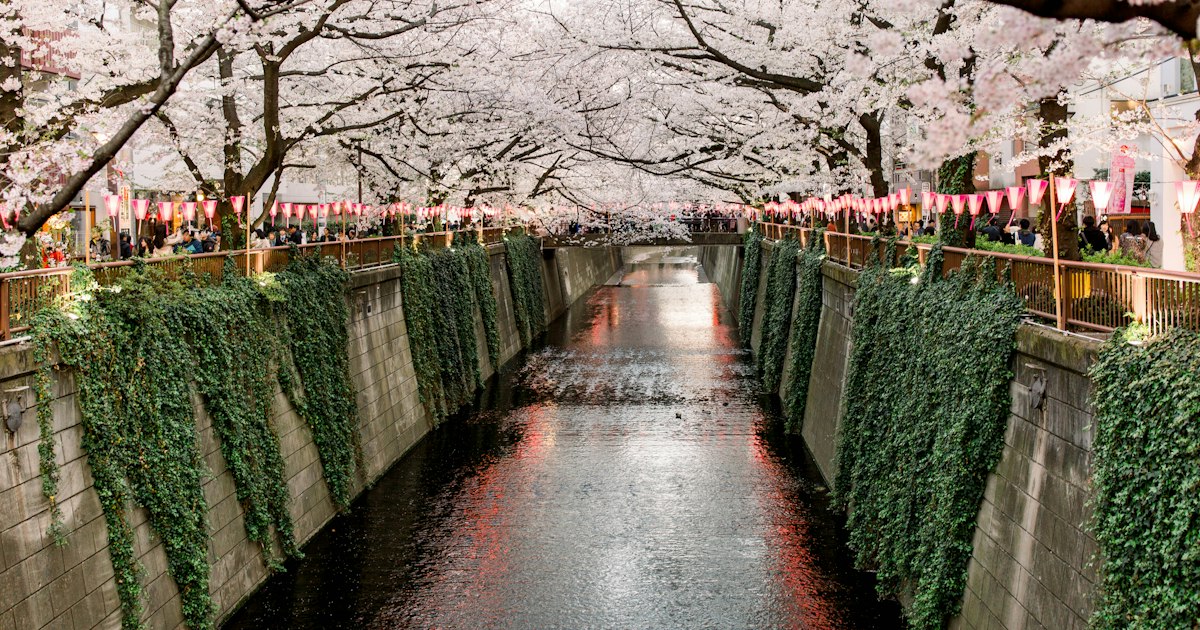
    Cherry blossoms typically peak in Tokyo between late March and the first week of April, and Nakameguro is one of the city’s most photographed hanami spots because the trees form a tunnel directly over the river. During peak bloom, the Nakameguro Sakura Festival hangs paper lanterns along the water for evening illumination, usually running until around 9pm. The catch: this is also when the neighborhood is at its most crowded, with the riverside path reduced to a slow shuffle on weekend afternoons. If you want photos without a wall of people, go on a weekday morning before 9am, or accept the crowds and enjoy the festival atmosphere instead. Outside sakura season, the same walk is quiet and pleasant nearly any time of year, with the trees turning good shades of orange and red in late November.

    Cafes Worth the Detour

    Coffee is Nakameguro’s other main draw. Starbucks Reserve Roastery Tokyo (2-19-23 Kamimeguro), a four-story flagship with an on-site roaster, is the most famous stop — it opens at 7am and closes at 11pm, and lines can form on weekends, so an early morning or weekday visit is easiest. Drinks and small food items run roughly ¥600–¥1,800.

    For something more low-key, Onibus Coffee has a tiny original location tucked on a residential side street a few minutes from the station, serving single-origin pour-overs for around ¥500–¥600. It’s standing-room only inside, which keeps it from ever feeling like a tourist stop. A short walk toward Daikanyama brings you to Log Road Daikanyama, a row of shops built along a former train line that includes Spring Valley Brewery — a good spot for a flight of craft beer (around ¥1,500–¥2,000) if coffee isn’t your thing. If you’re chasing dessert rather than caffeine, Nakameguro’s cafes lean toward pancakes and cheesecake rather than traditional sweets, but if you want to track down Japan’s classic custard treat elsewhere in the city, our guide to purin covers where to find the real old-fashioned version.

    Boutiques and Independent Shops

    Nakameguro’s shopping is small-scale and specific rather than mall-like, which is its appeal. Cow Books, an independent bookstore right on the riverside path, stocks used and rare titles (mostly Japanese, some English) and is open Tuesday to Sunday, roughly noon to 8pm, closed Mondays. Traveler’s Factory, near the station, is the flagship store for the Traveler’s Notebook brand and a good stop for anyone into stationery or journaling — leather notebook covers start around ¥5,000, with refills and accessories from ¥400.

    The area under the elevated train tracks near the station, redeveloped as a row of glass-fronted shops and restaurants, is worth a slow walk-through for fashion and homeware boutiques you won’t find in department stores. If you’re shopping for souvenirs with real craft behind them, keep an eye out for shops selling tenugui (traditional dyed cotton cloths, from about ¥1,000) — a lighter, cheaper alternative to ceramics for a suitcase. For something with more collector value, our guides to Edo Kiriko cut glass and sashiko and boro textiles point to specific Tokyo shops worth combining with a Nakameguro visit, since both crafts show up in the neighborhood’s better boutiques.

    Budget, Mid-Range, and Splurge

    • Budget (under ¥2,000): A pour-over at Onibus Coffee, a walk along the river, and window shopping under the elevated tracks costs almost nothing beyond a train fare and a coffee.
    • Mid-range (¥2,000–¥6,000): A drink and pastry at the Starbucks Reserve Roastery, plus a notebook or tenugui from one of the boutiques, fits comfortably in this range.
    • Splurge (¥6,000+): Several small izakaya and bistro restaurants along the river do multi-course lunches or dinners in the ¥5,000–¥10,000 range; pair one with a bottle from a boutique wine shop for a proper evening out.

    Common Mistakes to Avoid

    The biggest mistake is timing: full bloom only lasts about a week to ten days, and it shifts year to year depending on spring weather, so check a current-year sakura forecast rather than assuming late March will always work. The second is assuming the whole neighborhood is walkable in twenty minutes — the interesting shops and cafes spread out over both banks of the river and into the side streets toward Daikanyama, so budget at least two hours if you want to actually browse rather than just photograph the trees. Third, many of the smaller boutiques and cafes close one day a week (often Monday or Tuesday) and don’t open until 11am or noon, so this isn’t a neighborhood for an early-morning shopping run outside of the coffee spots. Finally, cash still matters here — some of the smallest independent shops and cafes are card-only or cash-only in either direction, so carry some yen as a backup.

    A Good Half-Day Plan

    Start at Nakameguro Station around 9 or 10am, walk the river path toward Daikanyama while the crowds are thin, stop for coffee at Onibus or the Roastery, browse Cow Books and the under-track shops as they open around 11am–noon, and finish with a late lunch at one of the riverside bistros before the afternoon crowds arrive. It’s an easy add-on to a Shibuya or Daikanyama day, and unlike many Tokyo neighborhoods built for one big attraction, Nakameguro rewards simply wandering.

  • Ryogoku: Tokyo’s Sumo District & Where to Eat Chanko Nabe

    Ryogoku: Tokyo’s Sumo District & Where to Eat Chanko Nabe

    Photo by Martin Pfirrmann on Unsplash

    Most visitors to Tokyo never make it east of the Sumida River, which is exactly why Ryogoku feels different from the rest of the city. This unassuming neighborhood has been sumo’s home turf since the Edo period, and it’s still where wrestlers train, compete, and — crucially for hungry travelers — where the stew that built their bodies is served in dozens of no-nonsense restaurants. Whether you time your trip around a tournament or just wander through on an ordinary Tuesday, Ryogoku offers one of Tokyo’s most distinctive half-day (or full-day) outings.

    Why Ryogoku Is Tokyo’s Sumo Capital

    Ryogoku Kokugikan, the national sumo arena, has anchored this district since 1985 (an earlier version stood here from 1909). Around it cluster dozens of sumo-beya (training stables) where wrestlers live communally and train under strict hierarchy, plus the Sumida Hokusai Museum and the Edo-Tokyo Museum, both within a short walk. Street-level details give the neighborhood away even when nothing is happening at the arena: bronze plaques set into the sidewalk mark the handprints of past yokozuna, and stable names are posted on nondescript buildings that look like apartment blocks from the outside.

    Watching a Grand Sumo Tournament at Ryogoku Kokugikan

    Three of Japan’s six annual Grand Sumo tournaments (honbasho) are held in Tokyo, at Ryogoku Kokugikan: January, May, and September, each running 15 consecutive days starting on a Sunday. If your trip lines up with one of these windows, it’s worth building a day around it — the atmosphere, with fans cracking open bento and beer as the ranks climb toward the top-division bouts in late afternoon, is unlike anything else in Tokyo.

    Ticket prices vary widely by seat type: same-day unreserved balcony seats (jiyuseki) run around ¥2,200 and are sold at the box office from early morning on tournament days — arrive well before opening if you want one, as they sell out fast. Arena chair seats (isu-seki) generally fall between ¥3,800 and ¥11,300, while ringside box seats (masu-seki), sold for groups of 2-4 sitting on cushions, can run ¥10,000-¥20,000+ per person. Advance tickets go on sale roughly a month before each tournament through the Japan Sumo Association’s official ticket site. Top-division wrestlers usually enter the ring from around 3:30pm, with the final bouts finishing around 6pm, so a half-day visit is enough even if you arrive mid-afternoon.

    Outside tournament dates, the Sumo Museum inside the Kokugikan building is still open on weekdays (free entry when no honbasho is running) and displays wrestler portraits, ceremonial aprons, and historical woodblock prints — a good consolation if your dates don’t align with a basho.

    Catching a Morning Practice Session

    If you can’t catch a tournament, watching a stable’s morning practice (asageiko) is arguably the more intimate experience. Training typically runs from around 7am to 10am, and a handful of stables allow outside visitors, though rules change often and etiquette is strict — silence, no flash photography, and sitting exactly where you’re told. Because access shifts season to season and some stables only accept visitors through an approved guide or tour operator, it’s worth booking through a reputable sumo-stable tour company rather than showing up unannounced.

    What Is Chanko Nabe, and Why Do Wrestlers Eat It?

    Chanko nabe is the communal hot pot that fuels a sumo wrestler’s enormous caloric needs — a simmering pot of chicken or fish broth loaded with vegetables, tofu, and meat or seafood, usually eaten alongside heaps of rice and beer to add bulk. Chicken-based chanko is the most traditional version (chicken stands on two legs, considered more auspicious for a wrestler who shouldn’t “fall” to all fours), but modern chanko restaurants serve miso, soy-based, and even sukiyaki-style variations. Because stables cook enormous batches daily, many retired wrestlers open restaurants after their careers end, which is why Ryogoku has one of the highest concentrations of chanko restaurants anywhere in Japan — several run by former rikishi themselves.

    Best Chanko Nabe Restaurants in Ryogoku

    Budget: Look for lunch teishoku (set meal) deals, which many chanko shops offer on weekdays for around ¥1,500-¥2,000 — a bowl of chanko, rice, and pickles. This is the cheapest way to try the real thing without committing to a full dinner course.

    Mid-range: Chanko Tomoegata and Chanko Kirishima (the latter founded by a former sekiwake-ranked wrestler) both serve dinner courses in the ¥3,500-¥6,000 range, with tatami seating and a genuinely sumo-world atmosphere — photos, banners, and memorabilia line the walls. Chanko Kawasaki, one of the oldest chanko restaurants in the city (dating to the 1930s), is beloved for its rich, old-school chicken broth; note it’s closed on Sundays and Mondays, so plan around that.

    Splurge: Chanko Yoshiba is the standout special-occasion pick — it occupies the actual building of a former sumo stable, complete with a real indoor dohyo (ring) you can sit around while you eat. Full-course dinners with premium ingredients and private rooms run roughly ¥8,000-¥12,000 per person, and it’s worth booking ahead, especially on weekends.

    A note on logistics: many chanko restaurants close between lunch and dinner service (roughly 2pm-5pm) and some don’t take walk-ins in the evening during busy periods, so reserving by phone or through your hotel concierge is a good idea if you have a specific restaurant in mind.

    Getting There and Practical Tips

    Ryogoku Station is served by both the JR Sobu Line (local trains only — the rapid service doesn’t stop here) and the Toei Oedo subway line. From the JR station’s west exit, it’s about a 5-minute walk to Kokugikan; the sumo-plaque-lined sidewalks make the walk itself part of the experience. If you’re arriving with luggage straight from the airport or before a shinkansen departure, it’s worth stashing bags in a coin locker near the station rather than lugging them through the arena crowds — see our guide to coin lockers in Japan for sizes and pricing.

    The best time to visit is clearly during a January, May, or September honbasho, but even off-season, Ryogoku is a worthwhile half-day trip paired with the Sumida Hokusai Museum or a stroll along the river toward Tsukishima, another Tokyo neighborhood with its own singular food culture — see our guide to monjayaki in Tsukishima. If you’re building a broader itinerary of Tokyo’s old-fashioned neighborhoods, Ryogoku pairs naturally with Ameyoko Market in Ueno or Sugamo’s old-fashioned shopping street, both a short train ride away.

    Common Mistakes to Avoid

    Don’t assume same-day tickets will be available for popular tournament days — the final weekend of each basho, when championship bouts are decided, sells out well in advance. Don’t visit expecting Ryogoku Kokugikan to be active year-round; outside the three Tokyo tournament months, the arena itself is quiet, so build your trip around the museum and restaurants instead. And don’t skip reservations for dinner at well-known chanko spots like Yoshiba or Kawasaki, especially on weekends — these are neighborhood institutions with limited seating, not tourist-volume restaurants built to handle walk-in crowds.

  • Sugamo: Tokyo’s Old-Fashioned Shopping Street Known as “Grandma’s Harajuku”

    Sugamo: Tokyo’s Old-Fashioned Shopping Street Known as “Grandma’s Harajuku”

    Photo by pen_ash on Unsplash

    Skip the neon and the crowds for a morning and head to Sugamo, a neighborhood in northern Tokyo where the shopping street still moves at a grandmother’s pace. Locals call it “Obaachan no Harajuku” — Grandma’s Harajuku — because it’s the place where Tokyo’s senior citizens come to shop, pray, and gossip over rice crackers, the same way teenagers flock to Harajuku’s Takeshita-dori. It’s unpolished, cheap, and one of the most genuinely local shopping experiences left in central Tokyo.

    Why Sugamo Is Called “Grandma’s Harajuku”

    The nickname isn’t just cute marketing — it’s an accurate description of the crowd. Jizo-dori, the roughly 800-meter covered-and-open shopping street at the heart of Sugamo, is lined with shops selling exactly what an older Japanese shopper wants: sensible clothing, folk remedies, traditional sweets, and religious goods, all at prices that haven’t caught up with inflation elsewhere in Tokyo. There’s no flagship fashion brand here and nothing aimed at tourists. That’s the appeal — you’re seeing how a Tokyo shopping street functioned before department stores and konbini took over, and how it still functions for the generation that grew up with it.

    If you enjoyed the gritty, deal-hunting energy of Ameyoko Market near Ueno, Sugamo scratches a similar itch but with a completely different clientele and merchandise — think slippers and salted rice crackers instead of sneakers and fresh seafood.

    Kogan-ji Temple and the Washing Kannon Statue

    The spiritual center of Sugamo is Kogan-ji Temple, better known as Togenuki Jizo-son (“the thorn-removing Jizo”). Legend holds that a maidservant swallowed a needle and was cured after praying to an image of the temple’s Jizo, and the temple has been associated with healing ever since. Most visitors don’t see the actual Jizo statue — it’s a hibutsu, a hidden image kept out of public view — but everyone lines up for the Arai Kannon, a stone Kannon statue in the temple courtyard. The custom is simple: buy a thin cloth (tenugui) from the stall nearby, dip it in water, and rub the part of the statue that corresponds to whatever ails you. Decades of grateful scrubbing have visibly worn down the statue’s face and shoulders.

    The temple grounds are free to enter and open from early morning to early evening; the main hall’s office for omamori and goshuin generally keeps daytime hours, roughly 9am to 4pm. The street and temple are busiest on “four days” — the 4th, 14th, and 24th of every month — when a temple market (ennichi) fills the street with extra stalls. If you want the full old-Tokyo atmosphere, time your visit for one of those dates; if you’d rather browse without the crowds, go on any other weekday morning.

    What to Shop For on Jizo-dori

    Sugamo’s signature souvenir is red underwear. Red has long been considered an auspicious, health-protecting color in Japanese folk belief, particularly for the lower back and hips, and multiple shops along the street sell nothing but red long johns, red socks, and red waistbands, typically priced from around ¥1,000 to ¥3,000. It sounds like a novelty until you realize half the shoppers around you are buying it in bulk for their own use, not as a joke gift.

    Food is the other reason to come. Look for shops selling shio daifuku (salt-flavored mochi with sweet bean paste) for around ¥120–200 apiece — the salt-sweet balance is a local specialty and lines form outside the most popular shops by mid-morning. There’s also a well-known senbei (rice cracker) shop on the street selling oversized, hand-grilled crackers in the ¥300–800 range per pack, plus general dagashi-style candy stalls where nothing costs more than a few hundred yen. If you like the idea of hunting down region-specific sweets, it pairs well with a stop at a taiyaki or imagawayaki stand — read our guide to taiyaki and imagawayaki before you go so you know what to order.

    Clothing shops here sell practical, generously cut basics — cardigans, house shoes, aprons — rather than fashion. It’s a good place to find a genuinely useful, inexpensive souvenir instead of another keychain.

    Getting There, Hours, and Best Time to Visit

    Sugamo Station is on the JR Yamanote Line and the Toei Mita Line, about 20–25 minutes from Tokyo Station or Shinjuku with no transfer needed if you’re already near a Yamanote Line stop. From the station, Jizo-dori is a two-minute walk and runs roughly 800 meters to Koshinzuka Station on the Toei Arakawa Line (the “Sakura Tram”), so you can walk the street in one direction and hop on a different train at the far end.

    Most shops open between 9:30am and 10am and close by around 6pm, with irregular closing days that vary shop to shop, so this is a daytime destination rather than an evening one. Weekday mornings are calm and pleasant; the 4/14/24 market days are lively but crowded, especially around the temple. Spring and autumn are the most comfortable seasons to walk the street, but Sugamo works year-round since most of it is covered or has awnings.

    Because it’s compact and low-key, Sugamo is easy to combine with another neighborhood in a single day — it pairs naturally with a stop in Kichijoji if you want to contrast old Tokyo with one of the city’s most popular residential shopping areas, though note they’re on opposite sides of the city, so pick one per day rather than rushing between them.

    Budget, Mid-Range, and Splurge Picks

    • Budget: A tenugui cloth for the Arai Kannon ritual (a few hundred yen) plus a bag of dagashi candy — you can have a full experience for under ¥1,000.
    • Mid-range: A red underwear set (¥1,000–3,000) and a box of shio daifuku or senbei to bring home (¥500–1,000) makes a satisfying, authentically local souvenir haul for ¥2,000–4,000.
    • Splurge: Some shops along the street sell higher-quality wool or cashmere cardigans and traditional textiles in the ¥5,000–15,000 range — good options if you want a genuinely warm, well-made piece of clothing rather than a trinket.

    Common Mistakes to Avoid

    Don’t visit expecting a fast, tourist-oriented experience — many shopkeepers are older and don’t speak English, menus and labels are almost entirely in Japanese, and cash is still king in a lot of the smaller stalls, so bring yen rather than relying on cards. Don’t skip the Arai Kannon ritual out of shyness; it’s normal and expected, and nobody will mind a foreign visitor joining in respectfully. Don’t come in the evening — this is a daytime, temple-market street, and by 6 or 7pm most shutters are down. Finally, don’t rush it: Sugamo rewards slow browsing far more than a quick photo stop, so budget at least 90 minutes to walk the full street, visit the temple, and actually eat something.

    If you’re carrying luggage on a day trip that includes Sugamo, it’s worth checking our guide to coin lockers in Japan so you’re not lugging a suitcase up and down a crowded temple market.

  • Ameyoko Market: Ueno’s Bargain Shopping Street Guide

    Ameyoko Market: Ueno’s Bargain Shopping Street Guide

    Photo by Luke Galloway on Unsplash

    Wedged into the elevated train tracks between Ueno and Okachimachi stations, Ameyoko is Tokyo’s loudest, cheapest, and most chaotic shopping street — and that’s exactly the point. Vendors shout out prices, dried fish and fresh tuna sit side by side with discount sneakers and knockoff sunglasses, and nobody minds if you just want to wander and snack your way through. Here’s how to actually shop it well.

    What Is Ameyoko Market?

    Ameyoko — short for Ameya-Yokocho, “candy shop alley” — grew out of the black markets that sprang up around Ueno Station after World War II. Some vendors sold homemade candy (ame) when sugar was scarce; others say the name comes from “America,” since imported American goods were a big part of the early trade. Either way, the bargain-market identity stuck. Today it’s about 500 meters of narrow street and covered arcade, packed with roughly 400 shops and stalls selling everything from fresh seafood and dried bonito flakes to cosmetics, luggage, army surplus jackets, and bags of imported snacks.

    It’s not a polished, curated experience — it’s a working market that locals still use for cheap groceries, especially around New Year’s. That’s part of the charm.

    How to Get There

    Ameyoko runs directly alongside and under the JR train tracks connecting Ueno and Okachimachi stations, so it’s easy to reach from several directions:

    • JR Ueno Station (Yamanote, Keihin-Tohoku, Utsunomiya, Takasaki, Joban lines) — use the Hirokoji exit or Shinobazu exit, about a 1-2 minute walk.
    • JR Okachimachi Station — exit and you’re at the south end of the market immediately.
    • Ueno-hirokoji Station (Ginza Line) or Naka-okachimachi Station (Oedo Line) also drop you within a couple minutes’ walk.

    If you’re coming straight from Narita or Haneda with luggage, it’s worth stashing your bags before you dive in — the alleys get narrow and crowded fast. See our guide to coin lockers in Japan for sizes and prices; Ueno Station has a large bank of lockers near most exits.

    What to Buy (and What It Costs)

    Ameyoko is really several markets stacked together:

    • Dried seafood and snacks: Bags of dried squid, small fish, and seaweed snacks typically run ¥300-800. This is one of the best places in Tokyo to buy bulk katsuobushi (dried bonito flakes) or niboshi for making dashi at home.
    • Fresh seafood: Whole tuna, uni, king crab legs, and sea urchin are sold by weight, with prices posted (and often shouted). Expect to pay a premium versus a supermarket for the best cuts, but well below department-store prices — a small tray of uni might run ¥1,000-3,000 depending on grade and season.
    • Fruit: Whole melons, strawberries, and mixed fruit cups are sold cheap by street-stall standards, often ¥300-500 for a cup.
    • Sneakers and bags: Several multi-floor stores sell brand-name sneakers and sports gear at discount prices, particularly worth checking if you wear common sizes.
    • Cosmetics and drugstore goods: A few shops specialize in discounted Japanese skincare and makeup — good for gift-buying, but compare a couple of stores since pricing isn’t always uniform.
    • Imported and ethnic foods: A legacy of the postwar import trade, several stalls sell spices, snacks, and ingredients from India, Southeast Asia, and beyond — unusual for a “Japanese souvenir” street and worth a look if you cook.

    Prices are mostly fixed and posted, but at the seafood and fruit stalls it doesn’t hurt to ask if there’s a deal on the last few pieces, especially later in the day.

    Street Food to Try Along the Way

    You don’t need a sit-down meal here — the fun is grazing. Look for grilled skewers, fried gyoza, fresh-cut fruit, and stalls doing takoyaki or okonomiyaki-style griddle snacks. If you want something sweet, keep an eye out for taiyaki and imagawayaki stands nearby; we cover both in our guide to Japan’s fish-shaped sweet snacks. Most street food here costs ¥200-600 per item, so it’s easy to sample five or six things without denting your budget.

    Best Time to Visit

    Most shops open around 10:00am and close between 7:00 and 8:00pm, though hours vary by vendor since almost every stall is independently owned — don’t expect uniform closing times, and a few shops close midweek. Weekday mornings and early afternoons are noticeably calmer than weekend afternoons, when the main strip can get shoulder-to-shoulder.

    The single busiest, most iconic time to visit is December 30-31, when Tokyo households descend on Ameyoko to buy osechi (New Year’s food) ingredients — crab, fish roe, mochi, dried goods — and vendors shout deals over a wall of noise. It’s a genuine spectacle and worth experiencing once, but go in expecting crowds, not a leisurely browse. If you want that energy without the peak crush, the last week of December generally is livelier than any other time of year.

    Common Mistakes to Avoid

    • Assuming card payment everywhere: Many stalls, especially food and small goods vendors, are cash-only. Carry yen in small bills.
    • Expecting to haggle everywhere: Some seafood and fruit vendors will deal, particularly near closing time, but most shops post fixed prices and haggling isn’t the norm — don’t push it at cosmetics or clothing stores.
    • Photographing vendors and stalls without asking: Some sellers don’t mind, others do, particularly at small family-run counters. Ask first.
    • Buying fresh seafood without a way to keep it cold: If you’re not eating it same-day, think twice before buying raw fish or uni — most hotel rooms don’t have proper refrigeration for it. Dried goods travel much better.
    • Only sticking to the main strip: The parallel side alleys (particularly toward Okachimachi) have some of the better bargains and are much less crowded than the central covered arcade.

    Budget, Mid-Range, and Splurge Picks

    Budget (under ¥1,000): A bag of dried snacks, a cup of cut fruit, and a couple of skewers or a taiyaki makes for a filling, cheap grazing session.
    Mid-range (¥1,000-5,000): A gift box of assorted dried seafood or bonito flakes, a pair of discount sneakers, or a modest tray of fresh seafood to eat that day.
    Splurge (¥5,000+): Premium uni, whole king crab legs, or a large seafood gift set for bringing home to family — just confirm it’ll survive your travel day before committing.

    Ameyoko pairs naturally with a broader Ueno day — the park, museums, and zoo are a short walk away — but if you want to compare it against Tokyo’s other great neighborhood-shopping experience, our guide to Kichijoji’s shops and Inokashira Park is a good next stop, and food lovers heading back toward the bay can follow up with Tsukishima’s monjayaki district for dinner.

  • Kichijoji: Tokyo’s Most Livable Neighborhood — Inokashira Park & Shopping

    Kichijoji: Tokyo’s Most Livable Neighborhood — Inokashira Park & Shopping

    Photo by Su San Lee on Unsplash

    Ask Tokyoites where they’d most like to live and Kichijoji comes up almost every time. This leafy, walkable neighborhood in western Tokyo has topped SUUMO’s annual “most desirable place to live” ranking for years running, and it’s easy to see why once you’re standing at the edge of Inokashira Park with a coffee in hand. For visitors, Kichijoji offers something the Shibuya-Shinjuku-Ginza circuit doesn’t: a genuine residential feel, a big green park, one of Japan’s most-loved small museums, and a shopping scene built around independent boutiques rather than flagship stores. It’s an easy half-day or full-day trip from central Tokyo, and it rewards slow wandering more than a checklist.

    Getting to Kichijoji

    Kichijoji Station is served by two lines, which makes it convenient from almost anywhere in the city. The JR Chuo Line rapid train from Shinjuku takes about 14 minutes (around ¥230). From Shibuya, hop on the Keio Inokashira Line — a semi-express (kyuko) train gets you there in roughly 16–17 minutes for about ¥200–250. There’s no need to reserve seats or use a limited express; these are regular commuter trains, so expect standing room during weekday rush hours (7:30–9:00am and 5:30–7:30pm).

    The station itself has a maze of exits, but signs for “Park Exit” (Koen-guchi) will point you toward Inokashira Park, while the “North Exit” (Kita-guchi) leads to Sun Road and Harmonica Yokocho. If you’re arriving with luggage before continuing elsewhere in Tokyo, the station and nearby Yodobashi Camera building both have coin lockers — for sizing and pricing before you go, see this guide to coin lockers in Japan.

    Inokashira Park: Boating, a Jealous Goddess, and Cherry Blossoms

    Inokashira Park (Inokashira Onshi Koen) is a five-minute walk south of the station and centers on a long, willow-lined pond. Rowboats and swan-shaped pedal boats are available for rent from a dock near the pond’s north side, typically for around ¥700–800 per 30 minutes; the rental booth generally operates from 9:30am until dusk, though hours shift seasonally, so check the signage on arrival. There’s a local legend attached to the boats worth knowing: Benzaiten, the goddess enshrined at the small shrine on the pond’s island, is said to grow jealous of couples who ride together, supposedly cursing them to break up. Most Tokyoites treat it as a fun superstition rather than a real deterrent, but you’ll hear it mentioned often.

    The park also has a modest zoo and aquarium section (adult admission around ¥400), wooded walking paths, and a wide grassy square that fills with picnickers on weekends. If you want to eat park-side, pick up onigiri from a convenience store or supermarket on your way in rather than searching for food once you’re inside — our guide to onigiri covers what to look for and how to read the fillings. Cherry blossoms typically peak in late March to early April, when the pond becomes one of Tokyo’s best hanami spots and gets genuinely crowded; November brings a quieter but equally striking wash of autumn color.

    The Ghibli Museum

    At the park’s southwestern edge (technically just over the border in Mitaka) sits the Ghibli Museum, designed by Hayao Miyazaki himself. It’s small, whimsical, and deliberately light on English signage — the idea is to explore and discover rather than read placards. Adult tickets cost around ¥1,000, but the catch is that tickets are not sold at the door. They go on sale on the 10th of each month for entry dates in the following month, through the Lawson Ticket system (either online or at a Loppi machine in any Lawson convenience store), and popular entry slots — especially weekends — often sell out within hours. If a visit here matters to you, build your Tokyo dates around ticket availability rather than the other way around. The museum is closed on Tuesdays and has fixed timed-entry slots (10am, 12pm, 2pm, and 4pm), so arrive on time. Photography is not allowed inside, which is part of what keeps the experience feeling intimate.

    Harmonica Yokocho: Retro Alleys for Eating and Drinking

    Just north of the station, Harmonica Yokocho is a tight grid of alleyways lined with tiny bars, yakitori counters, and standing-room izakaya, many seating only six to ten people. The name comes from the narrow, tightly packed stalls resembling harmonica reeds — it dates back to a black-market area that sprang up after World War II and never lost its scrappy charm. This is a good place for an early dinner or a post-park drink; most spots open around 5pm, though a handful of coffee and food stalls run in the daytime too. Expect cash-only counters in many of the smaller bars, and don’t expect English menus — pointing at what your neighbor is eating works fine. It’s atmospheric rather than polished, which is exactly the appeal.

    Shopping in Kichijoji

    Kichijoji’s shopping strength is its density of independent shops rather than any single mega-mall. Sun Road, the covered arcade running from the station’s north exit, mixes bakeries, drugstores, and casual fashion and is the easiest starting point. Just beyond it, Nakamichi-dori and the surrounding backstreets are where Kichijoji earns its reputation among Tokyo locals: secondhand clothing stores, small press bookshops, and zakka (lifestyle goods) boutiques selling ceramics, stationery, and homeware from independent Japanese makers. If you’re building a collection of everyday Japanese housewares to bring home, keep an eye out for noren doorway curtains or simple lacquer and wood pieces in these shops — browsing here is a nice complement to more specialized craft-town shopping.

    For groceries or self-catering, Kichijoji has several supermarkets within a few minutes of the station, including budget chains that are popular with residents rather than tourists — a good chance to shop the way locals actually do; see our guide to Gyomu Super and local supermarkets for what to expect and how to navigate one. On the department-store end, Kirarina Kichijoji sits directly above the station’s south side, and a Yodobashi Camera electronics store is a short walk away if you need chargers, SIM cards, or last-minute electronics.

    Best Time to Visit and Common Mistakes

    Weekday mornings and early afternoons are the calmest time to explore — Kichijoji is a residential neighborhood first, so it doesn’t have the 24-hour buzz of Shinjuku, and many smaller shops open around 11am rather than earlier. Weekends, especially with good weather, bring heavy crowds to both the park and Sun Road. The most common mistake visitors make is treating Kichijoji as a quick stopover on the way to the Ghibli Museum without checking ticket availability first — by the time many travelers think to book, their preferred dates are gone. Book Ghibli tickets as early as the sale window allows, and treat the park, alleys, and shopping streets as worth a dedicated half-day even without a museum slot. The second common mistake is rushing straight from the station to the park without wandering Harmonica Yokocho or the backstreets around Nakamichi-dori — that unplanned wandering is where Kichijoji’s actual character lives.