Japan Trove

Category: Destinations & Day Trips

City and region guides beyond Tokyo — Kyoto, Osaka, Hokkaido, Okinawa and more.

  • Koyasan (Mount Koya): Temple Stays & Okunoin

    Koyasan (Mount Koya): Temple Stays & Okunoin

    Koyasan (Mount Koya) is one of Japan’s most spiritual places — a mountaintop temple town where you can sleep in a Buddhist temple, eat monk’s cuisine, and walk a lantern-lit cemetery at dawn. Here’s how to visit.

    What makes Koyasan special

    • Okunoin — a mesmerizing forest cemetery of 200,000 tombs and lanterns leading to the mausoleum of Kobo Daishi. Magical at night on a guided walk.
    • Danjo Garan & Kongobuji — the striking central temple complex and head temple.
    • Temple lodging (shukubo) — stay overnight in a working temple.

    Staying in a temple

    A shukubo stay is the highlight: simple tatami rooms, shojin ryori (Buddhist vegetarian cuisine), and optional morning prayers/meditation. It’s a peaceful contrast to the cities — book ahead, especially in autumn. See our traditional-stay guide for what to expect.

    Getting there

    • From Osaka: train to Gokurakubashi, then a cablecar up the mountain, then a short bus (a scenic half-day journey).
    • Consider the Koyasan-World Heritage ticket for transport savings; the JR Pass doesn’t cover the private line up.

    Tips

    • Do the Okunoin night walk — it’s the unforgettable part.
    • It’s cool and quiet up the mountain; bring layers even in summer. See our packing list.
    • Pairs well with Osaka and Kyoto.
  • Fukuoka Guide: Ramen, Food Stalls & Kyushu

    Fukuoka Guide: Ramen, Food Stalls & Kyushu

    Fukuoka, the gateway to Kyushu, is a laid-back food city loved for its ramen, open-air food stalls, and easy pace. It’s underrated by first-timers and perfect for a relaxed few days. Here’s what to do.

    Top experiences

    • Yatai food stalls — Fukuoka’s famous open-air street stalls, buzzing at night along the river and in Nakasu.
    • Hakata ramen — the rich tonkotsu (pork bone) ramen that made the city famous.
    • Ohori Park & Fukuoka Castle ruins — a relaxing central green space.
    • Canal City & Tenjin — shopping and entertainment districts.
    • Dazaifu Tenmangu — a beautiful shrine a short trip away.

    A springboard for Kyushu

    Use Fukuoka as a base to explore Kyushu — hot-spring towns like Beppu and Yufuin, and Nagasaki are within reach. Great for a longer itinerary.

    Getting there

    • The Sanyo Shinkansen reaches Hakata Station from Osaka (~2.5 hrs) and Hiroshima; see our bullet train guide.
    • Fukuoka Airport is unusually close to the city — minutes by subway. Grab an IC card.

    Tips

    • Go to a yatai at night for the full experience — cash only, small and social.
    • Try both tonkotsu ramen and mentaiko (spicy cod roe), a local specialty. See must-try food.
  • Yokohama Guide: Chinatown, Bay Views & Day Trips

    Yokohama Guide: Chinatown, Bay Views & Day Trips

    Yokohama, just south of Tokyo, is a breezy bayside city with Japan’s biggest Chinatown, a romantic waterfront, and great museums. It’s one of the easiest and most rewarding day trips from the capital. Here’s the guide.

    What to see & do

    • Minato Mirai — the futuristic harbor district with the Landmark Tower, a Ferris wheel, and Cup Noodles Museum.
    • Yokohama Chinatown — Japan’s largest, packed with street food and restaurants.
    • Red Brick Warehouse & Osanbashi Pier — waterfront shopping, events, and skyline views.
    • Sankeien Garden — a beautiful traditional garden with historic buildings.
    • Ramen Museum — regional ramen in a retro-themed hall.

    Why it’s a great day trip

    Only about 30 minutes from central Tokyo, Yokohama makes an easy half- or full-day escape with a completely different, seaside feel. See more day trips from Tokyo.

    Getting there

    • ~30 min from Tokyo/Shibuya by train; grab an IC card.
    • The waterfront is walkable; the Minato Mirai area is compact.

    Tips

    • Come hungry — Chinatown is best for grazing on street snacks.
    • The harbor is gorgeous at night when Minato Mirai lights up.
    • Pair with the rest of our Tokyo guide.
  • Kobe Travel Guide: Beef, Sake & Harbor Views

    Kobe Travel Guide: Beef, Sake & Harbor Views

    Kobe is one of Japan’s most stylish port cities — famous worldwide for its beef, framed by mountains and sea, and packed with charm. It’s an easy add to any Kansai trip. Here’s what to do.

    Top things to do

    • Kobe beef — the legendary wagyu; splurge on a teppanyaki lunch to save over dinner.
    • Kitano-cho — a hillside district of preserved Western-style merchant houses (ijinkan).
    • Mount Rokko & Nunobiki Herb Gardens — ropeway views over the bay, spectacular at night.
    • Nada sake district — Japan’s top sake-brewing area with tasting breweries; see our sake guide.
    • Harborland & Meriken Park — a relaxed waterfront with the Kobe Port Tower.

    Day trips & nearby

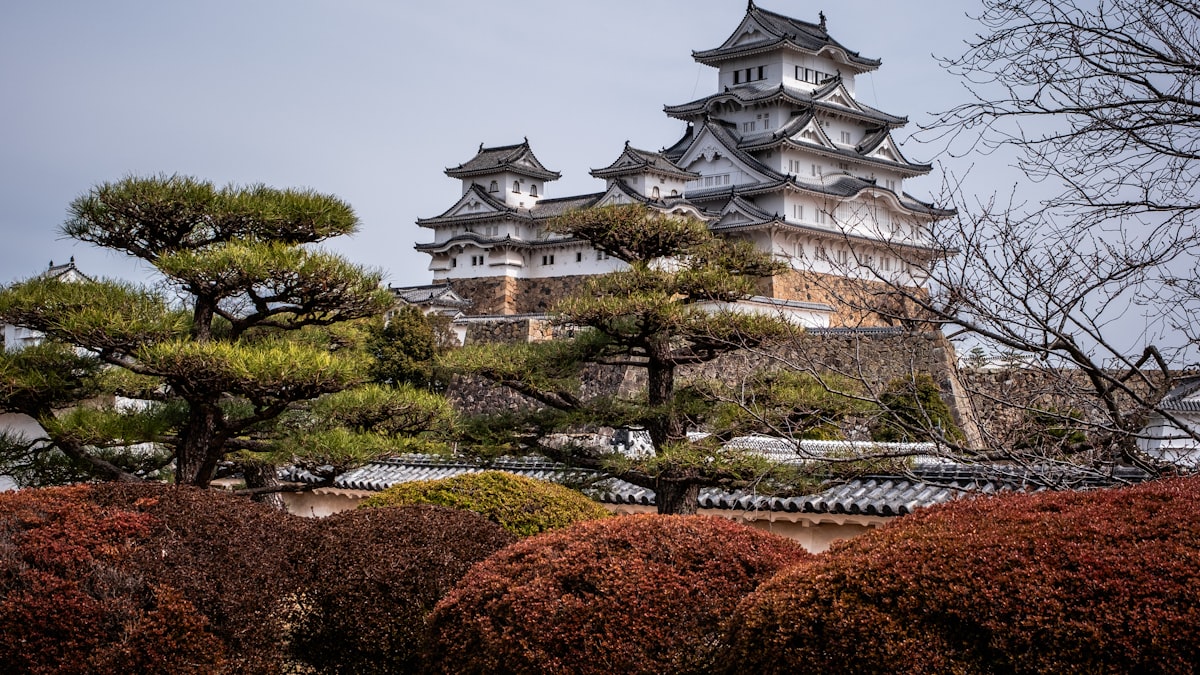
    Kobe pairs perfectly with Osaka and Kyoto, and Himeji Castle is a short hop west. Add it to a longer itinerary.

    Getting there

    • ~30 min from Osaka, ~30 min from Kyoto by train (covered by the JR Pass).
    • Compact and walkable; grab an IC card.

    Tips

    • Book a well-known Kobe beef restaurant ahead, or go at lunch for better value.
    • The Mt. Rokko night view is worth timing for sunset.
    • It works as a day trip, but an overnight lets you enjoy the night views. See day-trip planning tips.
  • Hakone Travel Guide: Onsen, Mt. Fuji Views & the Loop

    Hakone Travel Guide: Onsen, Mt. Fuji Views & the Loop

    Some links below are affiliate links. If you book through them, Japan Trove may earn a small commission at no extra cost to you.

    Hakone is the classic hot-spring escape from Tokyo — onsen ryokan, Mt. Fuji views, open-air art, and a fun loop of quirky transport. It’s a perfect one- or two-night trip. Here’s how to do it.

    The Hakone loop

    Half the fun is the circuit of transport that links the sights: train, switchback railway, cablecar, ropeway, and a pirate-ship cruise on Lake Ashi. The Hakone Free Pass covers most of it and saves money.

    What to see & do

    • Onsen — the whole point; soak at a ryokan or day-use bath. Tattooed? See our tattoo & onsen guide.
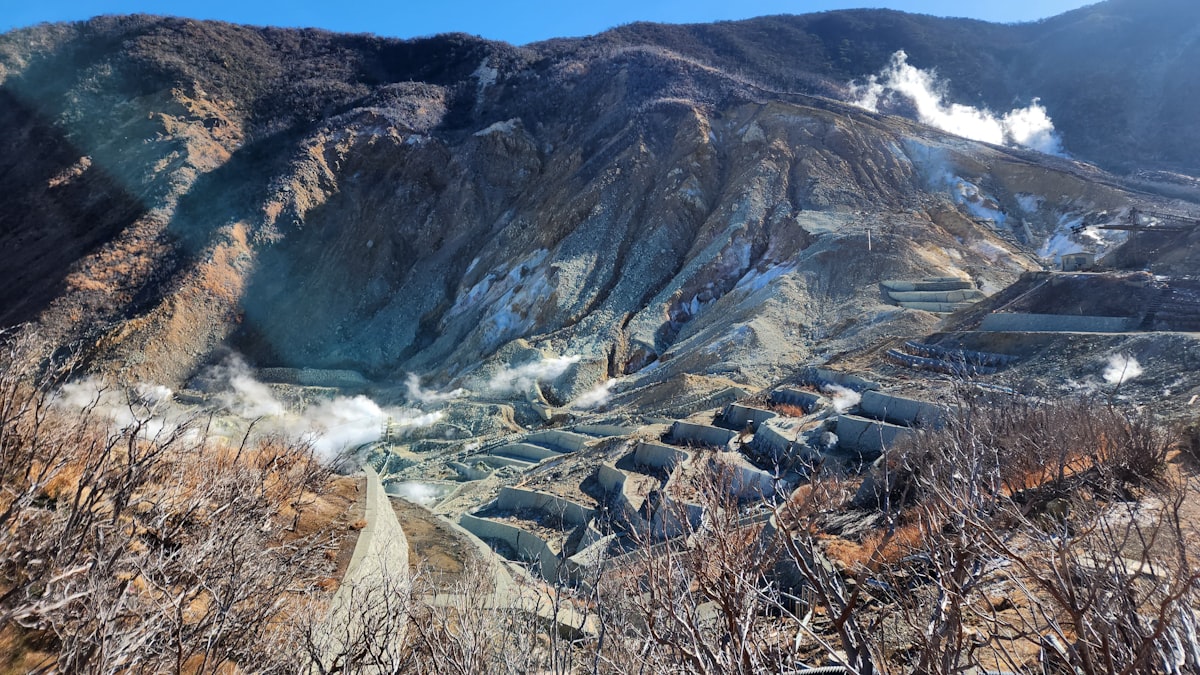
    • Owakudani — a volcanic valley with steam vents and black eggs boiled in the springs.
    • Lake Ashi — Fuji views and the Hakone Shrine torii on the water.
    • Hakone Open-Air Museum — sculptures and a Picasso collection.
    • Mt. Fuji views — on clear days; see how to see Mt. Fuji.

    Where to stay

    Hakone is ryokan country — book one with an onsen (private baths help if you have tattoos). Reserve early for weekends and autumn; compare on Booking.com .

    Getting there

    • About 1.5 hours from Shinjuku on the Odakyu line (the Romancecar is a comfy direct option).
    • The Hakone Free Pass bundles the round trip plus the loop transport.
    • Grab an eSIM for maps and timetables.

    Day trip vs overnight

    You can loop Hakone as a long day trip, but staying overnight lets you enjoy the onsen properly and catch clearer morning Fuji views. Fold it into a 7-day itinerary.

  • Universal Studios Japan (USJ): Nintendo World & Tips

    Universal Studios Japan (USJ): Nintendo World & Tips

    Some links below are affiliate links. If you book through them, Japan Trove may earn a small commission at no extra cost to you.

    Universal Studios Japan (USJ) in Osaka is one of the world’s most popular theme parks — home to the original Super Nintendo World and an incredible Wizarding World of Harry Potter. Here’s how to plan it.

    The headline lands

    • Super Nintendo World — ride Mario Kart, explore a life-size Mushroom Kingdom, and use a Power-Up Band to play throughout the land.
    • The Wizarding World of Harry Potter — Hogwarts, Hogsmeade, and the excellent Forbidden Journey ride.
    • Thrill rides — Hollywood Dream, the Flying Dinosaur, and more.
    • Seasonal events — Halloween Horror Nights and Universal Cool Japan collaborations are hugely popular.

    Tickets & skipping lines

    • Buy dated tickets in advance — the park can sell out on peak days.
    • Super Nintendo World may require an Area Timed Entry ticket (free, via the app) or an Express Pass on busy days — check before you go.
    • Express Passes (paid) cut wait times on headliner rides — worth it at peak.
    • Compare tickets and Express Passes on Klook .

    Smart planning

    • Avoid weekends and Japanese holidays like Golden Week; weekdays are calmer.
    • Arrive before opening to head straight for Nintendo World or Harry Potter.
    • Use the official app for wait times and timed-entry.
    • Stay nearby for early access — compare hotels on Booking.com .

    Getting there

    USJ has its own station (Universal City) a short train ride from Osaka Station. Grab an IC card and see our Osaka guide for the rest of your trip. Traveling with children? See Japan with kids.

    Tips

    • Bring a portable charger — you’ll live in the app all day.
    • Budget for merch (the Nintendo and Harry Potter shops are irresistible).
    • Pair with Tokyo Disney if you love theme parks.
  • Kamakura Day Trip: The Great Buddha, Temples & Coast

    Kamakura Day Trip: The Great Buddha, Temples & Coast

    Kamakura is the easy coastal escape from Tokyo — a former samurai capital packed with temples, a giant Buddha, hiking trails, and beach-town charm. Perfect for a day trip.

    What to see

    • The Great Buddha (Daibutsu) — a 13-meter bronze Buddha at Kotokuin, Kamakura’s icon.
    • Hasedera — a hillside temple with sea views, gardens, and a giant Kannon statue.
    • Tsurugaoka Hachimangu — the grand central shrine, reached via the Komachi-dori shopping street.
    • Hokokuji — a serene bamboo-grove temple with matcha.
    • Enoshima — a nearby island with a shrine, caves, and views (great add-on).

    Beach & hikes

    • Kamakura’s beaches are a summer hangout (more for atmosphere than swimming).
    • The Daibutsu hiking trail links temples through the hills — an easy, scenic walk.
    • Ride the nostalgic Enoden tram along the coast to Enoshima.

    Getting there

    • About 1 hour from Tokyo/Shinjuku by JR (covered by the JR Pass).
    • A Kamakura–Enoshima pass can be handy for the Enoden line.
    • Grab an IC card and go early to beat crowds.

    Eat & shop

    Komachi-dori is lined with street snacks, matcha treats, and souvenir shops — try shirasu (whitebait) dishes, a local specialty. More ideas in must-try Japanese food.

    Tips

    • Weekends and holidays get very busy — start early or go midweek.
    • Comfortable shoes for temple hills and the hiking trail.
    • Pairs well with other day trips from Tokyo; fold into your itinerary.

    A suggested half-day route

    A smooth loop: start at Hasedera and the Great Buddha in the Hase area (a short Enoden ride from Kamakura Station), then head back toward the center for Komachi-dori street food and Tsurugaoka Hachimangu. With more time, ride the Enoden west along the coast to Enoshima for sunset. Going early keeps you ahead of the crowds at the Buddha and the shrine.

  • Nikko Day Trip from Tokyo: Shrines, Waterfalls & Lakes

    Nikko Day Trip from Tokyo: Shrines, Waterfalls & Lakes

    Nikko is one of the best day trips (or overnights) from Tokyo — a mountain town where ornate shrines meet waterfalls, lakes, and hot springs. Here’s how to do it.

    What to see

    • Toshogu Shrine — the lavishly decorated mausoleum of shogun Tokugawa Ieyasu; look for the famous “hear/see/speak no evil” monkeys and the sleeping cat.
    • Rinnoji Temple and the surrounding UNESCO-listed shrine complex.
    • Shinkyo Bridge — the iconic vermilion bridge over the river.
    • Kegon Falls — a dramatic 97-meter waterfall near Lake Chuzenji.
    • Lake Chuzenji & Irohazaka — a scenic highland area up a hairpin road (spectacular in autumn).

    Day trip vs overnight

    You can see the shrines as a day trip, but adding the lake and falls (a bus ride up the mountain) makes for a long day — an overnight lets you enjoy the highlands and an onsen too. See other day trips from Tokyo.

    Getting there

    • From Tokyo (Asakusa), the Tobu line runs direct to Nikko in about 2 hours; JR routes also work with the JR Pass.
    • Consider a Nikko area pass if you’ll use the local buses to the lake and falls.
    • Buy an IC card for the trains.

    When to go

    • Autumn is legendary for foliage — and very busy; go early. See autumn leaves in Japan.
    • Spring and summer are lush and cooler than the city.
    • Winter is cold and snowy up the mountain — beautiful but check bus schedules.

    Tips

    • Start early — the shrines and the mountain together fill a full day.
    • The Irohazaka road and buses get congested in peak autumn weekends.
    • Bring layers; the highlands are much cooler than Tokyo. Add it to your itinerary.
  • Kanazawa Travel Guide: Gardens, Gold Leaf & Seafood

    Kanazawa Travel Guide: Gardens, Gold Leaf & Seafood

    Kanazawa is one of Japan’s most rewarding smaller cities — a beautifully preserved castle town with one of the country’s finest gardens, gold-leaf crafts, and superb seafood. Here’s how to visit.

    Top sights

    • Kenrokuen Garden — ranked among Japan’s three great gardens; stunning in every season.
    • Kanazawa Castle — right next to the garden.
    • Higashi Chaya District — atmospheric old teahouse streets, great for gold-leaf treats and crafts.
    • Nagamachi — a preserved samurai quarter.
    • 21st Century Museum of Contemporary Art — playful modern art, including the famous “swimming pool.”

    Food & crafts

    • Omicho Market — fresh seafood; try a kaisendon (seafood rice bowl).
    • Gold leaf (kinpaku) — Kanazawa makes most of Japan’s gold leaf; even gold-topped soft-serve.
    • Kutani ware & Kaga crafts — beautiful ceramics and lacquer; see our Japanese ceramics guide.

    Getting there

    • The Hokuriku Shinkansen connects Tokyo to Kanazawa in about 2.5–3 hours (covered by the JR Pass).
    • It pairs naturally with Takayama & Shirakawa-go by bus for an “old Japan” loop.
    • Easy to add between Tokyo and Kyoto — see our 14-day itinerary.

    How long to stay

    One to two nights is ideal. The center is compact and walkable, with a loop bus linking the main sights; grab an IC card.

    Tips

    • Kanazawa can be rainy — pack a compact umbrella (locals lend them freely here).
    • Go to Kenrokuen early to beat crowds and get soft morning light.
    • Gorgeous in autumn and under snow in winter.
  • Things to Do in Okinawa: Beaches, Diving & Island Culture

    Things to Do in Okinawa: Beaches, Diving & Island Culture

    Some links below are affiliate links. If you book through them, Japan Trove may earn a small commission at no extra cost to you.

    Okinawa is Japan’s tropical side — turquoise water, white-sand beaches, a distinct island culture, and some of the country’s best diving. It feels worlds away from Tokyo. Here’s what to do.

    Top experiences

    • Beaches & islands — the Kerama Islands and Miyako have jaw-dropping water; great for swimming and snorkeling.
    • Diving & snorkeling — coral reefs, sea turtles, and the famous Blue Cave near Naha.
    • Churaumi Aquarium — one of the world’s best, home to whale sharks.
    • Shurijo Castle — the seat of the old Ryukyu Kingdom (check reconstruction status before visiting).
    • Ryukyu culture — distinctive music, textiles, and cuisine unlike mainland Japan.

    Okinawan food to try

    • Okinawa soba — thick noodles in a light pork broth.
    • Goya champuru — bitter-melon stir-fry, the signature dish.
    • Taco rice and Blue Seal ice cream — local comfort food. More in must-try Japanese food.

    When to go

    • Best weather: spring and autumn; summer is hot, humid, and peak season.
    • Beach season runs roughly April–October.
    • Typhoons are possible late summer — build in flexibility. See best time to visit.

    Getting there & around

    • Fly into Naha (about 2.5 hours from Tokyo) — far quicker than any train.
    • The main island rewards a rental car; the monorail covers central Naha.
    • Island-hop by ferry or short flights to Miyako and Ishigaki.
    • Book stays early for summer — compare on Booking.com .

    Tips

    • Okinawa is a fly-in trip — it pairs poorly with a rail-pass-only itinerary, so plan it as its own leg. See our 14-day itinerary.
    • Grab an eSIM for maps and translation.
    • Reef-safe sunscreen and water shoes are worth packing.