Some links below are affiliate links. If you buy through them, Japan Trove may earn a small commission at no extra cost to you.
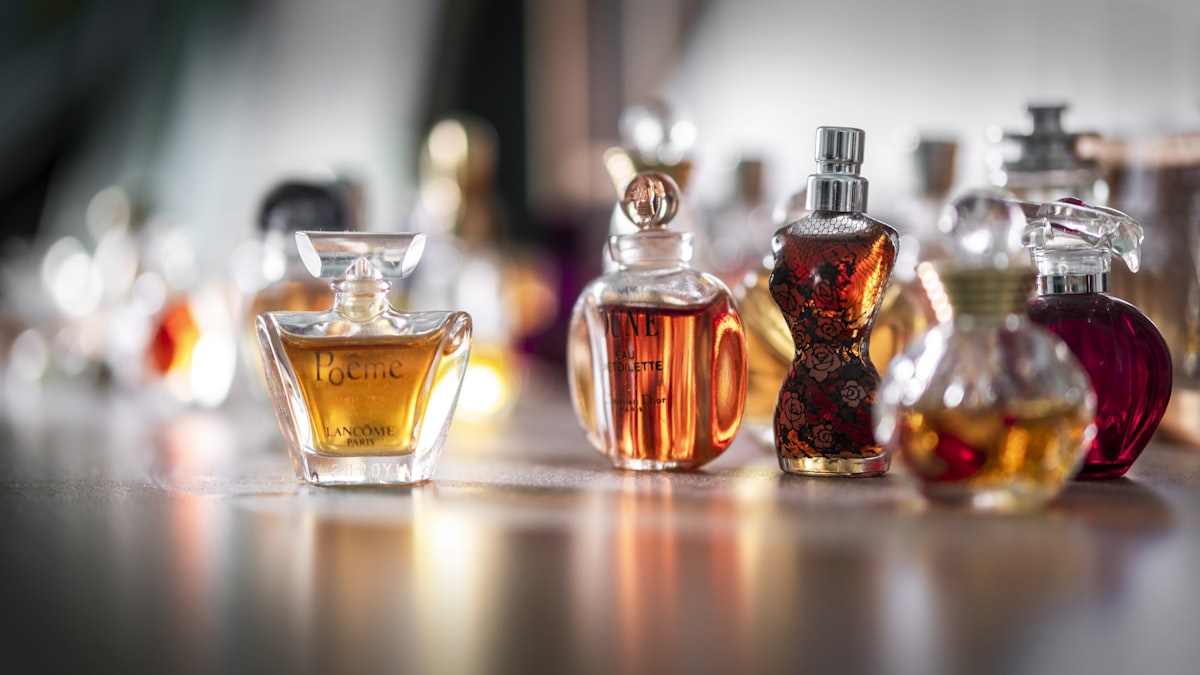
Japanese fragrance leans subtle, clean, and refined — a lovely contrast to bolder Western perfumes. If you like understated scents, here’s what to explore and buy.
The Japanese fragrance style
Japanese scents often favor soft, clean, “quiet luxury” profiles — think fresh cotton, green tea, yuzu, sakura, hinoki (cypress) and incense notes — designed to sit close to the skin rather than fill a room.
What to look for
- Niche & department-store brands — Japanese houses and boutiques with delicate signature scents.
- Traditional incense (o-koh) — Kyoto’s centuries-old incense makers; a beautiful, affordable gift.
- Yuzu, sakura, and green-tea fragrances and body mists — very Japanese, easy to wear.
- Hinoki (cypress) scents that capture the smell of an onsen town.
Where to buy
- Department-store beauty floors (see our department store guide) and Ginza boutiques.
- Incense specialists in Kyoto.
- Bring your passport for tax-free; find some scents and incense on Amazon or via a proxy service.
Tips
- Test on skin — clean Japanese scents can be faint on paper.
- Incense is a lightweight, unbreakable gift that packs flat.
- Pair with Japanese skincare and makeup for a full J-beauty haul.
Typical costs
- Traditional incense (o-koh) starter sets from established Kyoto makers run JPY 1,500-4,000, a genuinely affordable and lightweight gift that survives packing far better than glass bottles.
- Niche Japanese fragrance houses typically price a full bottle JPY 8,000-25,000, competitive with mid-tier Western niche perfume once tax-free savings are applied.
- Department-store beauty floor samples are usually free to request, making it easy to build a small testing set of 4-5 scents before committing to a full bottle purchase.
Common mistakes to avoid
- Buying based on the paper test alone — Japanese fragrances are formulated to develop close to skin, and many genuinely change character over the first 15-20 minutes on skin versus how they read on a test strip.
- Assuming incense is only for religious use — most Japanese households burn incense simply for the scent, no ritual required, and buying a starter set with a small ceramic holder makes for an easy home upgrade.
- Overpacking glass bottles in checked luggage — wrap them in clothing at the center of your bag, or consider a smaller travel-size bottle if it’s offered, since breakage in transit is a real risk.
Building a full J-beauty gift set
Fragrance pairs naturally with other understated Japanese beauty categories — a hinoki-scented soap or bath salt, a subtle skincare mist, and a small incense set together make a cohesive, distinctly Japanese gift far more interesting than a single bottle of perfume alone. See our Japanese skincare guide for complementary picks.
Where to find the best incense
Kyoto is the center of Japan’s centuries-old incense industry, with several makers running shops that double as small museums of the craft — worth a stop even if you don’t plan to buy, since staff often explain the different wood and resin bases (sandalwood, aloeswood, cinnamon) in a way that makes later purchases feel far more informed.