Photo by Victoriano Izquierdo on Unsplash
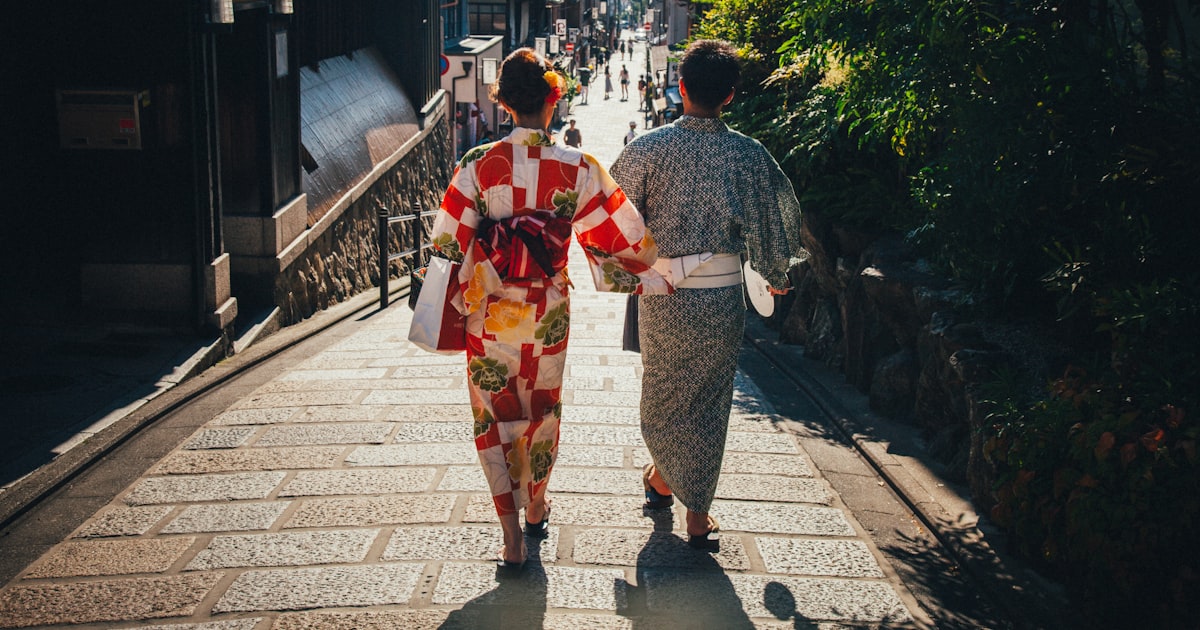
Picture a narrow canal lined with weeping willows, wooden footbridges, and a string of low-slung inns, all of it filled at dusk with visitors clacking along in wooden geta and cotton yukata robes. That’s Kinosaki Onsen, a hot spring town on the Sea of Japan coast in Hyogo Prefecture that has built its entire identity around one idea: check into your ryokan, put on a yukata, and spend the evening bathhouse-hopping through town. Unlike hot spring resorts where the bathing happens behind closed doors at your hotel, Kinosaki’s tradition is public and social — and it’s one of the most photogenic small towns in Japan.
Why Kinosaki Onsen Is Different
Most onsen towns concentrate their baths inside individual ryokan. Kinosaki instead built seven separate public bathhouses (sotoyu) scattered along its main canal, each with its own architecture, history, and bathing style, and the local custom is that hotel guests bathe outside their inn rather than in it. Many ryokan in town have only small baths of their own, or none at all — guests are expected to go out in yukata after check-in and work their way through the sotoyu instead. If you want to understand how this differs from an ordinary neighborhood bathhouse, our guide to super sento versus onsen is a useful primer before you go, since Kinosaki’s baths are genuine hot spring water, not heated tap water.
Getting There: Trains, Passes & Timing
The town is built directly around JR Kinosaki Onsen Station, so there’s no bus transfer or taxi ride needed once you arrive. From Kyoto, take the JR Limited Express Kinosaki (or Hashidate, which through-runs on the same line) directly to Kinosaki Onsen Station; the ride takes roughly 2 hours 20 minutes to 2 hours 40 minutes depending on the departure. From Shin-Osaka or Osaka Station, take the JR Limited Express Kounotori, which covers the route in about 2.5 hours. Both are reserved-seat limited expresses, so booking a seat ahead (or using a JR pass that covers reserved seating) is worth it on weekends. If you’re flying into Kansai and starting from there, our Kansai Airport (KIX) to Osaka, Kyoto & Nara guide covers the first leg; from Osaka or Kyoto you then connect onto the Kounotori or Kinosaki limited express. Regional IC cards like ICOCA work for local transit and station shopping in the area, though the limited express itself requires a paper or app-based reserved ticket — see our guide to IC cards beyond Tokyo if you’re unsure how ICOCA works outside the Kansai metro core. Grabbing an ekiben at Shin-Osaka or Kyoto Station before boarding is a nice touch for the ride.
The Seven Public Bathhouses (Sotoyu Meguri)
The seven sotoyu are Ichino-yu (known for its cave-like rock bath and outdoor waterfall bath), Goshono-yu (the grandest, palace-style building with a rotenburo view), Satono-yu (the most modern, right next to the station), Jizo-yu, Yanagi-yu (small and quiet, near the old town center), Kono-yu (said to be the town’s founding bath, over 1,300 years old, with an open-air herbal bath), and Mandara-yu. Each has a different closing day on a rotating weekly schedule, so at least six are open on any given day; hours generally run from around 7:00 to 23:00, with last entry around 30 minutes before closing. Most ryokan issue guests a free all-access wristband or pass (often called a yumepa) covering all seven baths for the length of their stay, which is the main reason to book a room in town rather than day-trip. Day visitors without a ryokan pass can buy a day pass at the tourist information center near the station for roughly ¥1,300 for adults (about ¥650 for children), or pay individual entry of around ¥600–900 per bathhouse. Bring your own small towel, or buy one from any bathhouse or the many towel shops on the main street — most sotoyu sell inexpensive cotton towels at the entrance if you forget.
Yukata Etiquette & What to Pack
Ryokan supply yukata and geta as part of your stay, sized to fit, so you don’t need to bring your own. A few points that trip up first-timers: wrap the robe left side over right (right-over-left is how the dead are dressed for funerals), tie the obi sash at your natural waist, and don’t wear anything underneath except the thin undergarment your ryokan may provide. Geta take a bit of practice on the town’s stone bridges — small, shuffling steps work better than a normal stride. Bring a small drawstring or tote bag for your wallet, phone, and bathhouse pass, since yukata sleeves have no real pockets. Evenings can get breezy along the canal even in summer, so ask your ryokan for the optional haori jacket that layers over the yukata if you’re visiting outside the hottest months.
Where to Stay: Budget, Mid-Range & Splurge Ryokan
Budget travelers can find simple minshuku and guesthouse rooms without private baths from around ¥8,000–12,000 per person per night including breakfast, which is entirely workable here since you’re bathing at the sotoyu anyway. Mid-range ryokan with two meals included (dinner is usually a multi-course kaiseki meal) run roughly ¥20,000–35,000 per person per night, and this is where most visitors land — you get a proper tatami room, yukata, and the full sotoyu pass. Splurge properties with private in-room baths, river or garden views, and higher-grade crab or beef kaiseki can run ¥40,000–70,000+ per person. Because Kinosaki is a legitimately romantic setting, it’s a common stop on longer honeymoon itineraries alongside Kyoto or the Kansai coast; if that’s your trip, our Japan honeymoon guide has planning tips that apply well here. Book several weeks ahead for weekends, and months ahead for peak winter crab season or fireworks nights, since the town has a limited number of rooms and fills up fast.
Best Time to Visit & Food (Matsuba Crab Season)
Kinosaki sits on the Tajima coast of the Sea of Japan, one of Japan’s best regions for matsuba crab (snow crab), and the winter season from around November through March is when ryokan build entire dinner courses around it — boiled, grilled, and raw crab sashimi, often at a premium over other seasons. It’s the single biggest reason repeat visitors return in winter despite the cold. Autumn (October–November) brings good foliage along the canal and comfortable walking weather. Summer is hot and humid like the rest of Japan, but the town holds its Kinosaki Onsen Matsuri fireworks festival in early August, and yukata-strolling at night is still pleasant once the sun goes down; see our Japan in summer guide for what to expect heat-wise if you’re combining this with a Kansai summer trip. Spring is quieter and mild. Whatever season, plan to arrive by early-to-mid afternoon so you have time to check in, change into yukata, and enjoy a full evening of bathhouse-hopping before dinner.
Common Mistakes to Avoid
The most common misstep is treating Kinosaki as a day trip from Kyoto or Osaka — the train alone eats up 5 hours round trip, leaving little time to actually experience the yukata culture that makes the town special; staying at least one night is what makes the visit worthwhile. Second, don’t skip asking your ryokan about their sotoyu pass at check-in; a few budget guesthouses don’t automatically hand it over, and you don’t want to discover this after your first bathhouse turns you away. Third, standard onsen rules apply at every sotoyu: wash thoroughly at the shower stations before entering the water, tie up long hair, and know that most bathhouses still don’t admit visitors with visible tattoos, so check individual bathhouse policies in advance if this applies to you. Finally, many restaurants and some bathhouses close earlier than you’d expect in a resort town — the last entry cutoff around 22:30 comes faster than it feels, so don’t leave your final bath of the night until too late.