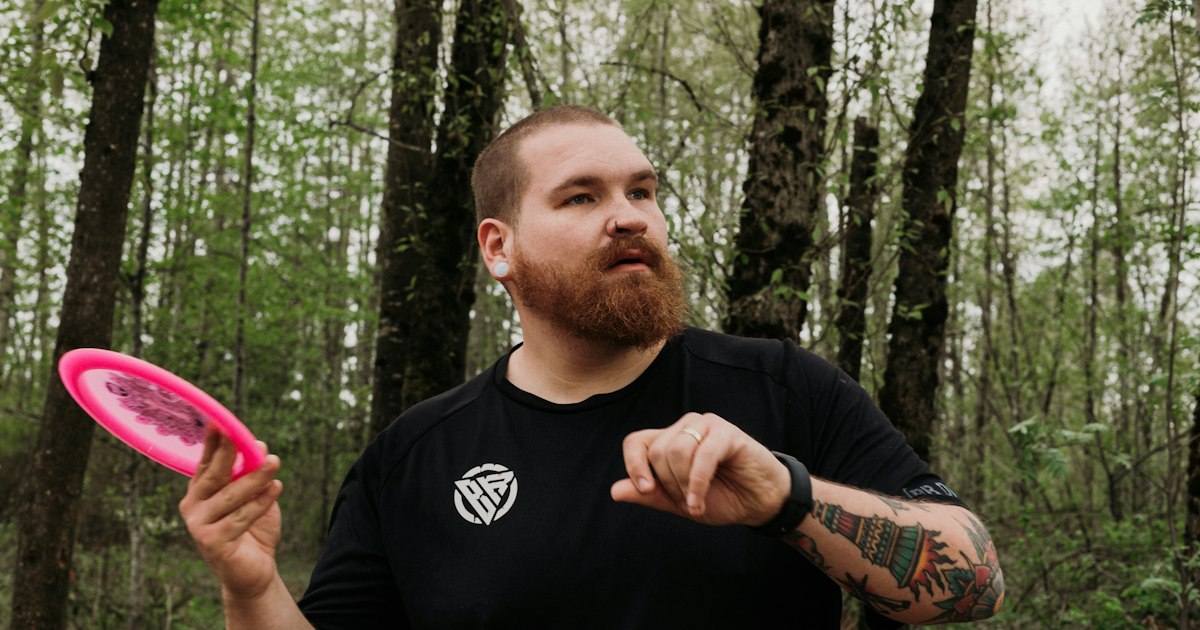
Photo by Priscilla Du Preez 🇨🇦 on Unsplash
Disc golf is still a niche sport in Japan, but it’s a real one — there are more than 100 courses scattered across the country, from manicured resort layouts in Nagano to rough mountain tracks run by local clubs. The catch for visitors is that almost nothing about the scene is set up for tourists: course websites are Japanese-only, rental fleets are small, and some courses are only reachable by car. This guide covers what actually works if you want to throw a round or two while you’re in the country.
What disc golf in Japan actually looks like
Japan’s disc golf courses fall into two broad categories. The first is resort and campground courses — often attached to a ski resort’s green-season business or a glamping site — that have proper tee pads, metal baskets, and a clubhouse where you pay and rent gear. The second is informal courses on public land: a park, a riverside green space, or a patch of forest where a local club has installed baskets with the landowner’s permission. These are usually free or coin-box donation-based, but they have no staff, no rental discs, and no English signage at all.
For a first-time visitor without their own discs, the resort-style courses are the realistic option. The informal courses are worth visiting only if you already own and carry your own set.
Finding a course near your itinerary
The best English-language starting point is the PDGA (Professional Disc Golf Association) course directory — search “Japan” and it lists most of the registered courses with GPS coordinates, which you can drop straight into Google Maps. Cross-check listed hours and fees locally, since PDGA entries are user-submitted and go stale. The Japan Flying Disc Association (日本フライングディスク協会) also maintains a Japanese-language list of affiliated courses, useful if you’re comfortable pasting text into a translation app.
In practice, the courses most visitors can reach without a rental car cluster around:
- Nagano and Yamanashi — several resorts near Hakuba and around Yatsugatake run disc golf as a green-season activity (typically late April to November), with courses built on former ski slopes. Elevation changes make these some of the more scenic rounds in the country.
- Chiba and Ibaraki — a handful of campground courses within day-trip range of Tokyo, generally reachable by a combination of train and a short taxi or hotel shuttle.
- Hokkaido — a growing number of courses near Sapporo and in rural campgrounds, though most require a car.
- Okinawa — a small number of courses on the main island, useful if you’re already there for the beaches rather than a dedicated trip.
Before committing to a day trip, call or message the course (many have a LINE account) to confirm it’s open — several close for winter snow or summer typhoon season, and some operate only on weekends outside peak months.
Renting discs: what to expect and what it costs
Rental fleets in Japan are small — often just driver, mid-range, and putter sets of a handful of models, not the wall of options you’d see at a US pro shop. Typical pricing at resort courses runs ¥500–¥1,000 for a 3-disc rental set per round, sometimes bundled into a combined green fee package. A few courses charge a flat all-day equipment rental of around ¥1,500–¥2,000. Deposits are uncommon but some sites ask you to leave ID or a credit card imprint while you have the discs.
Because fleets are small, weekend afternoons at popular resort courses can run out of rental sets — this is the single most common mistake visitors make. If you’re traveling during a Saturday or holiday, email or LINE the course the day before to hold a set, or plan your round for a weekday morning. If you already play at home, bringing 3–4 of your own discs in checked luggage removes this risk entirely and lets you play any course, including the free informal ones that have no rental gear at all.
Green fees and what a round actually costs
Expect one of three pricing structures:
- Budget (¥0–¥500): informal municipal or club-run courses with a donation box. No rental, no staff, cash only if anything is collected at all.
- Mid-range (¥1,000–¥2,500): resort and campground courses with a staffed office, rental discs, scorecards, and sometimes a practice basket. This is the standard price band for a visitor’s first round in Japan.
- Splurge (¥3,000+): courses bundled with a full-day campground or glamping pass, where the disc golf is one activity among several (onsen, BBQ, cabin rental) rather than a standalone green fee.
Cash is still king at the smaller resort offices — carry ¥10,000 in small bills, since card and IC terminals are inconsistent outside major tourist areas.
Best time of year to play
Most mountain and resort courses in central and northern Japan run roughly late April through early November, following the same calendar as hiking trails and ski-resort green seasons — snow closes them in winter. Spring (May) and autumn (October–November) give the most comfortable throwing weather and, in the mountains, good foliage. Mid-summer (July–August) in lowland areas is genuinely tough: high humidity and 35°C+ afternoons make an 18-basket round exhausting, so aim for an early morning tee time if you’re playing in Tokyo’s orbit during summer. Okinawa’s courses are playable year-round but hit by typhoon season June through October, so check forecasts before the trip.
Getting there without a car
Many resort courses are built for domestic visitors arriving by car, and public transit coverage is spotty. Where a course is near a train station, resorts often run a seasonal shuttle — ask when you book. For courses genuinely out of walking range of any station, a taxi from the nearest town is usually the only non-driving option, and it’s worth pre-arranging the return pickup since rural taxi availability is thin. If your trip already involves other outdoor activities reachable this way — rivers, lakes, or mountain scenery — it’s worth comparing notes with how visitors handle similar logistics for guided river, lake, and mangrove tours, since the same combination of train-plus-local-transfer applies to a lot of Japan’s rural outdoor activities. If you do decide a rental car is worth it for a disc golf-focused trip, it’s worth knowing upfront that any car you might eventually buy or keep long-term in Japan is subject to the mandatory inspection system covered in our shaken guide — not relevant for a short-term rental, but useful context if Japan’s car culture surprises you.
Packing and practical notes
Bring your own discs if you play regularly; checked baggage handles them fine, and it opens up every free informal course along with the paid ones. If you’re flying budget domestic routes within Japan, weigh your bag — a dozen discs adds real weight. A basic insect repellent and a hand towel are worth packing for summer rounds in forested courses, since humidity means you’ll sweat through a round fast; if anyone in your group runs a fever or overheats on a hot-weather round, Japan’s convenience stores and drugstores sell cooling gel patches widely, detailed in our Netsusama sheet guide. And if you want a genuinely cheap, useful souvenir from a day on a Japanese course, the cotton work gloves sold at nearly any hardware store or 100-yen shop — covered in our gunte guide — double as decent grip gloves for wet-weather rounds and cost next to nothing.
Disc golf won’t be the centerpiece of most Japan itineraries, but as a half-day add-on to a mountain or countryside trip, it’s an inexpensive way to see rural scenery most tourists never reach — as long as you plan the transport and rental logistics a day ahead rather than showing up and hoping.