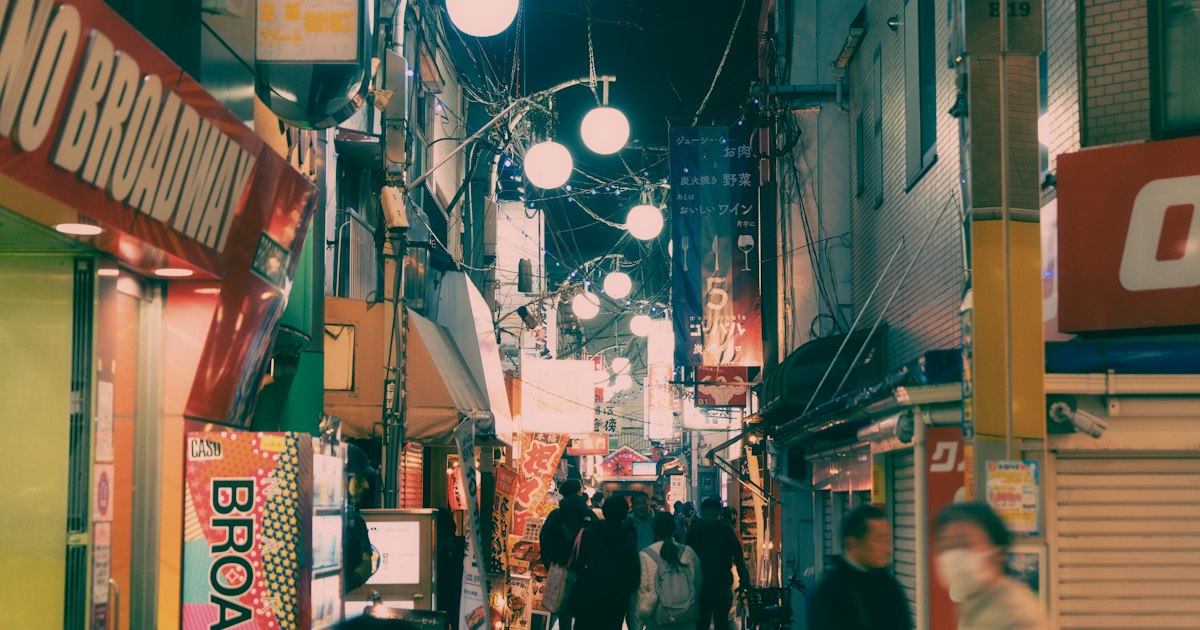
Photo by ayumi kubo on Unsplash
Sofubi — short for “soft vinyl” — is the rubbery, hand-painted figure format that grew out of 1960s Japanese kaiju toys and never stopped evolving. If you’ve seen a wobbly, big-eyed monster figure in a Tokyo shop window and wondered why grown adults are lining up before opening time to buy one, this guide explains the scene, where to actually shop, and how much you should expect to pay.
What Exactly Is Sofubi?
Sofubi figures are cast in soft PVC or vinyl, usually in small batches, and hand-painted rather than machine-sprayed — which is why no two figures are perfectly identical and why collectors chase specific color runs. The format traces back to toy makers like Marusan and Bullmark, who produced Godzilla and Ultraman monster toys in the 1960s–70s; original pieces from that era are now serious collector’s items. The modern scene is carried by studios like M1Go, CCP, Realxhead, and Max Toy Co., who release everything from faithful kaiju reissues to original monster designs, often in limited “color ways” of 50–300 pieces per run.
Nakano Broadway: The Epicenter
If you only visit one place, make it Nakano Broadway, a slightly scruffy 1960s shopping complex in Nakano, Tokyo, packed with multiple Mandarake shop floors plus independent toy dealers. Take the JR Chuo Line or Tokyo Metro Tozai Line to Nakano Station, then walk about 5 minutes north through the covered Nakano Sun Mall arcade. Most shops here open around 12:00 and close by 20:00, and almost nothing opens before noon, so there’s no point arriving early unless it’s an event day.
Mandarake’s different floors specialize differently — one floor handles vintage tin and soft-vinyl toys from the Showa era, another handles modern sofubi and garage kits, and prices are clearly tagged, which makes Nakano Broadway a good place to learn fair market value before buying elsewhere. Expect cash to move faster than cards in the smaller independent booths; some take IC cards or credit, many don’t.
Akihabara and Beyond
Akihabara’s Mandarake Complex (8 floors, also open roughly 12:00–20:00) is a solid second stop, with a dedicated vintage toy floor and a figure floor that regularly stocks current sofubi releases. It’s less atmospheric than Nakano Broadway but easier to combine with a general Akihabara electronics-and-anime day. Smaller specialist shops and artist-run studios (Realxhead, for instance, has sold through pop-ups and its own small shop space in Tokyo) come and go, so check a shop’s social media before making a special trip — soft-vinyl studios are often tiny operations run by a handful of people and hours can shift without notice.
Super Festival: The Biannual Toy Fair
The single best weekend to be in Tokyo for sofubi is Super Festival, a two-day soft-vinyl and toy fair held at Tokyo Big Sight, typically on the last weekend of July and the first weekend of December each year. Admission runs about ¥1,500–¥2,000, doors usually open around 10:00, and this is where studios debut their most limited color variants and event-exclusive figures — many of which sell out within the first hour. If there’s one figure you want, line up before opening; arriving at 11:00 for a run of 100 pieces is a common rookie mistake that ends in disappointment. Get to Tokyo Big Sight via the Yurikamome line from Shimbashi or the Rinkai Line from Osaki — budget extra transit time since lines for popular booths can spill outside the hall.
Budget, Mid-Range, and Splurge Buys
- Budget (¥300–¥3,000): Gashapon capsule kaiju toys from vending machines, mini “keshi” soft-vinyl figures, and basic mass-produced reissues. Good for a casual souvenir.
- Mid-range (¥5,000–¥20,000): Standard-size artist sofubi from CCP, M1Go, or Max Toy Co. releases — the sweet spot for most visiting collectors, and the price band where most current-production kaiju figures sit.
- Splurge (¥30,000–¥300,000+): Limited color variants, convention exclusives, and genuine vintage Marusan or Bullmark pieces from the 1960s–70s. Condition matters enormously here — paint wear, box presence, and original accessories can swing the price several times over, so buy from a shop with a return policy rather than a loose market table.
Common Mistakes First-Time Buyers Make
The most frequent error is assuming a figure labeled “vintage” is actually from the original production run — reissues using the original molds are common and legitimate, but should be priced and sold as reissues, not originals. Ask directly; reputable Mandarake staff will tell you straight. Second, don’t skip Yahoo Auctions Japan or Mercari out of fear of language barriers — a proxy-shopping service can bid for you, but factor in its commission (often 5–10%) plus domestic shipping before deciding a listing is actually a bargain versus simply buying it in person at Nakano Broadway. Third, soft vinyl is durable but not indestructible — tails, antennae, and small spikes can snap in checked luggage, so wrap figures individually and consider carrying fragile pieces in your cabin bag.
If you’re stacking a toy-shopping day onto a broader Tokyo itinerary and want to budget realistically, remember that your hotel bill in Tokyo already includes the per-night accommodation tax, which is worth factoring in alongside your figure-buying budget rather than being surprised by it at checkout.
Shipping Your Haul Home
Sofubi figures aren’t restricted items, so customs isn’t the issue — bulk and weight are. If you’ve bought more than a carry-on’s worth, most Mandarake branches and Japan Post can arrange EMS or surface shipping, and it’s worth comparing costs against your airline’s checked-baggage allowance before committing. The general principle is the same one that applies to any bulky Japanese purchase you can’t easily carry: get a shipping quote before you buy more than you planned to, the way collectors buying something even larger — like in our guide to shipping a secondhand piano home — have to plan freight costs into the purchase price from the start. For smaller hauls, a sturdy duffel packed with bubble wrap from a ¥100 shop usually does the job for a flight home.
If the craftsmanship angle is what draws you to sofubi — the hand-painting, the small-batch production, the respect for an older technique kept alive by a small community of makers — it’s worth pairing your shopping trip with a visit to the Nihon Mingeikan, Tokyo’s quiet museum of everyday Japanese craftsmanship, for a completely different but complementary look at how Japan treats handmade objects as worth preserving.