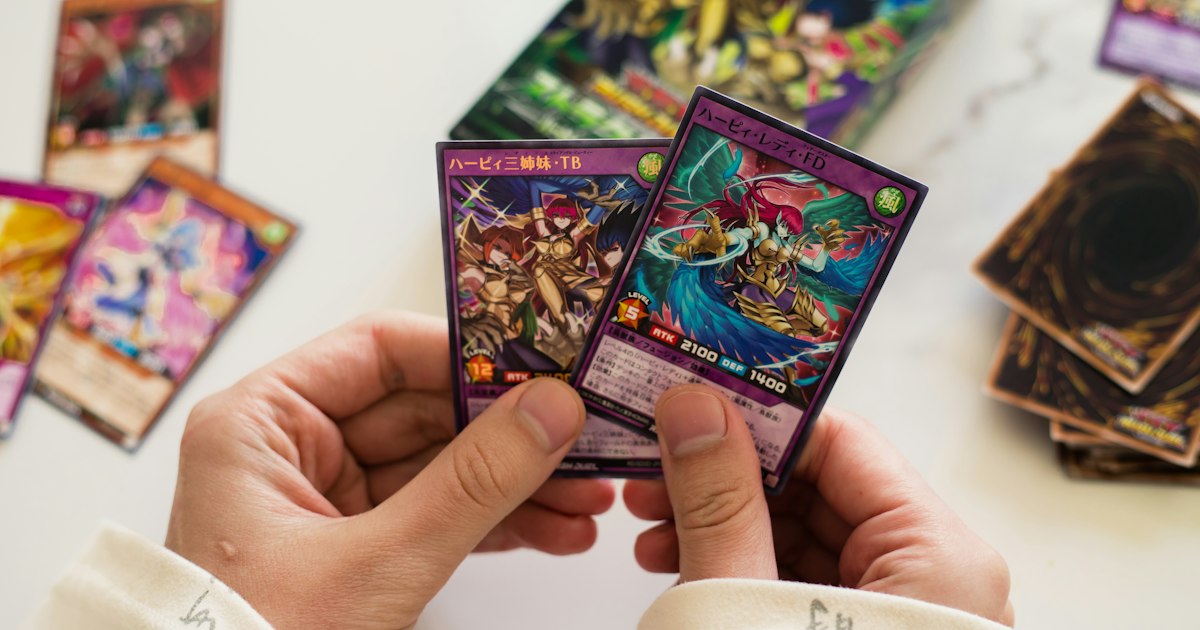
Photo by Jovan Vasiljević on Unsplash
Japan is the deepest pool of trading cards on the planet, and a growing number of visiting collectors now treat a trip to Tokyo or Osaka as a chance to both buy and grade cards in the same place PSA’s Japanese operation actually processes them. If you’re flying in with a binder of Pokémon, One Piece, or sports cards and wondering whether you can realistically get them graded before you leave, here’s what actually happens once you walk into a shop and hand over your cards.
Why More Collectors Are Grading Cards in Japan Instead of at Home
PSA opened a Japan office in Tokyo in 2023 specifically because the volume of Japanese-language Pokémon cards being mailed to the US had become enormous, and because sending high-value cards across the Pacific carries real loss and customs risk. For a visiting collector, the practical upside is simple: cards bought in Japan can be submitted locally, graded by staff who handle Japanese-set cards every day, and shipped back to your home address without you personally carrying raw cards through airport security twice. It also sidesteps the awkward math of declaring a stack of cards worth several hundred thousand yen to customs on the way home.
The tradeoff is that PSA’s Japan pipeline is tuned for domestic submitters, not tourists. There’s no single flagship “PSA Store” counter the way there is in parts of the US — submissions flow through the PSA Japan web portal and a handful of partnered retail shops that act as collection points.
How PSA’s Japan Operation Actually Works for a Short-Term Visitor
If you want PSA to grade cards while you’re in Japan, you have two realistic paths:
- Submit through a partner card shop. Several major hobby chains — Mint is the one most visitors run into, with branches in Akihabara, Namba, and Nagoya — run in-store PSA submission counters. Staff weigh, photograph, and log your cards into the PSA Japan system on the spot, and you pay a per-card submission fee plus the shop’s small handling fee in cash or by card.
- Submit directly through the PSA Japan online portal. You create an account, declare your cards, print a submission form, and mail the package via Japan Post’s registered/insured service to PSA’s Japan processing address. This is cheaper but requires a Japanese shipping address or a hotel willing to receive and hold a return parcel, which most short-term visitors don’t have.
For almost every visiting collector, the shop-counter route is the only workable option. Staff at these counters are used to foreign customers buying cards, but English support for the grading paperwork specifically is hit-or-miss — bring a translation app, and expect to fill in your name and return address in katakana-friendly block letters.
Submission Tiers and Realistic Turnaround Times
PSA Japan runs the same basic idea as the US service: multiple speed tiers at different price points, rather than one flat fee. As a rough guide (prices and exact tier names shift periodically, so confirm current figures at the counter or on the PSA Japan site before you submit):
- Economy/Value tier — the cheapest option, typically quoted in the low thousands of yen per card, with turnaround measured in months rather than weeks. Not viable if you need cards back before you fly home.
- Regular tier — a mid-priced option, usually somewhere in the ¥5,000–¥10,000 per-card range, with turnaround often running 6–10 weeks.
- Express/Super Express tiers — significantly more per card, sometimes several times the Regular price, but turnaround can drop to a few weeks or, during quiet periods, under two weeks.
The honest answer for almost every visitor on a one- or two-week trip is that you will not get cards back before you fly home unless you pay for the fastest tier and submit on day one of your trip. Most people treat Japan-based grading as a “drop off now, have it shipped to your home country later” service, not a same-trip souvenir.
Where to Physically Drop Off Cards: Shops, Counters, and Mail-In
Akihabara in Tokyo remains the center of gravity for this — the same streets covered in our guide to Akihabara’s specialist gear shops are also home to its biggest card and hobby retailers, several floors of secondhand and new cards within a five-minute walk of Akihabara Station’s Electric Town exit. Nakano Broadway and Ikebukuro are the other two reliable hubs if you want to compare prices or hunt for the cards you plan to submit before grading them. Plan your route with a transit app that actually understands Japanese station exits and shop-level addresses — the kind of routing gap covered in our piece on Japanese transit apps like NAVITIME — since “Akihabara Station” alone won’t get you to a specific shop counter buried on the 4th floor of a building.
Counters generally keep normal Japanese retail hours, roughly 11:00 or noon to 20:00 or 21:00, with no fixed lunch closure, but individual branch hours vary and some close one weekday for restocking — check the shop’s own page the day you plan to go rather than assuming standard hours apply.
Timing Your Trip Around Grading (and Avoiding the Backlog)
Submission queues swell predictably after a major Pokémon set release or a high-profile set reprint, when thousands of local collectors flood the same counters you’re trying to use. If your trip timing is flexible, avoid the first two or three weeks after a major Japanese TCG release. The slowest, cheapest-feeling periods tend to be mid-week outside of these release windows and outside the New Year “hatsuuri” shopping rush in early January, when hobby shops nationwide see a spike in foot traffic.
Common Mistakes Visiting Collectors Make
- Submitting unsleeved or single-sleeved cards. PSA requires cards in a penny sleeve plus a semi-rigid holder for submission; shops sell these on-site but it’s cheaper to bring your own.
- Not photographing cards before handing them over. Take clear front/back photos of every card at the counter before it disappears into processing — useful for insurance claims and for your own records if a grade comes back lower than expected.
- Forgetting the return-shipping question. Confirm up front whether the shop ships internationally once grading is done or only domestically within Japan — some only mail within Japan, which means you need a trusted local address or a forwarding service.
- Treating a high-value purchase as automatically tax-free. If you bought the cards you’re submitting at a tax-free-eligible shop, keep the paperwork intact; a rejected tax-free receipt at departure is a solvable but annoying problem covered in our guide on fixing a rejected tax-free receipt in Japan.
- Underestimating how card-shop-specific this is. Game and card specialty retailers are a different retail category from general electronics stores — if you’re also shopping for Japanese-exclusive game releases on the same trip, the sourcing logic in our guide to hunting down multi-language Switch and PS5 games applies to the same Akihabara and Nipponbashi shop clusters.
Budget, Mid-Range, and Splurge Strategies
Budget: Buy raw cards in Japan, carry them home yourself, and submit to PSA in your own country once you’re back — skips Japan-side fees entirely but loses the “graded by specialists in Japanese sets” advantage.
Mid-range: Submit at a Japan-based partner counter on Regular tier, and arrange international return shipping to your home address — you pay more than domestic submitters but get native-market grading without personally re-crossing a border with raw cards.
Splurge: Submit on Express or Super Express tier on your first full day in Japan, pay for insured international courier return, and treat the grading as happening in parallel with the rest of your trip rather than something you wait around for — this is the only realistic way to see a graded card before you’ve already flown home, and even then it depends on current processing volume.