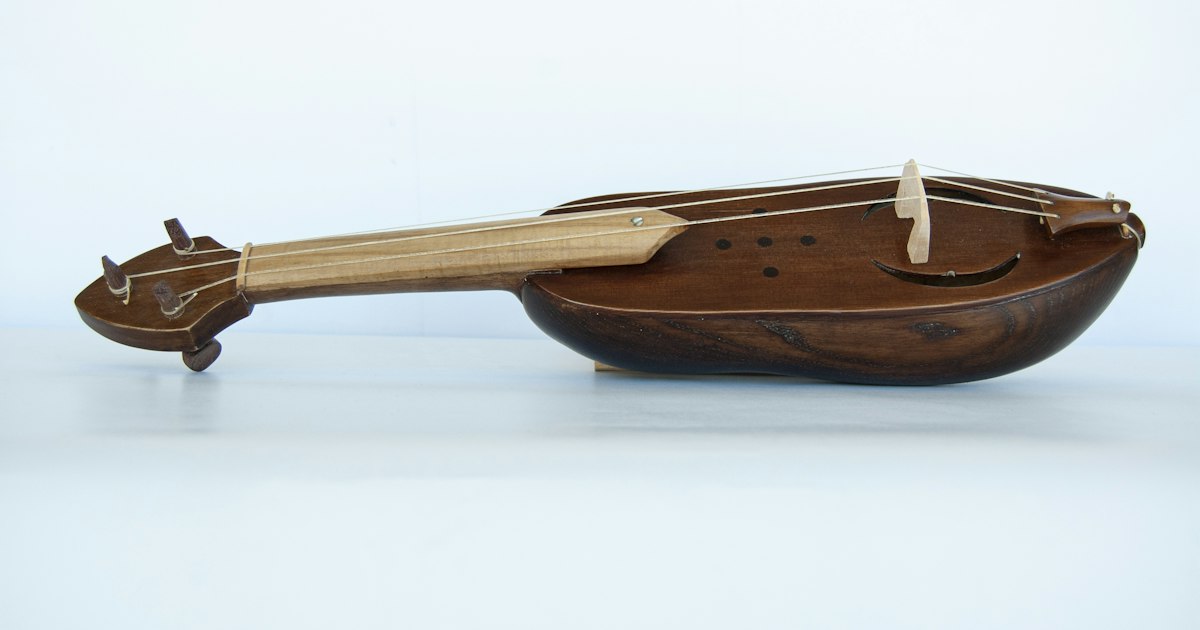
Photo by Alice Challies on Unsplash
The twang of a shamisen in a Kyoto teahouse or the shimmering run of notes from a koto at a New Year’s concert is one of those sounds that makes Japan feel instantly different. Both instruments are easy to find as souvenirs — and easy to buy wrong. This guide covers what separates the two, where you can actually hear and try them, and what a real, playable instrument costs versus a decorative one.
Shamisen vs. Koto: Know the Difference Before You Shop
The shamisen is a three-stringed lute with a long fretless neck and a small square body traditionally covered in stretched skin (historically cat or dog; most student-grade instruments today use synthetic skin, which also holds up far better in humid summers and dry, heated winters). It’s played with a large plectrum called a bachi, and its neck unscrews into three sections for storage — a detail that matters later when you’re thinking about packing one home.
The koto is a 13-string zither, about 180cm long, made from paulownia (kiri) wood, played sitting on the floor with picks (tsume) worn on the thumb, index, and middle finger of the right hand. Movable bridges (ji) under each string set the tuning. It is not portable in the way a shamisen is — this single fact shapes most of the buying advice below.
Where to Hear Them Played
The easiest sampler for visitors is Gion Corner at Yasaka Hall in Kyoto’s Gion district, a roughly 50-minute nightly show that packs in koto, court music (gagaku), Kyoto-style dance, comic theater (kyogen), and a short bunraku puppetry demonstration. Tickets run around ¥6,000 for adults; shows typically run most of the year but pause in January and February, so check the current schedule before you plan an evening around it. If you want to see shamisen in its original performance context rather than as a standalone recital, bunraku itself is built around it — the chanted narration (tayu) is always accompanied live by a shamisen player, and our guide to Bunraku puppet theater covers where to catch a full performance in Osaka or Tokyo.
In Tokyo, small shamisen and koto recitals pop up regularly at community halls and shrines, especially around New Year (koto’s “Rokudan” and similar classical pieces are strongly associated with the holiday) and in late summer, when Tsugaru-shamisen festivals in Aomori Prefecture draw players doing the fast, percussive playing style that style of shamisen is known for. If your trip includes a traditional inn stay, ask the front desk — some ryokan in onsen towns arrange an evening shamisen performance for guests, though this isn’t guaranteed and varies by property.
Hands-On: Trial Lessons for Visitors
Several shops and studios around Asakusa in Tokyo — an old neighborhood that still supplies instruments to working geisha and theater musicians — offer short trial lessons aimed at tourists, usually an hour or so, priced roughly ¥3,000–¥6,000, with no experience necessary. These are worth doing even if you have no intention of buying: holding a bachi and getting a clean strike on the strings tells you more about whether you’d actually enjoy owning one than any shop display does. Kyoto has similar casual lesson offerings tied to geiko and maiko culture, often bookable through your hotel’s concierge. Seats for these lessons are almost always on the floor, so if tatami sitting is new to you, a zabuton floor cushion under you makes a real difference over a 45-minute seiza-style session.
Where to Buy: Budget, Mid-Range and Splurge
Budget (¥2,000–¥10,000): Decorative miniature shamisen and koto, keychains, and strap charms are sold at craft and souvenir stores nationwide, including the big general stores like Tokyu Hands and Loft. These are not playable instruments — they’re display pieces, and that’s fine as long as you know that’s what you’re buying. A set of practice tsume (koto picks) or a basic bachi, sold separately as accessories, also falls in this range and makes a more “real” souvenir for a non-player.
Mid-range (¥50,000–¥250,000): This is where genuine, playable student instruments live. A beginner shamisen with a synthetic skin and a basic cypress or katsura neck typically starts around ¥50,000–¥80,000; a decent student koto in paulownia wood runs ¥150,000–¥300,000. The Asakusa instrument quarter in Tokyo has several long-running wagakki (traditional instrument) shops that stock this tier and can advise on which of the three regional shamisen necks (thin, medium, or thick — used for different musical styles, from nagauta to Tsugaru) suits a beginner. Shops in this district generally keep daytime hours, roughly 10:00–18:00, with some closed one weekday — it’s worth calling ahead, since hours aren’t always posted reliably online.
Splurge (¥400,000 and up): Professional instruments use real skin, high-grade aged paulownia, and hand-tied silk or premium strings, with top shamisen easily exceeding ¥1,000,000 for instruments meant for stage performers. Unless you play seriously, there’s little reason to go here — a good mid-range instrument is more than enough to learn on.
If you’d rather shop before you travel or want English-language support, Bachido — an online shamisen community started by a longtime American player — sells beginner instrument kits with instructional materials shipped internationally, and is a genuinely useful resource for sorting out what grade of instrument makes sense for a first purchase.
Common Mistakes First-Time Buyers Make
- Buying a display piece thinking it’s playable. Miniatures sold at souvenir counters are decorative; the strings often aren’t even under real tension. If you want something you can actually play, say so explicitly and expect to pay at least mid-range prices.
- Assuming real skin always means cat or dog. Most shops now sell synthetic-skin shamisen as the default for beginners — it’s not a downgrade, it’s more practical for export to a different climate and doesn’t raise animal-product import questions at customs.
- Forgetting the koto’s size. At around 180cm, a full-size koto will not fit in airline luggage or most hotel rooms comfortably. Buyers who don’t plan for this end up paying for international courier shipping after the fact, which can cost more than the cheaper student instruments themselves. Ask the shop about sectional or shorter practice models if you need something you can realistically take home yourself.
- Not checking string material rules. Older or display shamisen occasionally use ivory bachi or tsume accessories, which can run into CITES import restrictions in your home country. Confirm materials before buying any accessory that looks like bone or ivory, and ask for a synthetic alternative if you’re unsure.
Getting Your Instrument Home
A shamisen is genuinely traveler-friendly: the neck unscrews into three pieces and the whole thing packs into a padded bag that fits in checked luggage or even some overhead bins. A koto is not — budget for domestic takkyubin courier delivery to your hotel or airport if you buy one in a regional city, and ask the shop directly about international shipping costs and timelines, since they vary a lot by destination and aren’t something you want to discover after paying for the instrument.
Either way, buying one in person — after hearing it played and ideally trying it yourself — beats ordering sight unseen. It’s also, frankly, part of the fun: few souvenirs come with a built-in excuse to sit in on a traditional music lesson.