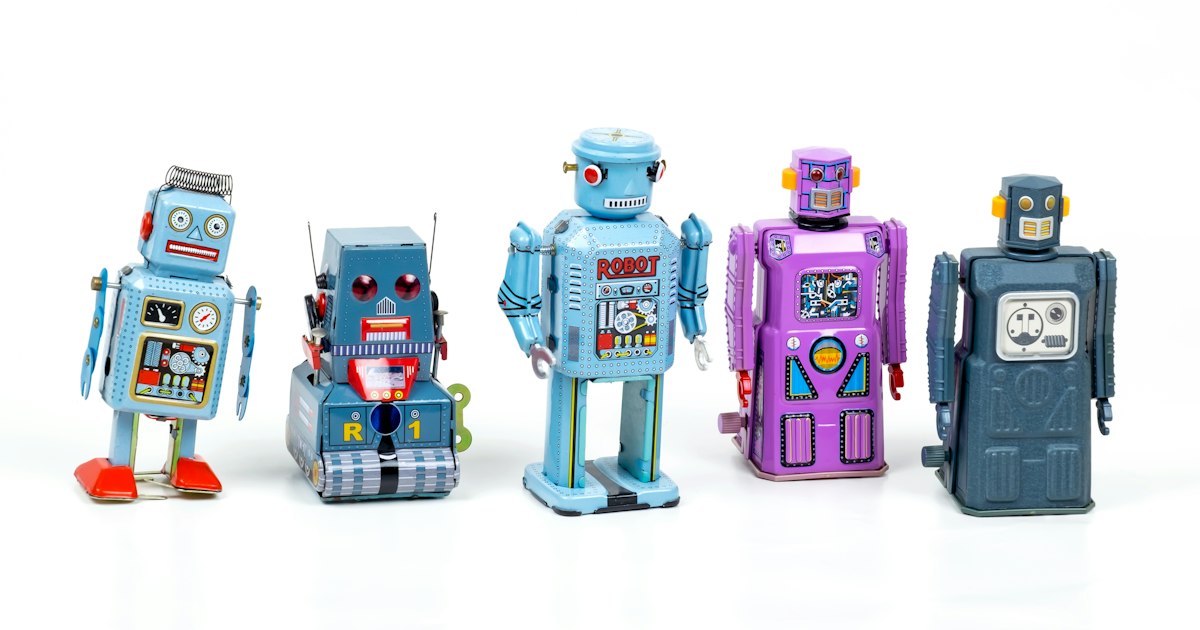
Photo by Eric Krull on Unsplash
Long before plastic took over, Japanese toy makers in the 1950s–60s turned tin-plate lithography into an art form, churning out space robots, friction cars, and wind-up animals known collectively as “blikiya” (ブリキ屋) toys. Collectors worldwide now chase these pieces — a mint Masudaya “Gang of Five” robot can fetch over a million yen at auction — but Japan is still the best place on earth to hunt them in person, at prices that make sense once you know where to look.
Why Showa-Era Tin Toys Are Worth Hunting
“Showa” refers to Emperor Hirohito’s reign (1926–1989), but in toy-collecting circles it usually means the postwar boom years, roughly 1948–1975, when companies like Masudaya, Horikawa, Nomura (TN), Alps, and Yonezawa exported tin robots and space vehicles by the container-load, mostly to the US. Many of those toys have since been repatriated to Japan by dealers and collectors, which is why serious buyers now fly here rather than relying on eBay. The lithographed detail — rivets, gauges, rocket flames printed directly onto tin — simply isn’t something later plastic toys replicated, and that craftsmanship is the whole draw.
Where to Find Real Vintage Robots: Tokyo’s Best Shops
Mandarake Nakano Broadway (Nakano, Tokyo) is the obvious starting point — this multi-floor shopping complex has several Mandarake branches, and the toy and “hobby” floors regularly stock pre-war to Showa-era tin robots alongside glass cases of Ultraman and Godzilla figures. Prices are clearly marked, which makes it a good place to calibrate your eye before negotiating elsewhere. Open roughly 12:00–8:00pm daily, hours vary slightly by floor.
Robot Robot in Harajuku (a short walk from Jingumae) is the specialist shop for this exact niche — tin robots, space toys, and monster tin toys fill a small but dense space. Staff can usually tell you the maker, year, and condition grade on request, which is worth more than the toy itself if you’re new to the hobby.
Billiken Shokai, with a long-running Asakusa branch, sells both genuine vintage pieces and faithful tin reproductions of classic robots — a good budget entry point if you want the look without the four-figure price tag.
Flea Markets and Antique Fairs Worth the Early Wake-Up
This is where the real bargains hide, because sellers are often clearing out house-clearance lots rather than pricing per collector guides. The Oedo Antique Market at Tokyo International Forum (near Yurakucho/Tokyo Station) runs on the first and third Sundays of most months, roughly 9am–4pm, rain or shine — check the current month’s schedule before you go, since dates occasionally shift. In Kyoto, the Toji Temple flea market on the 21st of every month and the Kitano Tenmangu market on the 25th both draw antique dealers selling everything from kimono to toy boxes; arrive by 8am, since the good tin toys sell within the first hour.
Go early, bring cash in small denominations, and expect to haggle gently — a 10% discount for cash is common if you’re buying more than one item. If you enjoy this kind of hunting, the approach is similar to what we describe in our guide to hunting Edo-era gold coins at antique dealers — patience and repeat visits beat any single lucky trip.
Outside Tokyo: Yokohama and Osaka
The Yokohama Tin Toy Museum (Yamate area, a 10-minute walk from Motomachi-Chukagai Station) isn’t a shop, but it’s essential groundwork: thousands of toys from the Kitahara Collection are displayed by era and maker, so you’ll leave knowing exactly what a genuine Alps or Nomura robot should look like. Admission is around ¥200, and it’s closed Mondays. There’s a small gift shop with reproduction toys if you want a souvenir without the authentication risk.
In Osaka, Den Den Town (Nipponbashi) has a Mandarake branch with a toy floor comparable to Nakano’s, and it’s a far less crowded hunting ground than Tokyo if your trip routes through Kansai.
Budget, Mid-Range, and Splurge: What Things Actually Cost
- Budget (¥2,000–¥6,000): New tin reproductions of classic robots and rocket toys from Billiken Shokai or Mandarake’s gift corners — great decor pieces, no authentication worries.
- Mid-range (¥5,000–¥30,000): Common Showa-era friction cars, wind-up animals, and smaller tin robots with some wear, box optional. This is where most first-time buyers should shop.
- Splurge (¥80,000–¥1,000,000+): Mint, boxed examples of the famous robots — Masudaya’s “Gang of Five” (Machine Man, Target Robot, Train Robot, Giant Sonic Robot, Lavender Robot), Nomura’s Smoking Spaceman, or Alps’ larger battery-operated pieces. Condition and an intact original box can multiply the price several times over.
Common Mistakes First-Time Buyers Make
The biggest one is confusing a reproduction with an original — many shops sell both side by side, and reputable dealers always label reissues clearly, but it’s on you to ask “fukusei (復刻) or original?” if the tag doesn’t say. Second, battery-operated toys from this era often have corroded battery compartments from decades-old leaking cells; this can be cosmetic or can mean the mechanism is dead, so ask the shop to test it before you buy if it’s meant to move. Third, sun-faded lithography is permanent — a toy displayed in a shop window for years will have visibly duller colors on one side, which matters a lot for resale value even if the mechanism still works. Finally, don’t assume a missing original box is a minor flaw: for high-end robots, the box can represent 40–60% of total value.
Getting Your Find Home Safely
Tin toys dent and their printed surfaces scratch easily, so wrap each piece individually and pack it in the center of your suitcase, surrounded by clothes, not against the hard shell. If you’ve bought something fragile and expensive enough to lock up separately, our guide on TSA rules versus Japanese suitcase locks explains which locks will actually survive airline screening without being cut off. If you spot something after you’ve left Japan, many shops ship internationally, and dealers increasingly list inventory on Japanese marketplaces — our walkthrough on buying from Rakuten Ichiba as an overseas shopper covers the language and shipping workarounds you’ll need. And if this kind of patient, know-your-maker vintage hunting appeals to you, the same mindset applies to our guide on finding vintage instruments in Ochanomizu — different object, same rule: learn the market before you reach for your wallet.