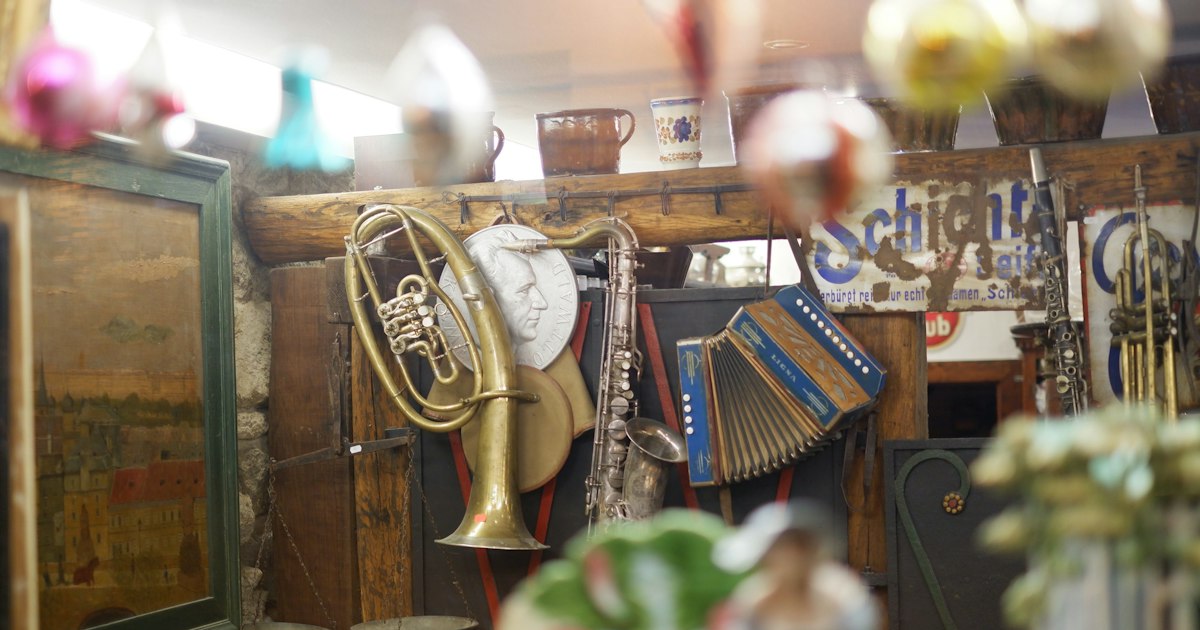
Photo by Hooman Being on Unsplash
Japan’s used musical instrument market is one of the best-kept secrets for traveling brass and woodwind players. Decades of meticulous maintenance culture, a steady supply of trade-ins from students and orchestras, and a handful of genuinely expert repair shops mean you can find a well-cared-for trumpet or saxophone here for noticeably less than you’d pay for the same condition back home — if you know where to look and what to check.
Why Japan Is a Great Place to Shop for Used Horns
Japanese owners tend to service instruments regularly, store them properly, and trade up through official dealer channels rather than letting gear rot in a closet. That means the used market is unusually deep in well-maintained intermediate and professional horns — Yamaha, Selmer, Bach, Yanagisawa, and Conn instruments that were bought new in Japan, played by a student or working musician for a few years, and traded in at a shop that re-services everything before resale. Shops also grade condition honestly (often with a visible ranking like S/A/B/C), which makes comparison shopping much easier than scrolling through vague online listings.
Ochanomizu: Tokyo’s Instrument Shopping District
If you only visit one place, make it Ochanomizu. This stretch of central Tokyo, a short walk from Ochanomizu Station (JR Chuo-Sobu Line) or Shin-Ochanomizu Station (Chiyoda/Marunouchi lines), is Japan’s equivalent of a dedicated instrument street. Ishibashi Music runs several specialized buildings here — separate floors and shops for guitars, keyboards, and wind instruments — rather than cramming everything into one store, so the staff in the wind instrument shop are actual brass and woodwind specialists, not generalists. Kurosawa Gakki (now under the Shimokura group) runs a similarly specialized cluster of shops a few blocks away, with its own used horn selection and in-house repair techs.
Most shops in the district open around 11:00–11:30 and close around 20:00, with no single fixed closing day across the street — check each shop’s website the morning you go, since hours shift for seasonal sales and renovations. Plan for an hour or two if you actually want to test instruments rather than just browse.
What to Expect: Condition Grades and Pricing
Used horns are typically tagged with a condition grade, a serial number, and a price that already reflects a recent inspection and any minor repair the shop did before putting it on the floor. Rough, realistic ranges you’ll see at reputable Tokyo shops:
- Student trumpets (e.g., Yamaha YTR-2330/2335): roughly ¥30,000–¥60,000 used.
- Intermediate/pro trumpets (Yamaha Xeno, Bach Stradivarius): roughly ¥150,000–¥350,000 depending on model, lacquer condition, and year.
- Student alto saxophones (Yamaha YAS-280 class): roughly ¥50,000–¥90,000.
- Pro alto/tenor saxophones (Yamaha YAS/YTS-62, Yanagisawa): roughly ¥120,000–¥220,000.
- Vintage collector pieces (Selmer Mark VI and similar): these are priced for collectors as much as players and can run well into the ¥500,000–¥1,000,000+ range, since Japan has strong domestic demand for Mark VI horns specifically.
Prices are generally fixed or only lightly negotiable — this isn’t a flea market — but shops will often throw in a basic case, mouthpiece check, or minor valve/pad adjustment if you ask before paying.
Budget, Mid-Range, and Splurge Options
For a tight budget, resale chains like Second Street or Treasure Factory occasionally carry used band instruments at bargain prices, but quality control is inconsistent and almost no staff there can properly evaluate a horn — fine for a beginner backup, risky for anything you plan to perform on. For a solid mid-range purchase with real expertise behind it, Ishibashi Music or Kurosawa Gakki in Ochanomizu are the sweet spot: specialist staff, honest grading, and in-house repair before sale. For a splurge or a serious vintage find, Yamano Music’s Ginza flagship (in business since 1892) has long-standing relationships with brass and woodwind professionals and is worth the trip if you’re hunting for a specific vintage model or want a pre-purchase adjustment done by someone who services orchestra musicians.
Best Time to Visit
Late winter into early spring (roughly February–March) is prime hunting season: Japan’s school year ends in March, so graduating band students trade in instruments en masse, refreshing shop inventory right before shops re-tag everything for the new fiscal year in April. Year-end also brings seasonal clearance pricing at some shops, similar in spirit to the discount mentality behind Japan’s New Year fukubukuro sales, though instrument shops rarely do literal grab bags. Avoid trying to combine a serious shopping trip with Obon week in mid-August — it’s worth reading up on why that week gets so chaotic for travel before you build your itinerary around it, since staff availability and your own train logistics both suffer.
Common Mistakes to Avoid
Don’t skip playing the horn in person if at all possible — valve compression, slide action, and intonation vary instrument to instrument even within the same model, and Japanese shops almost always have a practice room or quiet corner where staff will let you try before you buy. Don’t assume “vintage” means “valuable” — some older Japanese-market horns are genuinely special, others are simply old; ask the shop directly about collector demand rather than guessing from the price tag. And don’t forget that pitch standards and intonation tendencies can differ slightly by model era, which matters if you’re buying to play in an ensemble back home that tunes to A=440 precisely. If you’re the type who likes building out a broader collection of Japanese hobby finds while you travel, the same specialty-shop logic applies to gear like the ones covered in our guide to buying kendo bogu and judogi near the Budokan — go to the specialists, not the generalists.
Getting It Home
Trumpets generally travel fine as carry-on in a compact gig bag if your airline’s cabin dimensions allow it — check your specific carrier’s rules before you buy, not after. Saxophones in a hard case are bulkier and more often need to go as checked baggage or be shipped separately; most Ochanomizu shops can arrange domestic courier shipping to your hotel if you’re buying early in your trip and don’t want to carry it around Tokyo, and international shipping services (EMS or a courier like Yamato) can send it home afterward, though you should budget real money and a week or more of transit time for that option. Whichever you play, Tokyo’s live scene is worth catching while you’re here — if the trip lines up, festivals like those covered in our guide to Fuji Rock and Summer Sonic are a good excuse to hear what Japanese musicians are doing with their own gear.