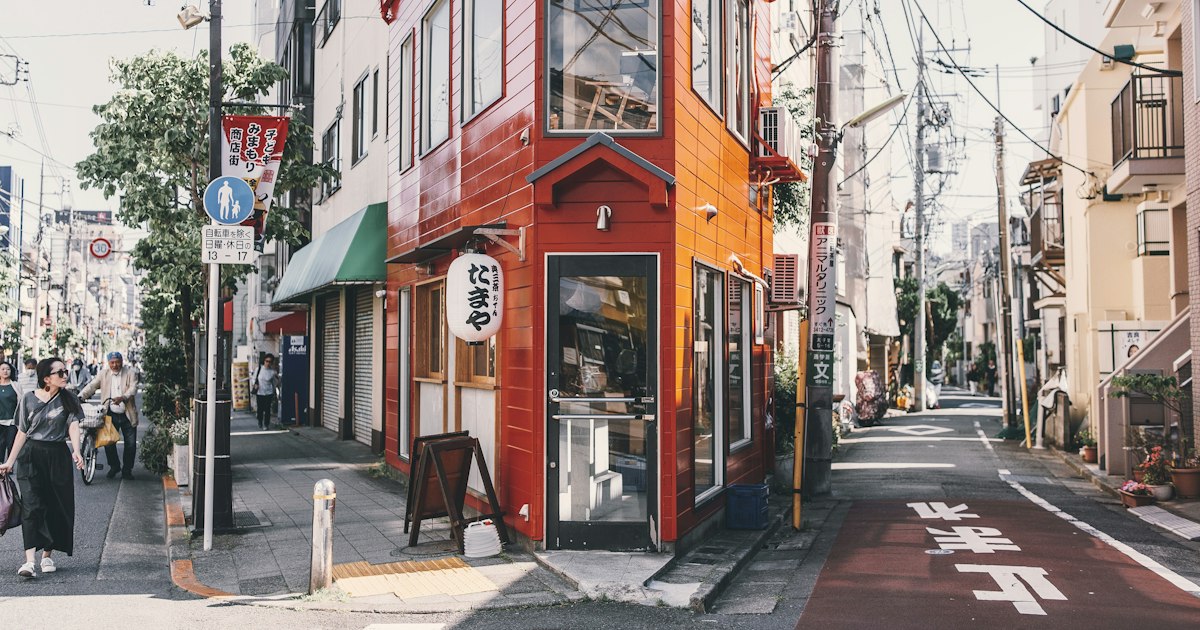
Photo by Guus Baggermans on Unsplash
Japanese sewing pattern books have a cult following among overseas dressmakers, and for good reason: multi-size nested patterns, meticulous technical drawings, and decades of back issues from magazines like Mrs Stylebook and Lady Boutique that rarely get reprinted once they go out of print. If you sew, the good news is that Tokyo is full of places to find these secondhand, often for a fraction of what the same issue sells for on Etsy once it leaves Japan. The less good news is that no single shop does it all — you need to know which stop is for browsing new stock, which is for digging through bins, and which is for the rare finds worth paying extra for.
Why Hunt for Patterns in Japan Specifically
Japanese pattern books work differently from Western ones. Instead of printed tissue in one size, most include a folded sheet of overlapping size lines (usually sizes 7–15 or S–LL) that you trace onto your own paper, plus a full magazine’s worth of styling photos and construction notes in Japanese. Because they’re treated as magazines rather than permanent reference books, print runs are small and back issues disappear fast — which is exactly why the secondhand market in Japan is so much richer than what filters out to international resellers. A ¥1,200 issue of Mrs Stylebook bought new in 2019 might now sell for $25–40 on Etsy; the same issue secondhand in Tokyo can still turn up for ¥300–800 if you know where to look.
Start at Yuzawaya — for Orientation, Not for Bargains
Yuzawaya is Japan’s largest handicraft chain, with branches in Shinjuku (inside Takashimaya Times Square), Jiyugaoka, Kichijoji, and dozens of other neighborhoods, generally open around 10:00–20:00. It’s worth visiting first even though almost everything there is new, not secondhand. Walking the pattern-book shelves lets you see which publishers and series are currently in print, what a new copy costs (typically ¥1,100–1,800 for a magazine-style pattern book, more for hardcover technique books), and how the sizing and pattern-sheet format work before you’re trying to evaluate a used, possibly incomplete copy elsewhere. Staff can also point you toward which discontinued series are popular enough that secondhand shops bother stocking them. Think of Yuzawaya as your reference stop, not your shopping destination.
Nippori Fabric Town: Books Tucked Between the Bolts
Nippori Sen-i Gai (Nippori Fabric Town), a five-to-ten-minute walk from the north exit of Nippori Station on the JR Yamanote Line, is Tokyo’s best-known fabric district — around 80 shops selling cloth, trim, buttons, and leather along a few blocks. It’s primarily a fabric destination, but several of the smaller shops keep a shelf or basket of secondhand and overstock pattern books near the register, usually unpriced individually and sold at a flat ¥100–300 per book. Nothing is curated or organized by title, so this is a flip-through-everything kind of stop rather than a targeted search. Most shops here close on Sundays and national holidays and keep hours around 10:00–18:00, so a weekday morning visit avoids both closures and crowds.
Jimbocho: Tokyo’s Real Secondhand Hunting Ground
For a genuine search, go to Jimbocho, Tokyo’s historic used-book district, reachable via Jimbocho Station on the Toei Mita, Toei Shinjuku, or Tokyo Metro Hanzomon lines. Jimbocho has well over a hundred secondhand bookshops (furuhonten), many specializing by genre — art, design, foreign-language, cinema — and a handful that keep a dedicated craft and fashion section with dressmaking books, kimono-cutting manuals, and vintage pattern magazines. Prices vary enormously by rarity: a common back issue might be ¥500–1,000, while an out-of-print Bunka Fashion College textbook or a 1970s–80s dressmaking manual with intact pattern sheets can run ¥2,000–6,000. Because these are specialist dealers rather than discount bins, condition and completeness (are the pattern sheets still attached?) are usually noted, which matters since a book missing its sheets is just a magazine. Many Jimbocho shops close on Sundays, so plan a weekday afternoon, and expect some stores to be cash-only.
Book Off and Recycle Shops: The Budget Option
For volume at low prices, Book Off — the nationwide secondhand chain with several branches across central Tokyo — carries a hobby and craft section that includes sewing and knitting books, usually priced ¥110–550 depending on condition and demand. Stock turns over constantly and isn’t curated for sewists, so you’re relying on luck, but the low price makes it worth a quick check if you’re already passing one. Unlike Jimbocho dealers, Book Off staff generally won’t know or care whether a pattern sheet is intact, so flip through any pattern magazine before buying to confirm the insert is still there.
Timing, Budget, and Common Mistakes
Late autumn through winter (roughly October–February) tends to bring slightly better stock, since many Japanese sewists clear out collections before the New Year. Bring a tote bag — pattern books are heavier than they look and shops rarely offer carrier bags for secondhand goods — and bring cash in small denominations for the smaller Jimbocho and Nippori shops. The single most common mistake is buying a pattern magazine without checking for the loose insert sheet (called the jissu or makeishi), since that sheet is the actual pattern and is easy for a previous owner to have removed or lost. The second mistake is assuming sizing matches Western pattern numbering — Japanese pattern sizes run smaller and are based on different bust/hip measurements, so check the size chart printed inside rather than going by the number alone.
Budget, Mid-Range, and Splurge Picks
For a budget trip, stick to Book Off and the unpriced baskets in Nippori — expect to spend ¥100–300 per book and treat finds as a bonus rather than a guarantee. For a mid-range, more deliberate hunt, spend an afternoon in Jimbocho’s specialist shops, where ¥500–2,000 buys you a well-preserved, complete back issue. If you’re chasing something specific — a particular decade of Mrs Stylebook, a discontinued Bunka textbook, or vintage Dior or Vogue Japan pattern reprints — the splurge move is asking a Jimbocho dealer directly or checking their shopfront listings, since rare finds can run ¥3,000–10,000 but arrive guaranteed complete and in far better condition than anything from a discount bin.
If this kind of backstreet, shop-by-shop secondhand hunting appeals to you, Tokyo rewards the same patience in other categories too — see our guide to setomono-ya secondhand tableware shops for a similar approach applied to antique plates, or our rundown of Tokyo’s specialist secondhand music gear shops if you’re building a whole itinerary around niche shopping. And if fabric and textile culture is drawing you to Japan in the first place, it’s worth reading about returning a rental kimono by mail while you’re already thinking about Japanese garment traditions.