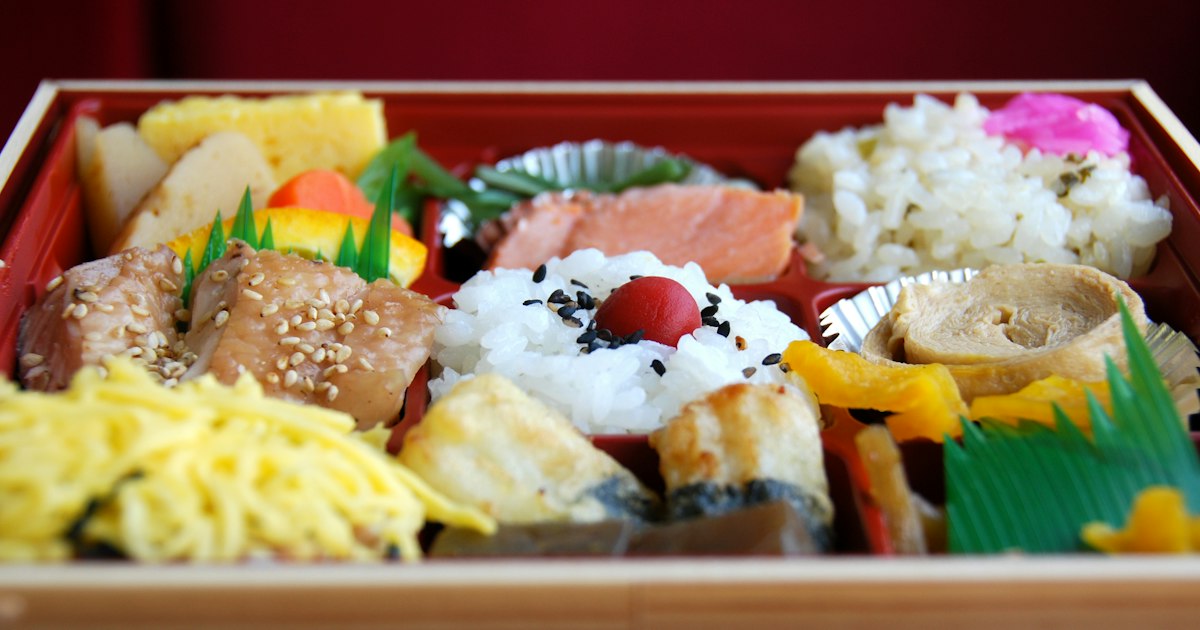
Photo by Hikari Graf on Unsplash
A bento box looks simple until you’re standing in a Tokyu Hands aisle facing two hundred options in six materials and four price tiers. The Japanese lunchbox is a genuine design category — engineered for portion control, leak-proofing, and the specific geometry of rice, not just a cute container with cartoon ears on it. This guide breaks down what’s actually worth buying, where to find it, and how much you should expect to pay.
What “Bento Box” Actually Means in Japan
In Japanese, bentō-bako (弁当箱) refers to any lunchbox, but the culture around it is specific: compartments (or dividers) that keep rice separate from mains and pickles, a size calibrated to roughly 600–700ml for an adult lunch, and a lid that seals well enough to go in a bag sideways. Tourist shops sell character-themed plastic boxes as souvenirs, which is fine, but if you want something you’ll actually use at home, look past the Studio Ghibli aisle toward the materials section — that’s where the real differences in quality and price live.
The Four Materials Worth Knowing
Plastic (purasuchikku): Lightweight, microwave- and dishwasher-safe, and the most practical for daily use. Reputable brands like Skater, Tiger Corporation, and Zojirushi make double-layer plastic bento with locking lids for ¥1,500–¥3,500. This is what most Japanese office workers actually carry.
Aluminum: The nostalgic, slightly clattery style from Shōwa-era school lunches. Not microwavable, but cheap (¥800–¥1,800) and genuinely durable — some people’s aluminum bento outlive several plastic replacements.
Magewappa (bent wood): Thin sheets of cedar or cypress steamed and bent into an oval, traditionally from Odate in Akita Prefecture. Wood absorbs excess moisture from rice, which is why rice tends to taste noticeably better out of one. Expect ¥5,000–¥15,000 for a genuine hand-finished piece; cheaper “wood-style” versions with a plastic liner run ¥2,000–¥4,000 and are a reasonable compromise if you don’t want to hand-wash wood daily.
Lacquerware (shikki/nurimono): Urushi-lacquered wood or resin bases, often from Wajima, Aizu, or Kishu lacquerware regions. These are the splurge tier — ¥10,000 to well over ¥50,000 for artisan pieces — and they’re not really “lunchbox for the office” items so much as heirloom objects you’d use for special occasions or display. If lacquerware interests you as a category, it’s worth comparing against other regional craft buying guides like Sake Cups & Tokkuri, since the same urushi techniques and price logic apply.
Where to Buy: From ¥110 to Artisan-Made
100-yen shops (Daiso, Seria, Can Do): Genuinely good for basic plastic bento at ¥110–¥330, plus rice molds, dividers ( baran ), and silicone cup liners. Fine for a starter box or a gift for a kid, not built for years of daily use.
Tokyu Hands and Loft: Mid-range department stores with the best single-stop selection — usually a full floor or section dedicated to bento and kitchen goods, with English-friendly signage in flagship Tokyo/Osaka branches. This is the easiest place to compare brands side by side.
Kappabashi Kitchen Town, Tokyo: Taito ward’s restaurant-supply district (nearest station: Tawaramachi on the Ginza Line, about 5 minutes on foot) is the best place for serious buyers — dozens of specialty shops sell professional-grade lacquerware, wood bento, and lunchbox accessories alongside the district’s famous plastic food replicas. If you’re making the trip, it pairs naturally with a stop covered in our Kappabashi sampuru guide — most shops open around 9:00–10:00am and close by 5:00–6:00pm, and some are closed Sundays, so a weekday morning visit is safest.
Department store basements (depachika) and specialty craft shops: For regional pottery-style bento (ceramic isn’t practical for carrying, but ceramic lunch sets are sold for home use) or porcelain side dishes to pack alongside your bento, it’s worth browsing ceramics guides like Tobe Ware for matching kitchenware.
Sizing: The Number That Actually Matters
Japanese bento are sold by volume in milliliters, and this is the spec to check before anything else. As a rule of thumb: 300–400ml suits a small child or a light lunch, 500–600ml is standard for an adult woman’s portion, and 650–800ml+ suits an adult man or anyone packing a full rice-plus-protein-plus-sides meal. Buying based on looks alone is the single most common mistake — a beautiful magewappa box that turns out to be 350ml will leave you hungry by 2pm.
Accessories Worth Adding
- Furoshiki or bento bag (¥800–�¥2,500): A wrapping cloth or insulated pouch keeps the box from sliding around and doubles as a placemat.
- Rice molds (¥300–¥800): Plastic press molds for making onigiri-style rice balls or panda/bear shapes — a Daiso staple.
- Divider cups and baran sheets (¥200–¥500): Silicone cups keep sauces and pickles from touching other food; green plastic baran sheets are the classic garnish/divider.
- An ice pack lid or cooling gel sheet (¥500–¥1,500): Genuinely necessary if you’re carrying a bento through a Japanese summer — food safety, not aesthetics.
Common Mistakes to Avoid
Don’t buy a box without checking whether it’s microwave- and dishwasher-safe if that matters to you — many wood and lacquer pieces explicitly are not, and the packaging will say so in Japanese only (look for 電子レンジ不可 = “not microwavable”). Don’t assume a locking, “leak-proof” claim means liquid-proof for a full soup — most are rated for slight moisture, not miso soup. And don’t skip the smell test on lacquerware: genuine urushi has a faint, not unpleasant lacquer smell that fades within a few weeks of use; a strong chemical odor on a cheap “lacquer-style” resin box is a sign of poor quality, not authenticity.
Best Time to Shop
There’s no strong seasonal pricing pattern for bento boxes, but two windows are worth knowing. New school and fiscal years start in April, so stores restock bento sections heavily from late February through April with the widest selection of the year. And late December through early January sees discounting on the previous year’s character/seasonal designs as shops clear stock for New Year merchandise. If you’re combining a Kappabashi trip with other Tokyo neighborhoods, it’s an easy add-on to a day that also includes canal-side browsing in Nakameguro.
For a first bento box to actually use, a mid-range double-layer plastic model from Skater or Tiger at ¥2,000–¥3,000 is the safe, practical choice. If you want one souvenir-grade piece to bring home, a Kappabashi-bought magewappa box is the better investment than lacquerware unless you’re prepared to hand-wash and air-dry it after every use — which, for most travelers, ends up being the real deciding factor.