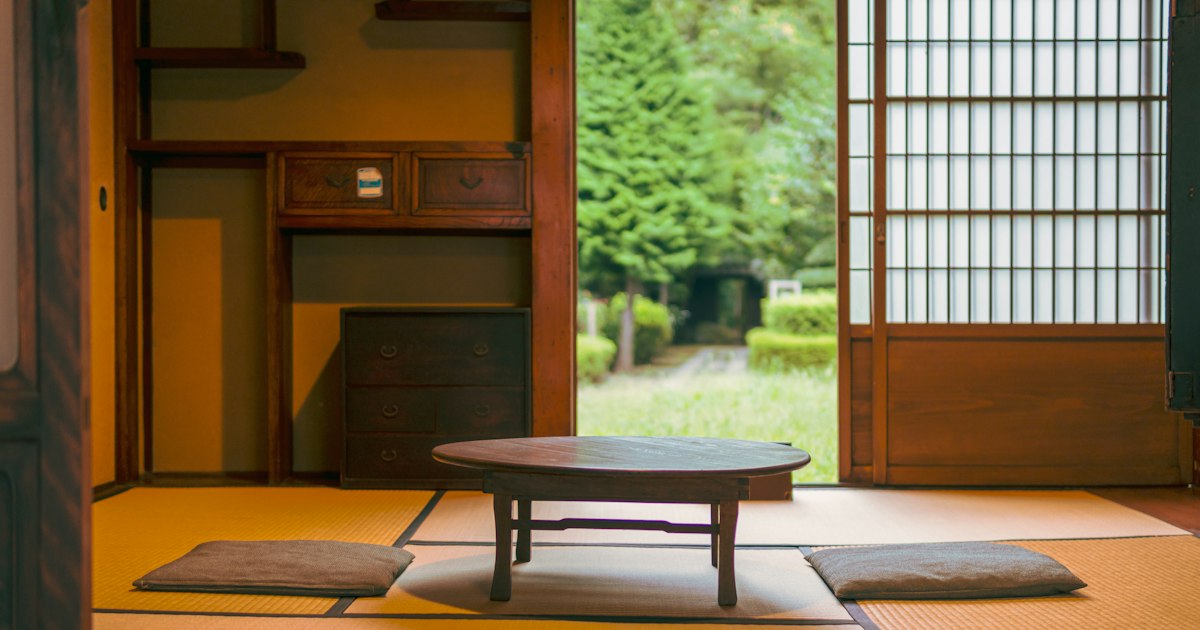
Photo by Se. Tsuchiya on Unsplash
The word “futon” gets used loosely overseas for any low-slung mattress, but in Japan it refers to a complete layered sleep system: a firm bottom pad you lie on, a duvet-like cover on top, and usually a small, dense pillow. If you’ve stayed in a ryokan or an Airbnb with tatami floors, you’ve already slept on one. Buying your own — whether to use in a Japanese apartment, a tatami guest room back home, or just to upgrade your sleep — is easier than it looks once you know what the pieces are actually called and where to shop for them.
The Four Pieces of a Real Futon Set
A traditional set (futon ichiryo) has four components, and shops sell them both separately and bundled:
- Shikibuton (敷布団) — the bottom mattress pad, usually 5–10cm thick, filled with cotton, wool, or synthetic fiber. This is the part doing the work of supporting your spine, so don’t skimp here.
- Kakebuton (掛布団) — the duvet on top, equivalent to a comforter.
- Makura (枕) — the pillow, often firmer and smaller than Western pillows; buckwheat-husk (soba-gara) pillows are a classic choice and mold to your neck.
- Futon cover (布団カバー) — a removable cotton or gauze cover for the kakebuton, washed far more often than the duvet itself.
Sizes follow standard labels: single (shingle, roughly 100×210cm), semi-double, and double. If you’re shipping home, double-check your bed frame dimensions against Japanese sizing — it doesn’t always match Western “twin” or “queen” exactly.
Where to Buy: Budget to Splurge
Budget (¥3,000–¥15,000 per piece): Nitori is the best starting point — it’s Japan’s IKEA-equivalent for home goods, with shikibuton from around ¥4,000 and full sets with cover and pillow for ¥10,000–¥15,000. Stores exist nationwide, including large branches in suburban Tokyo and near Okutama if you’re furnishing a mountain cabin. Don’t overlook Nitori’s quilted cotton futon covers, which are noticeably better value than the synthetic ones at convenience-oriented stores.
Mid-range (¥15,000–¥50,000): Muji sells well-constructed cotton and wool shikibuton with clean, minimal covers — reliable if you want something that won’t look out of place in a Western bedroom. Tokyu Hands and Loft (department store basements, found in most major cities) carry a wider curated selection including buckwheat pillows and seasonal gauze covers.
Splurge (¥50,000–¥150,000+): Nishikawa, a bedding maker operating since 1566, is the name serious shoppers look for — their washable, densely-packed cotton futon and silk-blend kakebuton are built to last decades with proper care. Their flagship is in Nihonbashi, Tokyo, open roughly 10:00–19:00, and staff can advise on filling weight based on your body size and the season. Expect ¥60,000–¥120,000 for a quality shikibuton-kakebuton set in this tier.
If you’re also hunting fabric to sew your own futon cover — a popular souvenir project since Japanese cotton and gauze (gauze pile) textiles are excellent and affordable — Nippori Fabric Town has dozens of shops selling cotton by the meter at a fraction of finished-product prices.
Picking a Filling: Cotton, Wool, or Synthetic
This is the decision that actually affects your sleep quality. Pure cotton futon are traditional, breathable, and get firmer (in a good way) with sun-airing, but they’re heavy — a double shikibuton can weigh 5–6kg — and need regular maintenance. Wool blends are lighter and insulate better in winter. Synthetic (polyester) fillings are the cheapest, lightest, and machine-washable, making them the practical choice for humid regions or anyone who doesn’t want to deal with airing schedules. If you have a family with a baby, note that infant futon sets with breathable, lighter filling are sold specifically for cribs and floor sleeping — Akachan Honpo stocks these alongside the rest of its baby-goods range and is worth a stop if you’re setting up a nursery during a long stay.
Best Season to Buy
Futon shops run their biggest sales at two points in the year: late December into January (New Year clearance, when stores discount floor stock by 20–40%) and early September (end-of-summer sales ahead of autumn restocking). If you’re buying a wool or heavier cotton futon for warmth, shop in September–October before cold-weather stock sells out; lighter synthetic and gauze options are easiest to find in spring.
How to Use and Care for It
A few habits separate a futon that lasts fifteen years from one that gets musty in two:
- Air it weekly. Hang the shikibuton over a balcony railing or a futon-airing stand for 1–2 hours on a dry, sunny day. This is non-negotiable in Japan’s humid climate — skipping it invites mold and dust mites, especially on tatami floors where airflow underneath is limited.
- Fold, don’t leave flat. If you’re sleeping on tatami, fold the futon in thirds each morning and store it in an oshiire (built-in closet) rather than leaving it spread out all day.
- Use a futon dryer in winter or rainy season. A kakebuton/shikibuton dryer (sold at Nitori and Yamada Denki for ¥8,000–¥15,000) blows warm air through the layers in about an hour — the standard solution when balcony airing isn’t practical.
- Wash the cover, not the futon. Covers are machine-washable; the futon itself should only be professionally cleaned or sun-aired.
Common Mistakes to Avoid
The most frequent misstep foreign buyers make is choosing a shikibuton that’s too thin for a Western-style bed frame — traditional shikibuton are designed to go directly on tatami or a firm wood floor, and a 5cm pad on a soft spring mattress will feel lumpy. If you’re putting it on a bed frame, either buy a thicker (8–10cm) model or add a futon-specific foundation. The second mistake is buying a full bundled “set” without checking the filling material separately for the shikibuton and kakebuton — bundles often pair a good duvet with a cheap, thin base pad to hit a lower price point, so ask or check the tag for each piece’s wata (filling) weight in kilograms, not just the overall price.
Finally, if you’re shipping a futon home, remember cotton ones are dense and heavy — factor that into luggage weight or courier costs, and consider a vacuum-compression bag (sold at any ¥100 shop or Nitori) to cut the volume by half for the trip.