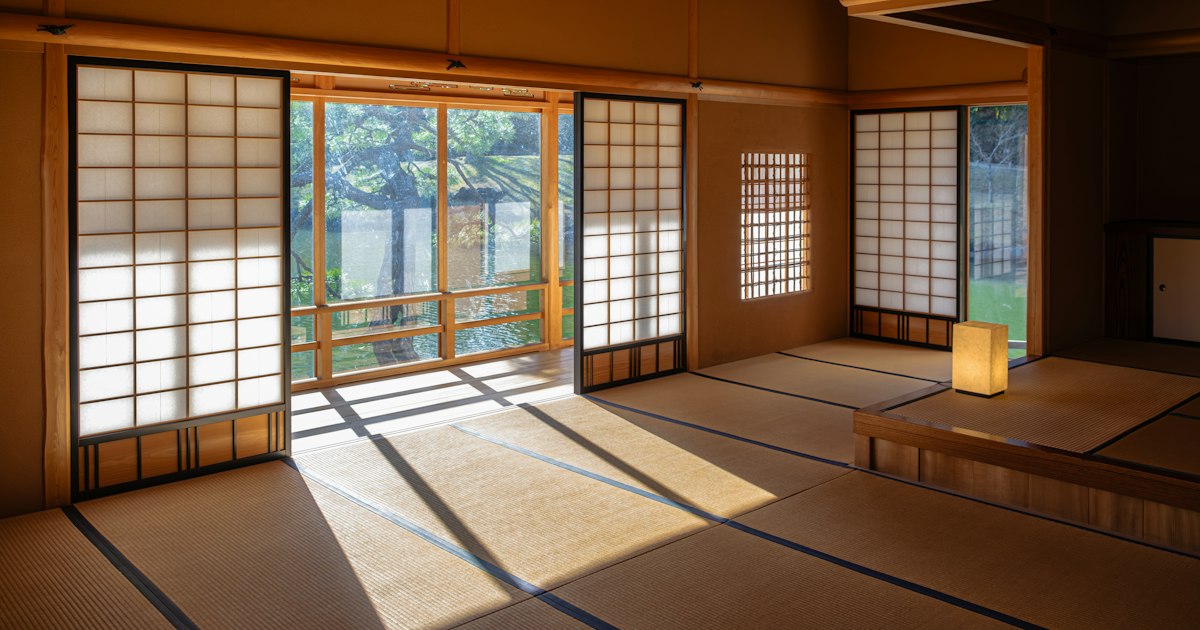
Photo by Viviana Nysaether on Unsplash
Walk into almost any Japanese apartment in January and you’ll find the family gathered not around a radiator, but on the floor, on top of a carpet that’s quietly warming their feet through its fibers. That’s a denki carpet (電気カーペット, “electric carpet”), and for most Japanese households it isn’t a cozy extra — it’s the main source of winter heat in the room. If you’re renting an apartment in Japan, staying somewhere without central heating, or just curious why your Airbnb host left a folded carpet with a plug on it, here’s what you need to know.
What a Denki Carpet Actually Is
A denki carpet is a thin, flexible mat — usually 1–2cm thick — with electric heating wires sandwiched between layers of insulation and a removable fabric cover. You plug it in, pick a heat level (usually low/medium/high, sometimes with separate left/right zones so two people can set different temperatures), and the whole surface warms within about 10–15 minutes. Unlike a space heater, it doesn’t heat the air — it heats the thing you’re sitting or lying on, which is far more efficient for how Japanese people actually live: seated on the floor, around a low table, often under a kotatsu.
Most models have a built-in timer (1, 2, 4, or 8 hours) and an auto-shutoff safety feature, and the top cover unzips so you can machine-wash it — important, since this thing doubles as a rug that gets walked on, sat on, and occasionally where someone spills tea.
Why It Replaces Central Heating
Japan’s housing stock is notoriously under-insulated by Western or Scandinavian standards — single-pane windows and thin walls are still common even in newer builds, and central ducted heating is rare outside luxury condos. Heating an entire house’s worth of air that leaks out through the windows anyway is seen as wasteful, both for electricity bills and for the environment. The Japanese approach instead is to heat people, not rooms: a kotatsu (heated table with a blanket skirt) for your lap, a yutanpo hot water bottle for your bed, and a denki carpet for the floor you’re sitting on. Run together, this “spot heating” trio can cost a fraction of what whole-room heating would, especially since Japanese electricity runs roughly ¥27–35/kWh depending on region and plan — a mid-size carpet on medium heat typically draws around 200–400W, so a few hours a night costs only ¥20–40.
It also explains why so many apartments feel genuinely cold in the hallway or bathroom but perfectly comfortable the moment you step onto the living room carpet — the heat is deliberately concentrated where people actually sit.
Sizes and Prices
Denki carpets are sold by tatami-mat sizing (1 jo ≈ 1.65m²), so a “2-jo” carpet fits a small living room corner and a “3-jo” covers a standard 6-tatami room.
- 1-jo (about 100 x 100cm): ¥2,500–4,500 — good for a single desk or reading nook
- 2-jo (about 130 x 176cm): ¥5,000–9,000 — the most common size for couples or a small living room
- 3-jo (about 176 x 220cm): ¥9,000–16,000 — covers most of a standard living room floor
- Premium multi-zone or “hot carpet + rug” combo units with washable high-pile covers and dual controllers: ¥18,000–30,000+
Brands to look for: Panasonic, Sanyo (now under Panasonic’s lineup), Yamazen, and Nitori’s own house brand, which is consistently the cheapest reliable option.
Where to Buy One
You don’t need a specialty store — denki carpets are a mainstream household item in Japan from autumn through late winter.
- Nitori — Japan’s answer to IKEA, and the best value for denki carpets. Most stores are suburban, but there’s a convenient branch in Harajuku (Nitori Harajuku, open 11:00–20:00) if you want to see one in person.
- Bic Camera / Yodobashi Camera — the big electronics chains stock them in the seasonal/home appliance section. Bic Camera Yurakucho (near Tokyo Station/Ginza) is open 10:00–21:00 and has English-speaking staff and tax-free counters for tourists.
- Don Quijote — carries compact 1-jo and 2-jo sizes, useful if you’re already there for souvenir shopping; many central Tokyo branches are open 24 hours.
- Amazon Japan / Rakuten — the easiest route if you’re buying for a Japan-based apartment and want it delivered rather than carried home on the train.
Best Time of Year to Buy
Denki carpets hit shop floors in late September and are fully stocked by October. If price matters more than selection, the real bargains show up during end-of-season clearance in late February through March, when stores discount remaining stock by 30–50% to clear shelf space for spring goods. Buying in peak December, right as the first cold snap hits, means full price and sometimes thinner stock of popular sizes.
Common Mistakes to Avoid
- Buying one to take home outside Japan. Japanese appliances run on 100V. In North America (120V) they’ll run a bit hot and may shorten the carpet’s lifespan; in 220–240V regions (Europe, Australia, most of Asia) they simply won’t work safely without a step-down transformer, which often costs more than the carpet itself. This is a “buy it to use here” item, not a souvenir.
- Leaving it on all night at high heat. Most models have an auto-shutoff, but older or secondhand units may not. Use the timer function rather than letting it run unattended for 8+ hours.
- Skipping the under-layer. Placing the carpet directly on tatami traps moisture and can cause mold over a season of use; a thin breathable underlay (sold alongside the carpets, ¥1,000–2,000) solves this.
- Assuming it heats a whole room like a heater. It warms what’s touching it — great for sitting or sleeping on, useless for raising the air temperature of a cold room. Pair it with a small space heater or kerosene heater (common in colder regions like Tohoku and Hokkaido) if you need both.
- Not checking the cover is removable before buying secondhand. Carpets bought used from recycle shops sometimes have the cover sewn rather than zipped — fine if you don’t mind spot-cleaning, annoying if you were counting on tossing it in the washing machine.
Budget, Mid-Range, and Splurge Picks
Budget (¥2,500–5,000): A Nitori or Don Quijote house-brand 1-jo carpet. No frills, one heat dial, but does the job for a desk corner or single futon spot.
Mid-range (¥8,000–12,000): A 2- to 3-jo Yamazen or Panasonic model with dual-zone heating and a timer — the sweet spot for a shared living room, and what most long-term renters in Japan actually buy.
Splurge (¥20,000+): A high-pile “carpet + rug” hybrid with a soft removable cover and multi-point temperature sensors, the kind you’ll see advertised around Bic Camera’s winter home-appliance floor in November. Worth it if you’re furnishing a long-term apartment and want something that looks good year-round, heating element aside.
Whether you’re setting up a short-term rental or just curious why your host’s living room feels so toasty despite the drafty window, the denki carpet is a small, cheap window into how practically — and efficiently — Japanese homes handle winter without ever flipping on central air.