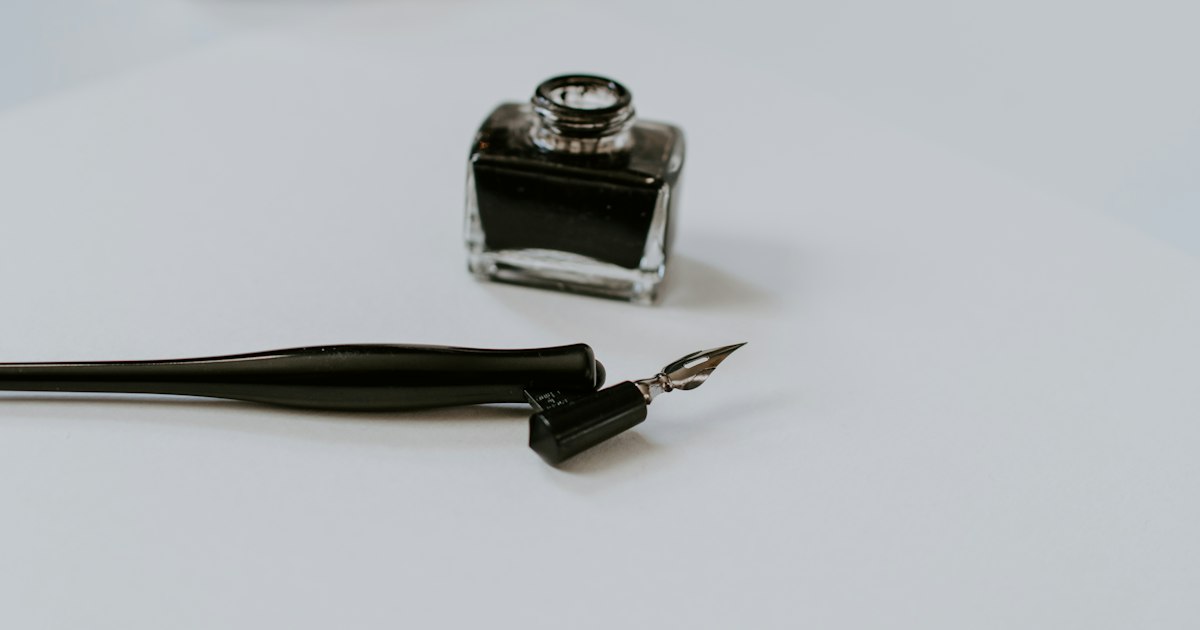
Photo by Kelly Sikkema on Unsplash
Walk into the right stationery shop in Tokyo or Yokohama and you’ll find something that looks suspiciously like a cocktail bar — except instead of whisky and gin, the backlit shelves hold rows of jewel-colored fountain pen ink. This is Japan’s “ink bar” scene, a niche but growing corner of the stationery world where staff act like sommeliers, customers sip tea while testing nib widths, and you can walk out with a bottle of ink mixed to your own specification. If you love paper goods, this is one of the most rewarding specialty shopping experiences in the country — and one most first-time visitors never hear about.
What “Hakuchoge” Means and Why the Trend Took Off
Hakuchoge is the informal name stationery fans use for the ink-bar format: a counter display of dozens of ink bottles lit from below, styled deliberately like a liquor shelf, where customers sample colors by dipping glass pens before buying. The format spread as Japanese stationery makers — Sailor, Pilot, Platinum, and boutique ink houses like Kobe-based Nagasawa — leaned into the idea that ink itself could be a collectible, seasonal, limited-edition product rather than just pen refill. Shops responded by building tasting-bar environments instead of simple shelf displays, and a few added genuine cafes so customers could write with a sample pen while their coffee cooled.
It fits a broader pattern in Japanese retail where specialty hobbies get dedicated, almost ceremonial shopping spaces — the same instinct behind places covered in our guide to LEGO Certified Stores in Japan or the collector culture around sofubi soft vinyl figures. If you enjoy that kind of deep, well-merchandised niche shopping, ink bars deliver the same payoff with a lower price of entry.
Where to Find Ink Bars in Tokyo and Beyond
A handful of shops anchor the scene:
- Kakimori (Kuramae, Tokyo) — the best-known custom-ink shop in the country. Open roughly 11:00–18:00, closed Mondays (check current hours before visiting, as they shift seasonally). Nearest station is Kuramae on the Toei Asakusa and Oedo lines, about a 5-minute walk.
- Itoya Ginza flagship — the stationery department store’s upper floors include a dedicated pen and ink floor with testing counters. Open daily, roughly 10:00–20:00, a short walk from Ginza Station.
- Pen Station (Marunouchi, Tokyo) — a pen specialist near Tokyo Station with a large ink-sampling bar and staff who can tune nibs on the spot.
- Yurindo (Yokohama) — a long-running pen shop with an extensive ink wall, popular with serious collectors visiting from outside Tokyo.
None of these require reservations for casual browsing, but the custom ink-blending service at Kakimori does require booking a slot in advance, especially on weekends.
How Custom Ink Blending Works — and What It Costs
The signature experience is mixing your own ink color from a palette of base pigments. At Kakimori, you work with a staff member to adjust a base color using small pipettes, test it on paper as you go, and once satisfied, the shop bottles and labels it for you. Expect to pay roughly ¥2,000–2,500 for a 30ml bottle including the custom-blending session, plus extra if you want a custom-engraved pen nib or a personalized label. The whole process takes 20–40 minutes depending on how many adjustments you make, so don’t schedule it between two other appointments.
If you’d rather just buy ready-made boutique ink, single 15ml bottles from brands like Sailor’s Ink Studio series or Nagasawa’s Kobe INK Monogatari line generally run ¥1,500–2,000, while larger 50ml bottles from mainstream brands like Pilot Iroshizuku land around ¥1,800–2,500. Fountain pens themselves range enormously — a basic steel-nib Pilot Kakuno starts around ¥1,200, while a mid-range Sailor Pro Gear with a gold nib runs ¥25,000–40,000, and limited lacquer or maki-e pens from Nakaya or Namiki can run into six figures.
Best Time to Visit and How to Avoid the Crowds
Weekday afternoons, especially Tuesday through Thursday between opening and 15:00, are the quietest window at Kakimori and similar small shops — weekends can mean a short wait for the blending counter. Late autumn and early winter (roughly October through December) is peak season for stationery shopping generally, since many brands release seasonal and holiday-limited ink colors, which also means better selection but more foot traffic. If your main goal is a relaxed custom-blending session rather than browsing limited releases, aim for a weekday morning in spring or midsummer instead.
Common Mistakes First-Time Visitors Make
- Not checking if ink is on the restricted-carry list. Bottled ink is a liquid — if you’re flying out soon after, keep bottles under 100ml in checked luggage rather than carry-on to avoid issues at security.
- Assuming any pen works with any ink. Some boutique inks, especially shimmering or highly saturated ones, aren’t recommended for vintage or very fine nibs because of clogging risk — ask staff before buying if you’re using an heirloom pen.
- Skipping the language barrier prep. Staff at flagship shops like Itoya often speak some English, but smaller independent ink bars may not. Having the color or brand name written down, or a translation app ready, speeds things up considerably.
- Forgetting the tax-free threshold. Stationery purchases are eligible for Japan’s consumption tax exemption at participating stores if you spend over ¥5,000 in a single transaction and show your passport — worth bundling ink, pens, and paper into one purchase. If you’re also shopping for bigger-ticket items on the same trip, it’s worth comparing against our guide on downtown duty-free shopping in Ginza and Shinjuku versus the airport, since the same spend-threshold logic applies.
Budget, Mid-Range, and Splurge Options
On a tight budget, a ¥1,200 Kakuno pen paired with a ¥1,500 bottle of boutique ink gets you a genuine, giftable souvenir for under ¥3,000. For a mid-range experience, budget ¥5,000–8,000 for a quality steel-nib pen plus a custom-blended ink session — enough to leave with something nobody else owns. If you want to splurge, a gold-nib pen in the ¥25,000–40,000 range paired with a rotating subscription or seasonal limited-edition ink set makes a serious, lasting purchase that’s genuinely hard to replicate outside Japan.
Whichever tier you’re shopping at, treat the visit as an experience rather than a quick stop — the appeal of Hakuchoge-style ink bars is the slow, tactile process of testing colors on paper, not just the bottle you walk out with.