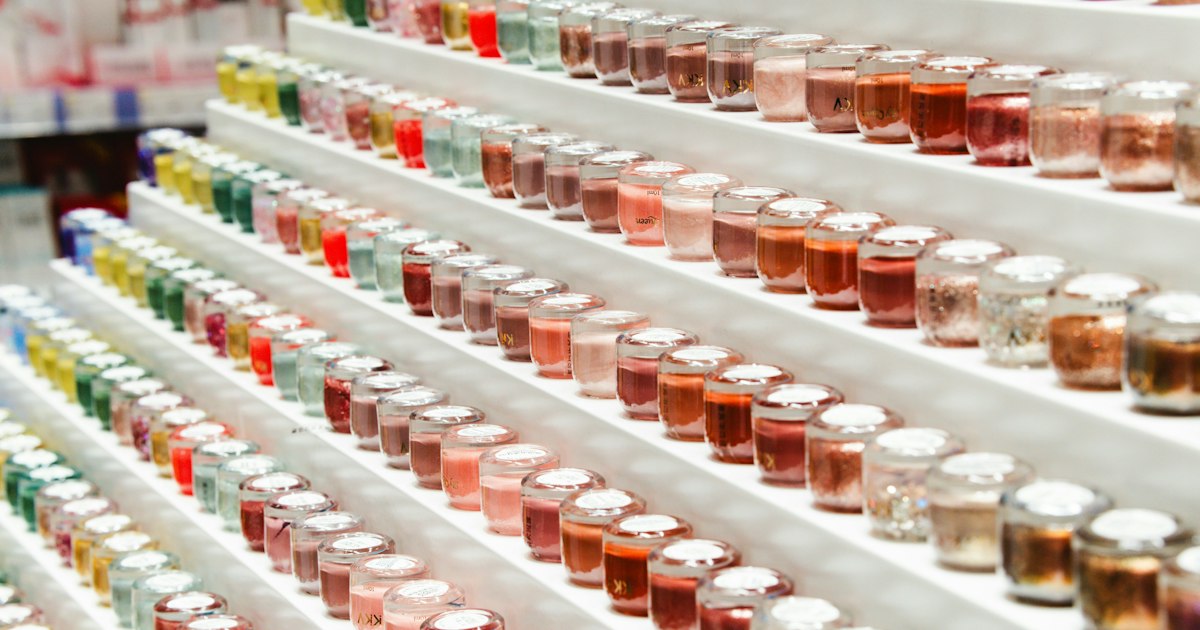
If you’ve ever stood in a Tokyo drugstore staring at forty nearly identical pink and black bottles, you already know the problem: Japanese shampoo aisles are enormous, mostly in Japanese, and genuinely confusing even for people who speak the language. The good news is that once you understand a handful of brand names and hair-type codes, shopping becomes fast and cheap — and you’ll come home with hair care that’s noticeably different from what’s on shelves back home.
Why Japanese Shampoo Has a Cult Following
Japanese hair care leans heavily on “repair” chemistry — camellia oil, amino acid cleansers, and silicone blends designed for straight, fine-to-thick Asian hair that’s prone to frizz and static rather than curl. Formulas are generally gentler (lower sulfate content) and heavily fragranced, which is why bottles are sold by scent family almost as much as by function. Shiseido’s Tsubaki and Kracie’s Ichikami are the two most recognizable names to overseas visitors, but they sit in a crowded field that also includes Kao’s Essential and Merit, Lux Japan, Pantene Japan (reformulated for the local market), and Moist Diane, a long-time favorite among expats for its oil-based “Perfect Beauty” line.
Tsubaki vs. Ichikami: What’s the Difference
Tsubaki (椿, “camellia”) launched in 2006 and became famous almost overnight thanks to a TV ad campaign featuring dozens of Japanese actresses with glossy black hair. It’s built around camellia oil and comes in several lines — Premium Moist (deep repair, purple cap), Premium Repair (damage/color-treated hair, red cap), and Scalp/Volume lines for thinning or fine hair. A standard 490ml bottle runs about ¥700–900, with matching conditioner at a similar price.
Ichikami (一彼, meaning roughly “one hair, treasured”) is Kracie’s response, launched in 2018 with a more old-fashioned, “Japanese beauty secrets” aesthetic — rice bran, yomogi (mugwort), and camellia extracts, sold in muted botanical packaging. It’s slightly gentler and less heavily scented than Tsubaki, which makes it popular with people who find Japanese shampoo fragrance overwhelming. Expect ¥650–850 for a 480ml bottle. Both brands sell smaller travel sizes (around 360–380ml) that are easier to pack.
Neither brand is dramatically “better” — Tsubaki skews glossier and more fragrant, Ichikami skews calmer and more natural. If your hair is damaged or color-treated, look for the word “ダメージ” (damage) or “リペア” (repair) on the cap; if you want volume, look for “ふんわり” (fuwari, fluffy) or “ボリューム.”
Where to Buy: Drugstores, Don Quijote & Duty-Free
You don’t need to hunt for a specialty shop — this is drugstore and konbini territory. Matsumoto Kiyoshi, Sundrug, Kokumin, and Cosmos are the major drugstore chains, found near almost every major train station, typically open 9:00 or 10:00am to 9:00 or 10:00pm. Don Quijote (Donki) stores, many open 24 hours, stock the same brands slightly more expensively but are useful late at night or for tax-free bundling. Supermarkets and even convenience stores carry smaller sizes, though at a markup — the same instinct that makes a convenience store coffee or egg sandwich convenient rather than cheap applies here too.
For tax-free shopping, drugstores require a minimum spend of ¥5,000 (before tax) per store per day to qualify for the 10% consumption tax exemption — bring your passport. Loft and Tokyu Hands also stock curated hair-care sections, often with higher-end salon brands (Shiseido Professional, Milbon) alongside the mainstream names, and both are worth a stop if you’re already shopping for souvenirs the way you might browse a district known for a specific craft, the way visitors seek out Sakai’s knife shops for something more specialized than a department store.
Airport duty-free shops (Narita, Haneda, Kansai, and Chubu Centrair for those flying through the Nagoya region) sell Tsubaki and Shiseido gift sets, but prices run 20–40% higher than drugstores — treat airport shelves as a last-minute backup, not your main stop. If you’re routing through Chubu Centrair, buy in Nagoya city beforehand and save the airport purely for anything you forgot.
Budget, Mid-Range and Splurge Picks
- Budget (¥400–700): Kao Essential or Merit, Lux Japan basic lines — solid everyday shampoo, widely available, good for a first try.
- Mid-range (¥650–1,200): Tsubaki Premium Moist/Repair, Ichikami, Moist Diane Perfect Beauty oil-in shampoo — the sweet spot most visitors should aim for, and easy to find in any drugstore.
- Splurge (¥1,800–4,000+): Shiseido Professional “The Hair Care,” Lebel, or Number Three salon lines sold at Tokyu Hands and Loft — closer to what a Japanese hairdresser would actually use, and a genuinely different product from what’s sold overseas.
Best Time to Shop and Common Mistakes
There’s no real seasonality to buying shampoo, but spring (March–April) and year-end (late December) bring promotional bundles and gift-set packaging — useful if you’re buying for someone back home. The most common mistake foreign shoppers make isn’t price, it’s volume and liquid restrictions: full-size bottles (480–490ml) exceed the 100ml carry-on liquid limit, so anything over that must go in checked luggage, not your day bag. Pack bottles in a sealed plastic bag regardless — Japanese shampoo caps aren’t always pressure-tested for cargo-hold altitude changes, and a leaked bottle in a suitcase is a familiar travel-forum complaint.
The second mistake is buying on scent alone. Japanese bottles rely on kanji and katakana codes for hair type that a quick phone-camera translation will decode in seconds — a cute bottle for damaged hair won’t do much if your hair is already fine and limp. If you’re unsure, drugstore staff are used to pointing tourists toward the right shelf; pointing at your hair and saying “shitori” (moisture) or “karui” (light/volume) usually gets you steered correctly.
Packing and Bringing It Home
Buy travel-size bottles (360–380ml, sometimes smaller 150ml versions) if you’re flying with carry-on only, and save full-size bottles for checked bags or for shipping home separately — most drugstores can arrange international shipping for an extra fee if you’re buying in bulk. One underrated tip: these brands also sell matching hair masks and leave-in treatments (look for “ヘアマスク” or “アウトバス”) in smaller, lighter packaging than the shampoo bottles themselves, which makes a better space-to-payoff ratio if your suitcase is already tight. Either way, a ¥700 bottle of Tsubaki or Ichikami remains one of the easiest, lightest, most useful souvenirs you can bring back from a Japan trip — cheaper than it looks from the shelf, and genuinely different from what’s waiting for you at home.