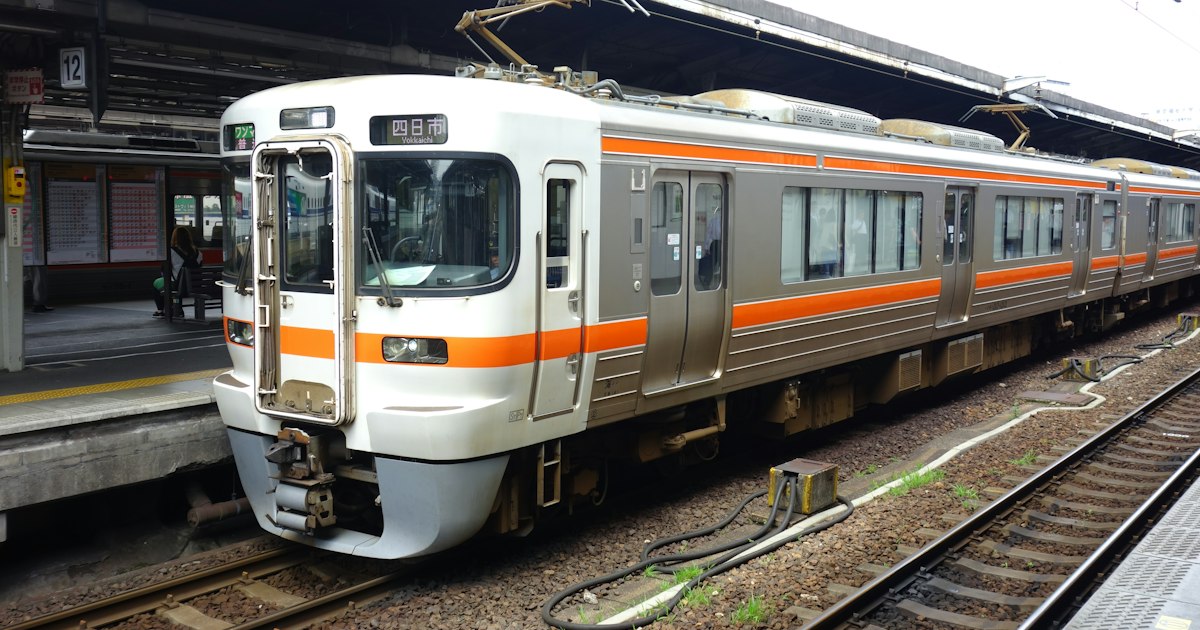
Chubu Centrair International Airport (NGO) sits on a reclaimed island in Ise Bay, about 35 km south of central Nagoya, and it’s the main gateway for central Japan — the Alps, Takayama’s old town, and the shrines of Ise-Shima. Unlike Narita or Kansai, Centrair is small and genuinely easy to navigate, but because it isn’t connected to the Shinkansen network, getting onward takes a bit of planning. Here’s how to reach Nagoya, Takayama, and Ise directly from the terminal.
Getting to Nagoya Station
The fastest and simplest option is the Meitetsu Centrair Line, which runs directly from a station inside the airport terminal to Nagoya Station — no transfers, no shuttle buses. Two train types make the run:
- μ-SKY (limited express): around 28 minutes, all-reserved seating. Fare is roughly ¥1,230 base fare plus a ¥360 limited-express surcharge (about ¥1,590 total). Seats can be reserved at the airport ticket counter or via the Meitetsu app.
- Regular/rapid express trains: around 40–45 minutes, no reservation needed, same ¥1,230 base fare. These run frequently (roughly every 10–15 minutes) and are the budget-friendly default if you don’t mind standing for part of the ride during peak hours.
Buy tickets from the machines or counter just past arrivals — staff usually speak enough English to help with the μ-SKY reservation. If you’re connecting onward by domestic flight instead of train, it’s worth comparing options first in our guide to LCC vs JAL & ANA for domestic flights, since Centrair also serves routes to Okinawa and other long hops where a legacy carrier’s baggage allowance can beat a cheap LCC fare.
Getting to Takayama
There’s no train directly from the airport to Takayama, so you have two real choices:
- Direct highway bus: Nohi Bus runs a limited number of direct departures between Centrair and Takayama, taking roughly 4 hours. Seats should be reserved in advance in cherry blossom and autumn leaf season, since this route sells out. This is the easier option if you have heavy luggage and don’t want to change trains mid-trip.
- Train via Nagoya: Take the Meitetsu line into Nagoya Station, then transfer to the JR Hida limited express, which climbs through the Japanese Alps to Takayama in about 2 hours 15 minutes to 2 hours 40 minutes. This route is covered by the JR Takayama-Hokuriku Area Pass if you already have one, and the mountain scenery along the Hida River valley is genuinely one of the better train rides in the country — fans of scenic rail routes will want to also check our roundup of Japan’s best scenic sightseeing trains for other lines worth building a trip around.
Whichever way you go, reserve seats on the Hida limited express or the direct bus as early as you can — both run infrequently, and a missed reservation can mean a multi-hour wait for the next one.
Getting to Ise and Toba
Ise-Shima is technically closer to the airport than Takayama, but it’s in neighboring Mie Prefecture and isn’t on the Meitetsu network, so the connection takes a little more legwork:
- Highway bus: Mie Kotsu operates a limited daily service between Centrair and the Ise-Toba area, taking roughly 2 hours. Departures are infrequent (sometimes just one or two a day), so check the current schedule before you build your itinerary around it.
- Train via Nagoya: The more flexible option is the Meitetsu line into Nagoya, followed by a Kintetsu limited express to Ise-shi or Toba Station (about 1 hour 20 minutes from Nagoya). Kintetsu runs these trains every 30–60 minutes, which makes it easier to build a schedule around than the direct bus.
If shopping is part of your Ise-Shima plans, Mie Prefecture is also home to Yokkaichi’s Banko-yaki pottery tradition — our guide to Banko-yaki clay teapots covers where to find the real thing if you want a souvenir with some local history behind it rather than a generic gift-shop item.
At the Airport: Facilities and Timing
Centrair’s terminal is compact — you can walk from security to the furthest gate in under 10 minutes, which makes it one of the few Japanese airports where a 90-minute connection window is genuinely comfortable rather than stressful. Key things to know:
- Shops and restaurants in the main terminal generally operate from around 7:00 AM to 9:00 PM, though hours shift seasonally and some close earlier on quiet days — don’t plan a late dinner here without checking current hours first.
- There’s a rooftop observation deck (Sky Deck) that’s free to access and a good spot to watch takeoffs while you wait, especially around sunset.
- Coin lockers and a baggage forwarding counter (Yamato Transport / takkyubin) are available in the arrivals area if you want to send luggage ahead to your hotel in Takayama or Nagoya rather than hauling it on a train.
- If you land early and need a coffee before your connecting train, skip the airport café queue and grab one from a convenience store once you reach Nagoya Station — see our guide to using convenience store coffee machines for a quick, cheap fix that’s often better than it sounds.
Best Timing and Seasonal Notes
For Takayama, aim to arrive on an early flight if you’re heading there the same day — the last direct bus and the last convenient Hida limited express connection both tend to leave Nagoya by early evening, and missing them means an overnight in Nagoya instead. Cherry blossom season (late March–early April) and autumn foliage (mid-October to mid-November) are the two periods when both the Takayama bus and the Hida limited express sell out days in advance, so reserve as soon as your flight is booked. Ise-Shima is busiest around New Year (hatsumode visits to Ise Grand Shrine) and Golden Week in early May — bus and train seats on the Kintetsu line get tight both times.
Common Mistakes to Avoid
- Assuming Centrair connects to the Shinkansen: it doesn’t. Every onward journey funnels through Nagoya Station first, so budget the 28–45 minute Meitetsu ride into your total travel time.
- Not reserving the Hida limited express or the Takayama bus: both have limited daily departures and sell out in peak season, unlike the frequent Meitetsu and Kintetsu trains.
- Buying a μ-SKY ticket without realizing it’s reserved seating: if you just want the cheapest, most flexible option to Nagoya, the regular express trains work fine and run far more frequently.
- Underestimating the Ise-Toba bus schedule: with only one or two direct departures a day, it’s easy to miss the window — the Nagoya-Kintetsu route is the safer backup plan.