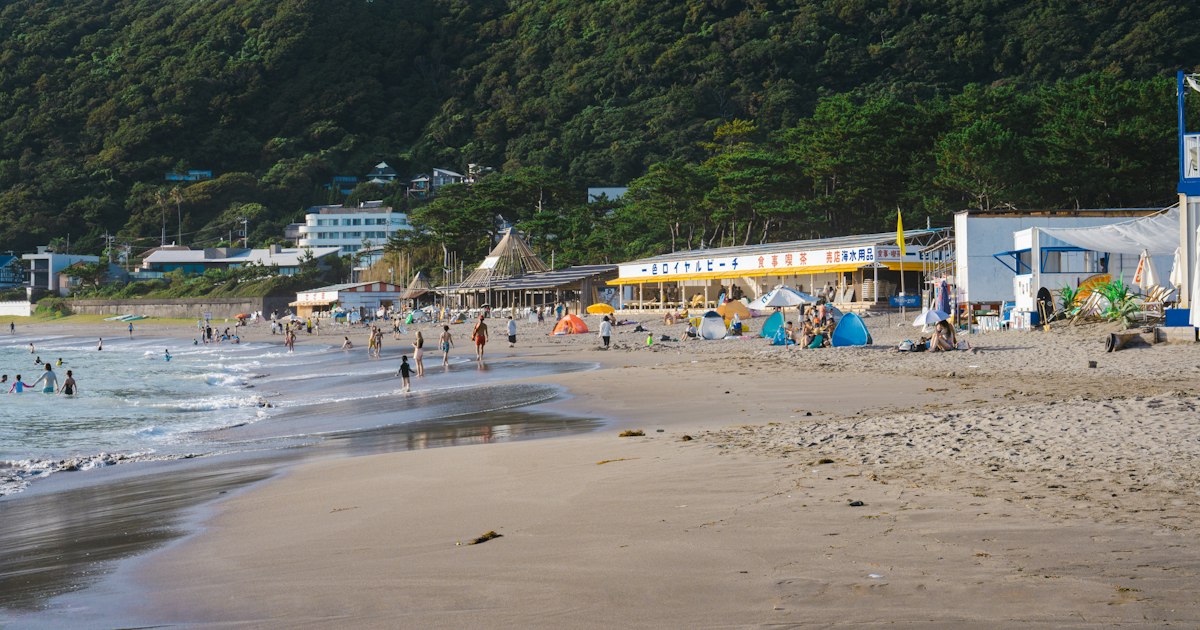
Photo by taro ohtani on Unsplash
There’s no law in Japan that says “metal detectors are illegal,” and you won’t find a permit office for the hobby the way you might for fishing or hunting. But that doesn’t mean you can walk onto any beach, dune, or riverbank and start digging. Japan’s coastline is more tightly managed than it looks, and the two things you’re most likely to actually find — spare change and historical artifacts — are both covered by specific laws with real reporting obligations. Here’s what beachcombers and would-be treasure hunters need to understand before switching on the coil.
The Short Answer: No License Needed, But Rules Still Apply
Owning and operating a metal detector in Japan is not regulated by national law the way, say, amateur radio equipment is (if you’re curious about that kind of hobby-specific licensing, Japan’s reciprocal ham radio rules are a good example of how strict it can get for other hobbies). For metal detecting, there’s no certification, no registration, and no detector-specific permit. What trips people up instead is land use: almost every patch of sand in Japan belongs to, or is managed by, someone — a municipality, a prefecture, a fishing cooperative, or a private landowner — and digging on it without permission can run afoul of local ordinances, park regulations, or coastal protection rules, even if the “no metal detecting” sign isn’t posted in English.
Whose Beach Is It, Anyway? Understanding Japan’s Coastal Land Rules
Japanese beaches fall under the Coast Act (海岸法), which puts tidal and foreshore land under prefectural or municipal management for erosion and disaster-prevention purposes. Many popular swimming beaches are additionally run by a local tourism association during the official beach season (roughly July–August, sometimes extending into September in warmer regions), with lifeguards and posted rules about digging large holes, driving stakes, or disturbing dune vegetation — mainly for safety and erosion control, but the effect is the same: no deep digging. Some stretches of coast are also leased to a local fishing cooperative (漁業協同組合) that controls harvesting rights for shellfish and seaweed just offshore; this doesn’t usually stop detecting above the waterline, but it’s part of why beaches here feel more “managed” than you might expect.
Practically, this means: stick to the wet sand and surface layer with a hand scoop rather than a full-size spade, avoid roped-off dune or nesting areas, and if you’re detecting outside swimming season on a quieter beach, ask at the nearest town hall (役場) or tourism information counter whether there’s any restriction. Quiet, lightly developed coastlines — somewhere like Okushiri Island off Hokkaido — tend to have far fewer rules (and far fewer other people) than a resort beach near Tokyo, but getting there takes planning; for working out ferry and bus connections to rural coastal spots, a transit app built for Japan’s full schedule complexity, as covered in this comparison of Yahoo! Norikae Annai and NAVITIME versus Google Maps, will save you from missed last buses.
What Happens If You Actually Find Something
This is where Japan’s rules get specific, and where most visiting hobbyists get caught out. There are two separate legal tracks depending on what you dig up:
- Modern lost property (lost phone, jewelry, modern coins, a dropped wallet): This falls under the Lost Property Act (遺失物法). You’re required to hand it in to the nearest police box (koban) or police station without unreasonable delay. If the owner is found and the item returned, Japanese Civil Code entitles the finder to a reward of 5–20% of the item’s value — but you have to ask for it, and the owner has to agree. If no owner claims it within three months, ownership can transfer to the finder. Quietly pocketing something you know is someone’s lost property, rather than reporting it, can technically constitute the criminal offense of embezzlement of lost property (遺失物等横領罪), punishable by a fine or up to a year in prison — in practice rarely enforced for small finds, but it’s the legal reality.
- Old coins, pottery shards, sword fittings, or anything that looks archaeologically significant: This falls under the Act on Protection of Cultural Properties (文化財保護法). Japan treats buried cultural property (埋蔵文化財) seriously — the country has tens of thousands of registered archaeological sites, and old coin hoards, Edo-period ceramics, and similar finds turn up more often than you’d expect near temples, former castle grounds, and old post towns. If you find something that looks historical, you’re legally obligated to report it to the police or the local Board of Education within about a week, rather than keep, sell, or export it. Finds judged nationally important become state or prefectural property, though finders and landowners typically receive a compensation payment. Selling an unreported archaeological find is a genuinely bad idea, both legally and because reputable dealers won’t touch undocumented material.
If turning up old coins and relics sounds appealing but you’d rather browse than dig, Japan’s antique markets scratch the same itch with none of the legal gray area — the vintage enamel signage hunt described in this guide to hunting horo kanban at flea markets is a close cousin of metal detecting, minus the paperwork.
The One Real Danger: Unexploded Ordnance in Okinawa
This deserves its own section because it’s a genuine safety issue, not just a legal technicality. Okinawa, site of one of the bloodiest battles of the Pacific War in 1945, still has unexploded shells and ordnance surfacing today — in farm fields, construction sites, and occasionally on beaches — more than eighty years later. Local news reports a small but steady stream of discoveries every year, and the prefecture has a dedicated disposal unit that handles them. If you’re detecting anywhere in Okinawa (or other former WWII battle sites) and your detector hits something large, metallic, and unidentifiable, do not dig it out yourself: back away, mark the spot if you can do so safely, and call 110 (police) or 119. This isn’t a reason to avoid detecting in Okinawa entirely, but it’s a real and specific risk that doesn’t apply on, say, the Shonan coast near Tokyo.
Best Times and Places to Try It
Winter through early spring (December–March) is the best window on mainland Japan: beaches are empty, off-season storms churn up sand and expose buried layers, and nobody will question why you’re sweeping a coil across the shoreline. Early morning, right after low tide, is prime time anywhere. Avoid the official swimming season (roughly July 20–August 31 on most mainland beaches) if you want to dig freely — not because detecting itself is banned, but because lifeguards and beach associations actively enforce no-digging rules for safety during that period. Budget option: any municipal beach outside peak season, free and unrestricted for surface sweeps. Mid-range: a quieter regional coastline reachable by local train or rental car. Splurge: a multi-day trip to a remote island beach that’s essentially never been detected, though you’ll spend more on transport than gear.
Gear: What to Bring
Dedicated metal detecting shops are rare in Japan — this is a niche hobby here compared to the UK or US. Entry-level detectors (Garrett, Minelab’s cheaper lines) are available via Amazon Japan and import resellers, typically ¥15,000–¥40,000 for a basic waterproof model suitable for beach use; serious multi-frequency machines run ¥80,000 and up and are usually imported directly. Bring your own sand scoop and finds pouch, since specialist accessories aren’t stocked locally the way they would be for, say, archery or ham radio gear. A cheap plastic trowel, a mesh sifter, and a dry bag for your phone cover you for most beach sessions.
Common Mistakes Beachcombers Make
The biggest one is assuming “no sign, no rule” — many beach-use restrictions in Japan are set by local ordinance or posted only in Japanese at the entrance, not in a detector-specific sign. The second is digging large holes above the tideline in dune grass, which is both an erosion-control violation in most areas and a quick way to get asked to leave by a beach patrol. The third is pocketing an old coin or pottery fragment without reporting it, assuming it’s “probably nothing” — when in doubt, a five-minute stop at the local Board of Education or police box to show what you found costs you nothing and keeps you on the right side of the law.