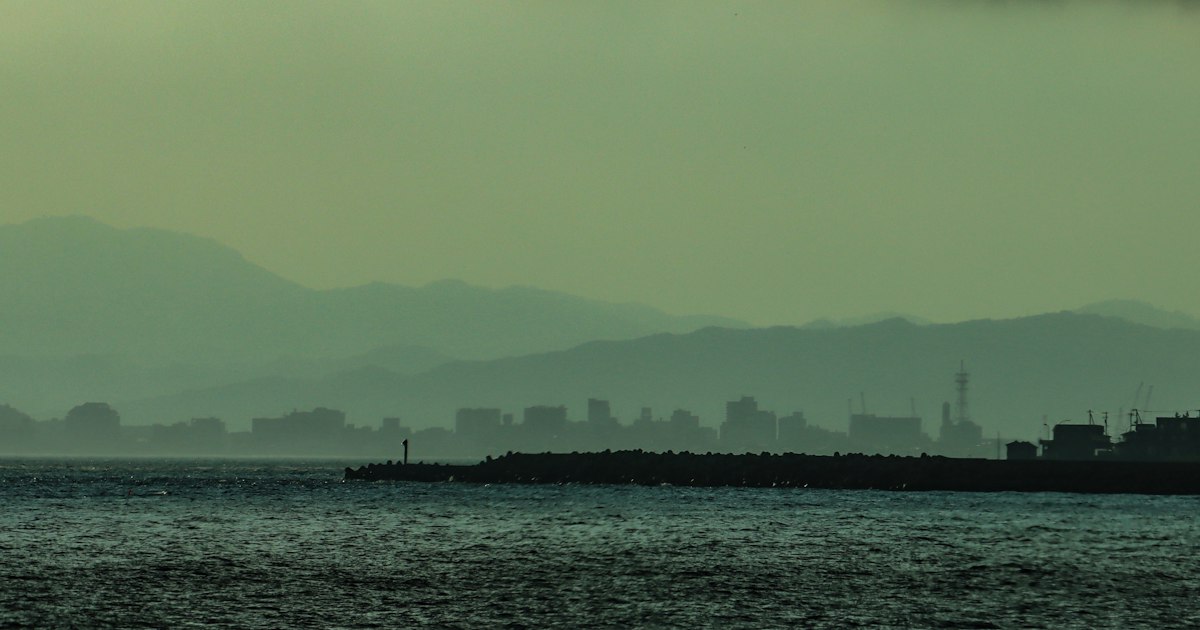
Off the southwest tip of Hokkaido, a two-hour ferry ride from the mainland town of Esashi, sits an island most Japan guidebooks skip entirely. Okushiri Island has no bullet train, no convenience store on every corner, and barely 2,500 year-round residents — but it has some of the clearest coastal water in Japan, a working squid and kelp fishing economy, and a sobering, well-told story of a village that rebuilt itself after one of Japan’s deadliest modern tsunamis. If you want a Hokkaido day (or overnight) trip that feels genuinely off the circuit, this is one of the realistic options.
Where Okushiri Is and Why Divers Know It
Okushiri-cho is a single town covering the whole island, roughly 30km off the coast near Esashi in southern Hokkaido. The appeal for most visitors who do make the trip is the water: locals and dive operators call it “Okushiri blue,” and in calm summer conditions visibility regularly reaches 20–30 meters, which is exceptional for Japan’s coastal waters. The underwater topography is volcanic — drop-offs, caves, and rock walls rather than coral — so it draws a different crowd than Okinawa diving does: cold-water-certified divers chasing visibility, kelp forests, and the chance to see Hokkaido-specific marine life like giant Pacific octopus and schools of rockfish.
Dive shops are small and based out of the Tsumaru and Aonae areas, usually run by the same families who operate minshuku guesthouses. There’s no large dive resort infrastructure here — you book through your accommodation or the Okushiri Town tourism association in advance, ideally a few weeks ahead in July and August. Expect a two-tank boat dive to run roughly ¥15,000–20,000 including gear rental, with discovery/beginner dives available for non-certified visitors at a lower price.
Getting There
There’s no bridge. Access is by ferry only, via Heartland Ferry running from Esashi on the Hokkaido mainland to Okushiri port. The crossing takes a little over two hours, with one-way fares in the ¥3,000–3,500 range for a standard seat (vehicles cost significantly more if you’re bringing a car). Esashi itself is about 1.5–2 hours by car or bus from Hakodate, so budget most of a day just for the journey from Hakodate to Okushiri.
Sailings are limited — typically one or two round trips a day depending on season — and services are genuinely weather-dependent. Winter and early spring crossings are regularly cancelled or delayed for high swells, so if you’re visiting outside summer, build a buffer day into your itinerary and check the sailing status the morning of, not just the night before. This is the single most common mistake visitors make: booking a same-day return ferry with no slack if the afternoon sailing is cancelled.
The 1993 Tsunami and How Aonae Rebuilt
On July 12, 1993, the Hokkaido Nansei-oki earthquake (magnitude 7.8) struck just offshore, and a tsunami reached parts of Okushiri’s coast within two to five minutes — faster than most residents could reach high ground. The Aonae district, a low-lying fishing settlement on the island’s southern tip, was almost entirely destroyed; the disaster killed close to 200 people across the region, a large share of them on this one small island.
Aonae was rebuilt on raised, reinforced ground with a seawall and an elevated memorial park, and the white monument known as Jikū Shō stands in Aonae as a quiet reminder of the event. There’s a local memorial hall with exhibits on the earthquake and the rebuilding effort — worth 20–30 minutes if you’re interested in disaster preparedness or recent Japanese history, and a useful counterpoint for anyone comparing how different remote Japanese communities have rebuilt or adapted after isolation and disaster, similar in spirit to the story of resilience on far-flung outposts like the Daito Islands in Okinawa.
Beyond Diving: Kelp, Sea Urchin, and Squid
Okushiri’s economy runs on the sea year-round, not just in dive season. The island produces high-quality kombu (kelp), dried and sold in shops near the port, and local uni (sea urchin) is harvested in summer and served at simple seafood restaurants around Okushiri and Aonae for noticeably less than you’d pay in Tokyo or Sapporo. Squid fishing is also part of the local catch, and if night jigging interests you more than scuba gear, it’s worth comparing notes with a mainland operator before you go — see our guide to booking a squid jigging charter off the Japanese coast for how these trips are typically arranged and priced, since Okushiri’s own charter scene is small and informal and best booked through your guesthouse rather than online.
Inland, the island has hiking trails around Mount Kamui and a handful of coastal lookout points, plus free or low-cost campsites near the beaches on the island’s east side. If you’re camping rather than staying in a guesthouse, bring your own cooking setup — there’s no gear shop on the island, so pack a compact cassette-fu portable gas burner and canisters from the mainland before you board the ferry.
Where to Stay and Budget
Lodging is almost entirely small, family-run minshuku and a few modest hotels, concentrated around Okushiri port and Aonae. On the budget end, a minshuku room with breakfast and dinner runs roughly ¥8,000–12,000 per person; most include seafood-heavy home cooking as standard rather than as an upgrade, so there’s little of the room-only vs. half-board decision you’d face at a mainland onsen ryokan — on Okushiri, meals included is simply the norm. Mid-range options top out around ¥15,000–20,000 per person for nicer rooms with ocean views; there’s no true luxury/splurge tier on the island itself, which is part of its appeal.
Best Time to Go and Practical Tips
- Best season: Late June through September for calm seas, warm enough water (around 20–24°C) for comfortable diving, and reliable ferry service.
- Avoid: Late autumn through winter unless you’re specifically after a quiet, moody off-season visit — expect ferry cancellations and closed dive operations.
- Cash matters: Card acceptance is patchy outside the main port area; bring enough yen for lodging, meals, and dive fees.
- Book ahead: Minshuku rooms and dive slots are limited and fill up on summer weekends, especially in August.
- Common mistake: Treating this as a quick day trip from Hakodate. Between the drive to Esashi, the ferry crossing, and the return, a round trip in a single day leaves almost no time on the island itself — an overnight stay is strongly recommended.
Okushiri isn’t a place you stumble onto by accident, and that’s largely the point. For travelers who’ve already covered Hakodate and Sapporo and want to see a working Hokkaido fishing community — rebuilt, resilient, and still genuinely quiet — it’s a worthwhile detour, as long as you respect the ferry schedule and give the island more than a few hours.