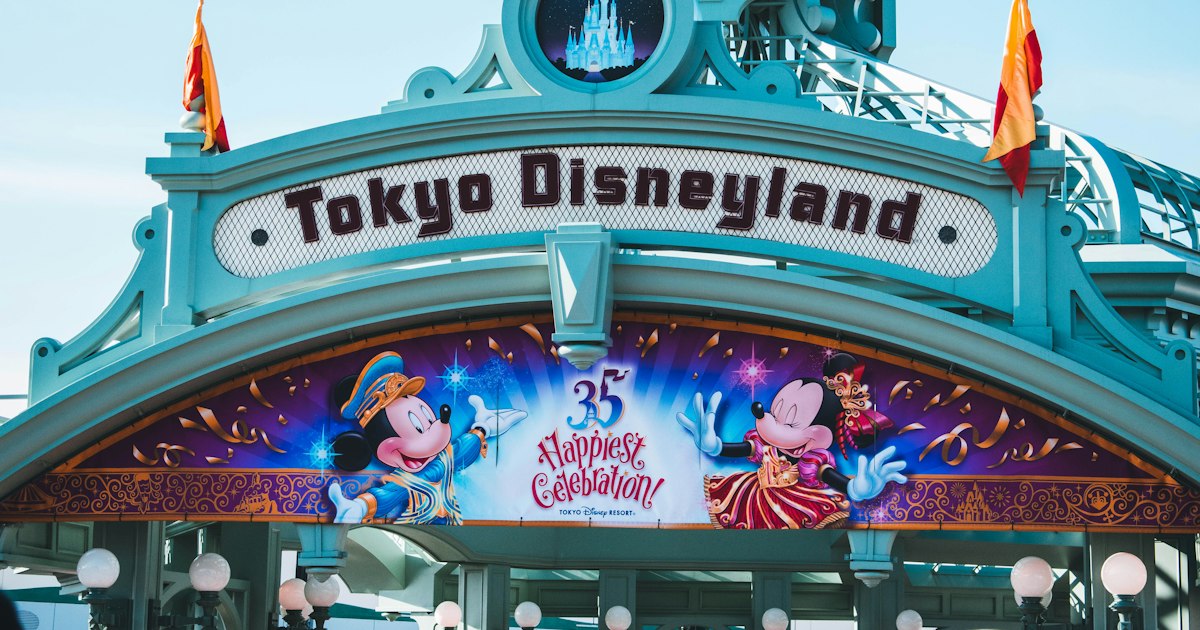
If you’ve collected pins at Disneyland in California or Walt Disney World in Florida, forget what you know about lanyard-wearing cast members swapping pins on the spot. Tokyo Disney Resort’s pin culture runs on a different engine — one built more around limited releases, retail hunting, and a thriving secondary market than face-to-face trading inside the park. For visitors who want a tangible, pack-it-in-your-suitcase souvenir with real collector depth, understanding how this system works before you go will save you money and disappointment.
Collecting, Not Trading: The Key Difference From US Parks
At Walt Disney World and Disneyland Resort in the US, cast members wear pins on lanyards specifically so guests can negotiate one-for-one trades. Tokyo Disneyland and Tokyo DisneySea don’t run an equivalent official guest-trading program. Instead, the culture here is closer to blind-box toy collecting: Disney Japan releases pins in themed sets tied to seasons, anniversaries, and attractions, guests buy them as merchandise, and the “trading” that does happen is mostly informal — fans swapping duplicates with each other outside the gates, at nearby hotels, or through resale apps after the fact. If you walk in expecting an open pin-swap economy with cast members, you’ll be disappointed; if you walk in treating it as retail collecting with an active aftermarket, you’ll have a much better time.
Where to Buy Official Pins Inside the Park
Pins are sold alongside other Disney merchandise in the big flagship shops rather than a single dedicated pin counter. In Tokyo Disneyland, the Grand Emporium on World Bazaar is the most reliable spot, and attraction-adjacent shops often carry pins tied to that specific ride or land. In Tokyo DisneySea, the Emporio similarly stocks seasonal pin sets. Expect to pay roughly:
- Standard single pins: ¥1,200–¥2,500
- Themed boxed sets (3–5 pins): ¥3,500–¥7,000
- Anniversary or special-event pins: ¥3,000–¥6,000, sometimes higher at launch
Prices are fixed and shown on the shelf tag — there’s no haggling inside the park, unlike the resale market you’ll encounter later.
Limited Releases and Why Some Pins Spike in Price
Disney Japan ties pin releases to the calendar: cherry blossom season (late March–early April), summer events, Halloween (September–October), Christmas (November–December), and park anniversaries. Anniversary-year pins — like the sets released for Tokyo Disney Resort’s 40th anniversary — are produced in limited runs and frequently sell out within days. Once a set sells out in-park, the only way to get it is secondhand, often at double or triple the original retail price within weeks. If a specific pin matters to you, buy it on release day rather than hoping to find it later; stock is not reliably restocked once a seasonal set is discontinued.
The Secondary Market: Where Real Trading Happens
Because Tokyo Disney Resort doesn’t run organized in-park trading, most of the “trading” culture happens afterward, through Japan’s resale ecosystem. Mercari and Yahoo Auctions are the two biggest platforms where collectors list duplicate pins, often in lots. Specialist secondhand shops that deal in toys, figures, and character goods — the kind of stores covered in our guide to Hard Off & Treasure Factory — occasionally carry Disney pins too, usually cheaper than app-based resale but with less selection and no guarantee a specific set will be in stock. If you’re serious about filling out a themed collection, budget for both: retail price in the park for what’s currently available, and a markup for anything discontinued.
Getting There and the Best Time to Shop
Tokyo Disney Resort sits in Urayasu, Chiba, just outside Tokyo proper. From Tokyo Station, take the JR Keiyo Line (or Musashino Line) to Maihama Station — about 15 minutes, no transfers. From Maihama, the Disney Resort Line monorail loops between the two parks and Ikspiari shopping area for a flat ¥300 per ride (or a one-day pass around ¥700). Park hours vary seasonally, typically opening between 8:00–9:00am and closing 9:00–10:00pm — always check the official calendar before you go, since hours shift daily around events and crowd forecasts. For pin shopping specifically, arrive at opening: shops get their freshest stock of the day’s limited items in the first hour, and newly released sets can sell out by early afternoon on weekends. Weekday mornings in late spring or early autumn tend to have the shortest merchandise lines.
Common Mistakes First-Time Pin Collectors Make
A few avoidable errors come up repeatedly:
- Assuming guest-to-guest trading is organized by Disney. It isn’t — any swapping with strangers at the park is informal and at your own risk.
- Buying from street resellers near the gates at inflated prices instead of checking Mercari or Yahoo Auctions first, where prices are usually more transparent and searchable by set name.
- Not budgeting cash for shop purchases. Most in-park shops take cards now, but if you plan to buy secondhand pins at a flea market or small shop, carrying yen helps — see our guide on currency exchange in Japan for where to get a better rate than the airport counter.
- Struggling to negotiate or ask questions with secondhand sellers who don’t speak English. A translation app or device — see our rundown of Pocketalk and other translation gadgets — makes it much easier to confirm a pin’s authenticity or ask a shop to hold an item.
- Not checking for fakes. Official pins have a Disney copyright stamp and consistent backing hardware; off-market “Disney-style” pins sold outside official channels are common in flea markets and are not the real collectible.
Budget, Mid-Range, and Splurge Collecting
If you just want a souvenir, one or two standard single pins (¥1,200–¥2,500 each) from the Grand Emporium will do. Mid-range collectors usually go for a themed boxed set (¥3,500–¥7,000), which gives a cohesive display without chasing rare individual pieces. For splurge-level collecting, anniversary or first-release event pins bought at launch — or secondhand sets that have already sold out in-park — can run ¥10,000 or more once resale markups kick in. Whichever tier you’re in, buy what you actually like rather than purely for resale value; Tokyo Disney Resort’s pin market is driven by nostalgia and seasonal design more than guaranteed appreciation.