Photo by Franck V. on Unsplash
Japan is more cashless than it used to be, but it’s still not a country where you can leave your wallet at home and tap your way through a trip. Between airport exchange counters with mediocre rates, city pawnshop-turned-currency-chains like Daikokuya, and convenience store ATMs that quietly charge you less than you’d expect, there’s a real difference between showing up prepared and losing 5,000 yen to bad timing. Here’s how the actual math works.
Airport Counters: Convenient, But You Pay For It
Every major Japanese airport — Narita, Haneda, Kansai, Chubu — has currency exchange counters run by operators like Travelex, GPA, or SMBC Trust Bank, usually clustered right after you clear customs and again before security on departure. They’re open to match flight schedules, typically from around 6:00 or 7:00 am until the last international arrival, sometimes as late as 10:00 or 11:00 pm at the busiest terminals.
The convenience is real: no appointment, no hunting around a neighborhood, and you can do it the moment you land. The cost is also real. Airport counters generally run 3-5% off the mid-market rate once you factor in their buy/sell spread and any flat commission. On a ¥100,000 exchange, that’s ¥3,000-5,000 you didn’t need to give up. A reasonable strategy is to exchange a small amount at the airport — enough for a train ticket, a konbini meal, and a taxi if needed, maybe ¥10,000-15,000 — and do the rest in the city where rates are better.
Daikokuya and the City Exchange Chains
Daikokuya (大黒屋) started as a used-luxury-goods and pawn chain, but many of its central Tokyo and Osaka branches also run currency exchange counters, and they’re popular with travelers precisely because their rates tend to beat both airport counters and ordinary banks — often by 1-2 percentage points. You’ll find exchange-capable branches in high-traffic areas like Shinjuku, Shibuya, Ikebukuro, and Akihabara in Tokyo, and around Dotonbori and Namba in Osaka. Hours are generally shop-standard, roughly 10:00 am to 8:00 pm, seven days a week.
Other dedicated city-center exchangers worth knowing about include World Currency Shop and Daiko, which operate similarly — small storefronts near major stations, no appointment needed, rates posted on an electronic board out front that update through the day. Because these shops compete directly with each other in dense shopping districts, it’s worth glancing at the posted rate at two or three storefronts before committing if you’re changing a large amount; a five-minute walk can be worth more than the time it costs.
One practical note: bring a clean, newer bill if you’re exchanging foreign cash into yen — Japanese exchange counters are notably picky about creased, old, or marked banknotes, and some will refuse worn bills outright or offer a worse rate for them.
ATMs: Often the Best Deal Hiding in Plain Sight
If your bank card doesn’t charge a foreign transaction fee, withdrawing cash directly from a Seven Bank ATM (inside any 7-Eleven) or a Japan Post Bank ATM is frequently the cheapest way to get yen, since you’re getting your card network’s exchange rate rather than a storefront’s marked-up spread. Seven Bank charges international cards a flat ¥220 fee per withdrawal regardless of amount, which on a ¥50,000 withdrawal is a far smaller percentage hit than most exchange counters. Japan Post Bank ATMs, found in post offices nationwide, work similarly and are useful in smaller towns where Seven Bank machines are scarcer.
The catch is your home bank may still charge its own foreign ATM fee on top, so check that before relying on this method entirely. It’s also worth carrying a Suica or similar IC card for day-to-day transit and konbini purchases — topping one up with cash at a station machine is simple, and if you want the card itself as a souvenir rather than just a transit tool, the Suica Penguin mascot merch is worth a detour for collectors.
When Cash Still Beats Cards
Tokyo, Osaka, and Kyoto’s major shopping streets are genuinely card-friendly now, but Japan’s cashless shift is uneven. You’ll still hit cash-only situations at: small family-run restaurants and izakaya, shrine and temple fee boxes, local buses in many regions (exact change is often required, or you tap an IC card instead), countryside vending machines, festival food stalls, and rural ryokan. The farther you get from major stations, the more this matters — if you’re island-hopping on local ferries like those covered in our Inland Sea ferry guide, or visiting remote natural sites, don’t count on a card reader being nearby at all.
Car rentals and car-sharing are a mixed bag too — most major rental counters take credit cards fine, but if you’re using an app-based service like Times Car or Careco for a short hop, as outlined in our guide to car-sharing apps in Japan, registration is card-based but you’ll still want cash on hand for parking machines and tolls in areas without ETC. And if you’re driving at all, sort out your International Driving Permit before you land — that’s a paperwork problem cash can’t solve.
Common Mistakes to Avoid
- Exchanging all your cash at the airport out of habit. Change a small buffer there, do the bulk in the city.
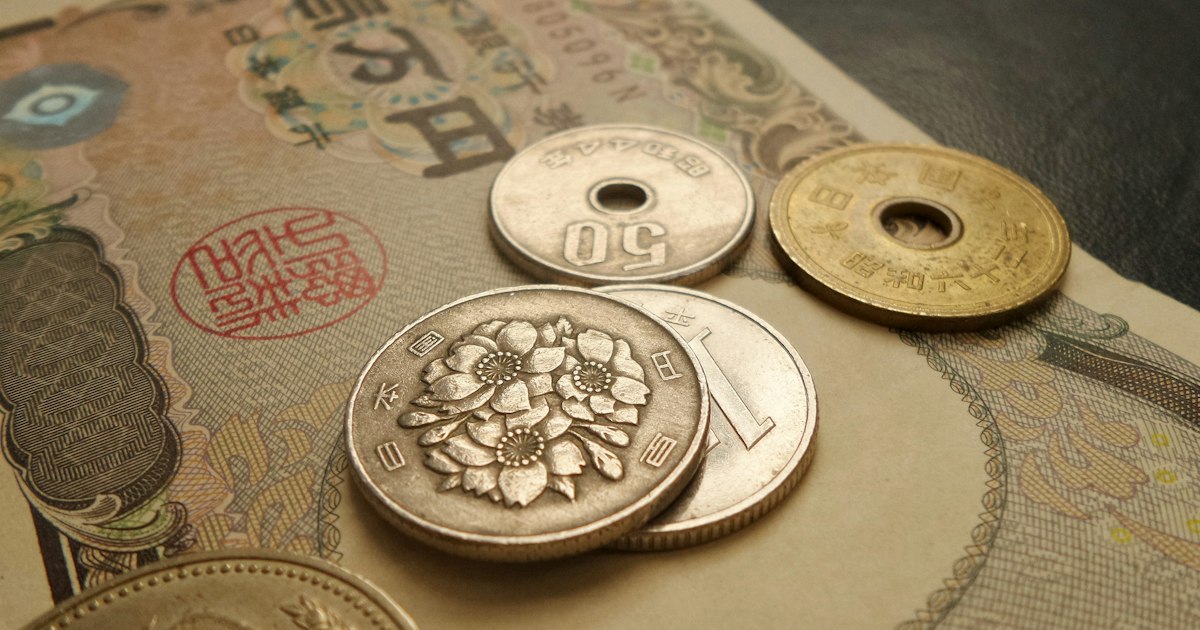
- Forgetting Japan is still partly a coin economy. ¥1, ¥5, ¥10, ¥50, ¥100, and ¥500 coins add up fast in a wallet; many travelers end up with ¥3,000+ in unspent coins by trip’s end. Use them at vending machines and konbini registers rather than hoarding them.
- Assuming your home bank’s “no foreign fee” card works everywhere. Some older Japanese ATMs reject foreign-issued cards outright; Seven Bank and Japan Post Bank machines are the most reliable bets.
- Not checking posted rates before exchanging a large sum. A one percentage point difference on ¥200,000 is ¥2,000 — worth the extra few minutes of comparison shopping between storefronts.
A Simple Rule of Thumb
Land with a little cash from home or your airport ATM, change a small amount at the airport counter for immediate needs, then do any larger exchange at a city chain like Daikokuya once you’ve settled in. Lean on cards and IC cards for everyday spending in cities, but keep ¥5,000-10,000 in cash as a floor at all times once you leave major urban centers — it’s the difference between a minor inconvenience and a stranded afternoon.