Photo by Dohyuk You on Unsplash
Walk past any elementary school gate in Tokyo around 3pm and you’ll see it: rows of randoseru, the boxy leather-look backpacks every Japanese grade-schooler carries, dangling with five, ten, sometimes twenty tiny charms clipped to the side loop. What started as a few Sanrio keychains has exploded into a full-blown mini-collectible subculture — kids trade them, save allowance for new releases, and parents quietly admit to spending more on charms than on the backpack itself. For visitors, it’s also an easy, cheap, genuinely fun rabbit hole to fall into, whether you’re after a quirky souvenir or just want to understand why capsule-toy corners are packed with grown adults shaking machines.
What Exactly Is a Randoseru Charm?
A randoseru charm (ランドセルチャーム) is a small keychain-style trinket — a figure, a plush ball, a plastic plate — clipped to the D-ring loop on the side of a school backpack. The trend took off around 2023-2024 and shows no sign of slowing: Sanrio characters (Cinnamoroll and Pompompurin especially), Pokémon, Kirby, Chiikawa, and Capybara-san are the reigning favorites. Some kids now cluster so many charms together that schools in a few cities have started asking families to limit the number, since a backpack jingling with twenty charms is both noisy and heavy. You don’t need a randoseru to enjoy the hobby — the same charms clip onto any tote, daypack, or even a phone case, which is exactly how most adult collectors and tourists wear them.
Where to Actually Buy Them
There’s no single “randoseru charm store” — the hunt is part of the appeal, and it spans four main venues:
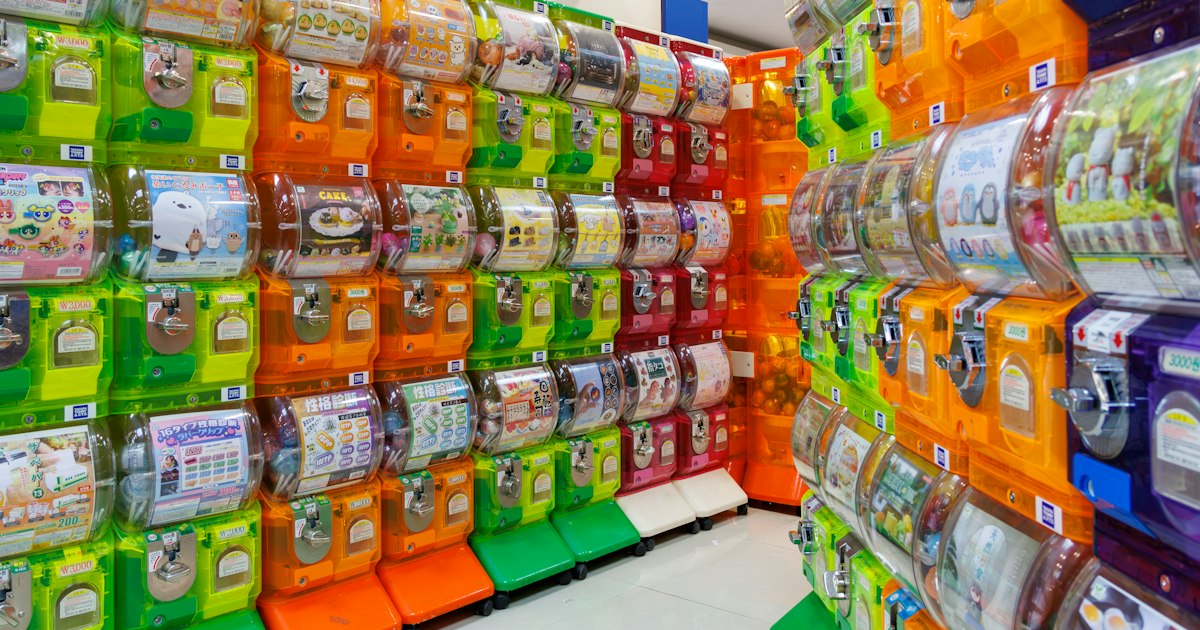
- Gashapon (capsule toy) machines — found in every train station, Don Quijote, and arcade. Most charm capsules run ¥300-¥500. Look for rows labeled with the character name and “ランドセルチャーム” on the machine header card.
- UFO catcher / claw machines at arcades like Taito Station or GiGO — ¥200-¥400 per play, and the charm itself is usually the plush or figure prize. Budget for several tries; staff will sometimes nudge a stuck prize closer after a few attempts (“yobi” service), though it’s never guaranteed.
- Character flagship stores — the Pokémon Center chain, Sanrio’s Gift Gate shops, and Kiddy Land in Harajuku sell officially licensed charms for ¥800-¥2,500, no gacha gamble involved.
- 100-yen shops like Daiso and Seria carry generic character-adjacent charms for ¥110-¥330 — not official merch, but fine for budget gifting.
If you’ve already read our guide to hunting Ultraman, Kamen Rider and Godzilla merch, the hunting logic here is nearly identical: secondhand shops, gashapon corners, and flagship stores form the same three-tier ecosystem, just with cuter mascots.
Budget, Mid-Range, and Splurge
Budget (¥110-¥500): Daiso/Seria generic charms or a single gashapon pull. Good for a quick souvenir or stocking-stuffer.
Mid-range (¥800-¥2,500): Licensed Sanrio or Pokémon Center charms, sold individually or in blind-box sets of 6-8 designs. This is where most serious collectors live — you know the brand is real, but not which design you’ll get if it’s a blind box.
Splurge (¥3,000-¥6,000+): Limited-run or anniversary charms sold only at specific flagship stores (Pokémon Center’s seasonal drops are notorious for this), or a full matching set bought secondhand as a complete collection on a resale app. Secondhand complete sets of discontinued designs can run well past retail because completists pay a premium.
Best Neighborhoods to Hunt
In Tokyo, Harajuku’s Takeshita Street and the Kiddy Land flagship are the most tourist-friendly starting point — dense, walkable, and open 11:00-20:00 (Kiddy Land) most days. Akihabara and Ikebukuro’s Sunshine City are better for gashapon density, with entire walls of machines. In Osaka, Amerikamura mixes vintage clothing racks with capsule-toy corners and small resale shops, making it an easy add-on if you’re already browsing the district for clothes. Don Quijote branches nationwide are the reliable fallback if you’re short on time — nearly every location has a gashapon wall near the entrance.
Timing It Right
New character collaborations and seasonal charm lines tend to drop around three windows: early April (new school year, the biggest randoseru-accessory shopping season), early July (summer festival tie-ins), and November-December (holiday and New Year character variants). If you want the widest selection, late March through mid-April is prime time, but it also means the most crowded gashapon corners near stations. Weekday mornings, well before school lets out, are noticeably quieter than weekend afternoons when local kids descend on the same machines.
Common Mistakes to Avoid
- Assuming gashapon prizes are guaranteed. Capsules are random within a set — you may get three duplicates before the one you want. Budget for this mentally and financially before you start.
- Paying in cash only. Most modern gashapon machines and claw machines take IC cards (Suica/Pasmo) or coins, but not bills larger than ¥1,000 and rarely digital wallets. Keep ¥100 coins on hand.
- Overloading a real randoseru as a gift. If you’re buying charms for a Japanese child, note that several schools cap the number allowed per bag — check with the family first rather than showing up with a dozen.
- Skipping secondhand shops. Recycle shops and resale apps often have complete sets cheaper than chasing individual gashapon pulls, especially for discontinued lines.
Packing Them Home
Charms are small, light, and TSA/customs-friendly — the easiest “only in Japan” souvenir you’ll find. Keep blind-box packaging if you bought one, since unopened boxes hold resale value if you change your mind. If you’re already carrying fragile electronics or gear in your luggage (say, a rented projector from your short-stay apartment setup), charms are a safe item to tuck into the gaps — they weigh almost nothing and the plastic clips are sturdy enough to survive a packed suitcase.
The randoseru charm craze is a good reminder of something that runs through a lot of Japanese retail culture, from capsule toys to the surprise-extra omake sample culture: the fun is as much in the small, repeatable ritual of the hunt as in the object itself. You don’t need a backpack, a kid, or even much of a budget to join in — just a pocket full of ¥100 coins and a free afternoon near any train station gashapon wall.