Photo by Svetlana Gumerova on Unsplash
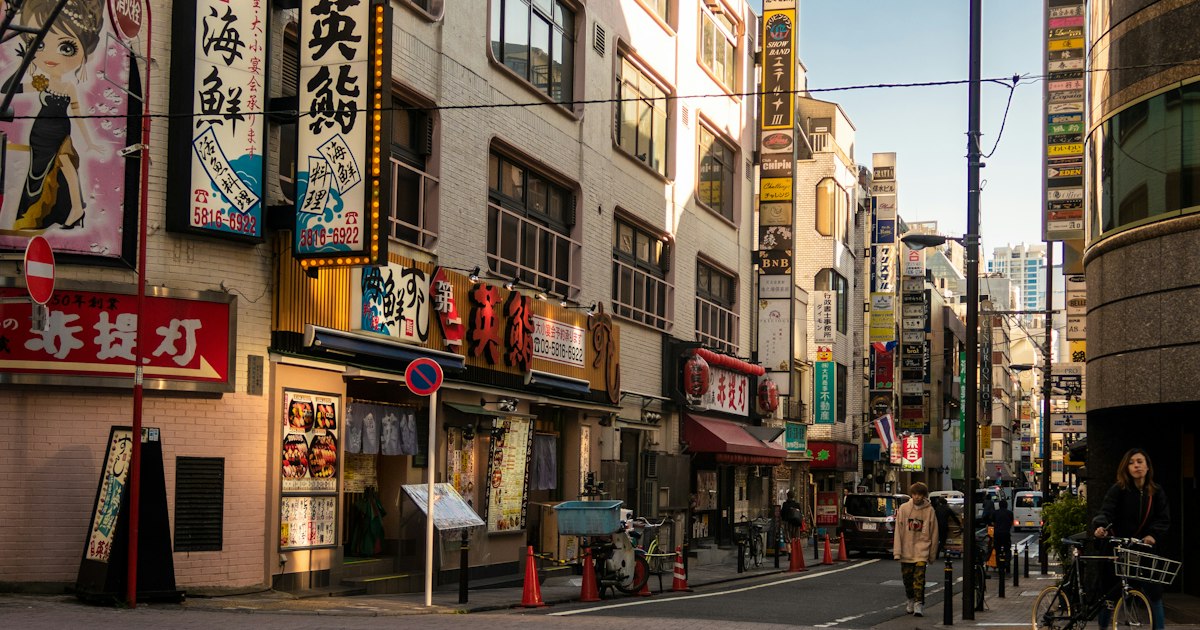
Tucked a few blocks west of the Shinsaibashi arcade and Dotonbori’s neon canals, Amerikamura (“American Village,” often shortened to Amemura) is where Osaka’s street fashion actually lives. It’s a dense grid of narrow lanes packed with secondhand clothing warehouses, sneaker shops, skate brands, and tiny boutiques run by designers who sell nowhere else. If you care about vintage denim, Americana, or just want to see how Osaka teenagers actually dress — as opposed to what’s marketed to tourists — this is the neighborhood to spend an afternoon in.
Where It Is and How to Get There
Amerikamura sits in Nishi-Shinsaibashi, Chuo-ku, roughly bounded by Midosuji Avenue to the east and Yotsubashi-suji to the west. The closest station is Yotsubashi Station (Yotsubashi Line), exit 5, about a 5-minute walk into the heart of the district. Shinsaibashi Station (Midosuji Line) works too, but it’s a 7–8 minute walk and dumps you into the busier shopping arcade first, so you have to cut through to reach Amerikamura proper. Either way, it’s an easy add-on to a day that already includes Dotonbori or Shinsaibashi — the three areas form a walkable triangle.
If you’re driving in, note that street parking doesn’t really exist in this part of Osaka; you’ll need a coin-operated lot, and rates in central Osaka can run ¥300–¥500 per 30 minutes. Our guide to coin parking lots and parking apps in Japan explains how to find and pay for one without guesswork — though honestly, the subway is simpler for this trip.
Triangle Park: The Unofficial Town Square
Sankaku Koen, universally known as Triangle Park, is a small paved plaza at the center of Amerikamura and the easiest landmark to navigate from. It’s not a park in any green sense — just a concrete gathering spot — but on weekend afternoons it fills with street dancers, local musicians, and teenagers in full fashion-forward outfits, making it as much a people-watching destination as a shopping one. Use it as your mental zero-point: shop names and addresses in this area are notoriously inconsistent on maps, so most locals give directions relative to the park (“two streets north of Sankaku Koen”) rather than by address.
Vintage Shopping: What to Expect
Amerikamura’s reputation rests on its secondhand and vintage shops, many of which have operated here since the 1980s. Kinji is the best-known name — a multi-floor, warehouse-style store (with a couple of branches in the area) where racks are loosely sorted by era and type rather than size, so budget real browsing time. Big Step, the area’s landmark multi-story complex, houses dozens of smaller boutiques, streetwear brands, and sneaker resellers under one roof, which is a good first stop if you want to survey the range quickly before committing to the smaller shops.
A few things that trip up first-time visitors:
- Hours are later than you’d expect. Most boutiques open between 11:00 and 12:00, not in the morning, and close around 20:00–21:00. Showing up at 10am means half the street is still shuttered.
- Many smaller shops take an irregular weekday off (often Tuesday or Wednesday) — if you have one specific shop on your list, it’s worth a quick search for its current hours before you go, since Google Maps listings for small vintage stores here are often out of date.
- Cash still matters. Larger shops and chains take cards, but plenty of one-room vintage dealers are cash-only or have a card minimum. Carry some yen.
- Sizing runs larger than typical Japanese retail, since most of the stock is genuine American-imported clothing from past decades — good news if you’ve struggled to find your size elsewhere in Japan.
- Fitting rooms exist but are often just a curtained corner. Layer accordingly, and don’t expect mirrors everywhere.
Budget, Mid-Range, and Splurge Picks
At the budget end, plain vintage T-shirts and basic secondhand items run roughly ¥1,000–¥3,000, and you can walk out of a bargain bin shop with a full outfit for under ¥5,000. Mid-range buys — band tees in good condition, vintage Levi’s, letterman jackets, or branded streetwear — tend to land between ¥5,000 and ¥15,000. For splurges, rare vintage denim, military surplus in exceptional condition, or limited-run sneakers from the resale shops can climb well past ¥30,000; serious collectors come to Amerikamura specifically for these finds, and prices are generally lower than equivalent pieces in Tokyo’s Harajuku or Shimokitazawa, simply because there’s less tourist traffic driving up prices.
Best Time to Visit
Weekday mornings and early afternoons are noticeably calmer — you’ll get shop staff’s full attention and first pick of new stock. Weekends, especially Saturday afternoon into evening, are when Triangle Park comes alive with performers and the street fashion scene is at its most visible, but the narrow lanes get crowded fast. If you want photos of the scene without the crush, aim for a weekday around 2–4pm, after shops have opened but before the after-school and evening crowds arrive.
Seasonally, Amerikamura works year-round since almost everything is indoors, but Osaka’s rainy season (tsuyu, mid-June to mid-July) and the muggy height of summer make the covered arcades of nearby Shinsaibashi a more comfortable retreat between shop visits. If you’re planning to explore wider Osaka by rental bicycle on the same trip, it’s worth knowing about Japan’s clip-on kappa rain poncho, a cheap and genuinely useful buy for sudden downpours.
Beyond Clothes: Sneakers, Records, and Toys
Fashion is the headline, but Amerikamura’s side streets also hold a solid cluster of sneaker consignment shops, record stores specializing in hip-hop and soul imports, and shops selling American toys, pins, and ephemera. It’s worth a slow wander off the main strip — some of the best finds are in shops with no English signage at all, just a handwritten price tag in the window.
Practical Tips Before You Go
Amerikamura has fewer large public facilities than Dotonbori, so plan ahead for basics. Public restrooms are limited to konbini, the Big Step building, and the subway stations; our guide to finding a public restroom in Japan covers the apps and etiquette for using konbini facilities politely. Bring a tote bag for purchases — not every small shop supplies one — and set aside at least two to three hours if you actually want to dig through the racks rather than just window-shop. Pair the visit with lunch or dinner in Dotonbori afterward; it’s a five-minute walk and the contrast between the two neighborhoods’ energy is part of the fun.