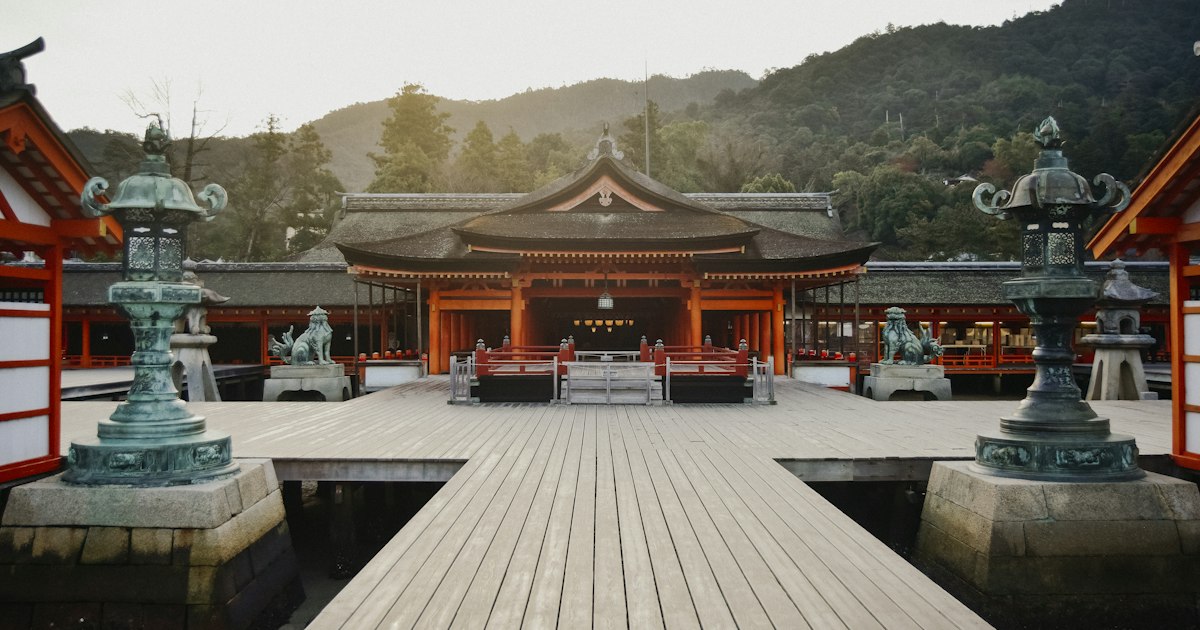
Photo by Juliana Barquero on Unsplash
Walk under the eaves of an old pilgrimage shrine in Japan and you may notice the wood is covered, almost wallpapered, in small rectangular paper slips printed with names, crests, and stylized calligraphy. These are senjafuda (千社札), literally “thousand shrine slips,” and they’re one of the more overlooked collectible crafts in the country — part votive offering, part Edo-period business card, part centuries-old graffiti. A small number of print shops still make them, and a handful of shrines still let visitors leave one. Here’s what they are, where to find the old ones, and how to get your own name turned into a traditional woodblock print.
What Exactly Is a Senjafuda?
A senjafuda is a small printed paper slip, usually just a few centimeters wide, bearing a person’s name or chosen pen-name (gō) rendered in a highly decorative, almost illegible lettering style descended from kabuki signboard calligraphy. Pilgrims pasted them on shrine and temple buildings as proof they’d visited and prayed — the name on the wood stood in for the person, even after they’d gone home. The practice took off in the mid-to-late Edo period among firefighting brigades, kabuki fan clubs, merchant guilds, and well-off townspeople who competed to commission the most elaborate designs. Unlike a goshuin (the temple stamp collected in a dedicated book, which is still very much an active practice today), a senjafuda was meant to stay behind at the site, not travel home with you.
Why Pilgrims Pasted Their Names on Temples and Shrines
The custom was tied to pilgrimage culture generally — the same impulse behind multi-stop circuits like the Shichifukujin Meguri, where visiting several sacred sites in sequence was considered more auspicious than visiting one. Leaving a senjafuda at each stop on a long pilgrimage route was a way of logging the journey in a physical, semi-permanent way, and it doubled as advertising: a well-designed slip spread a merchant’s or performer’s name across dozens of shrines nationwide. Collectors today still prize pre-Meiji and Meiji-era examples for the quality of their woodblock carving and the social history behind who commissioned them.
Where You Can Still See Senjafuda-Covered Shrines Today
Most major temples and shrines in central Tokyo and Kyoto no longer allow fresh senjafuda on their structures — the adhesive and sheer accumulated weight of paper damages old wood and lacquer, so you’ll often see small signs reading “千社札禁止” (senjafuda prohibited) near entrances. The best places to see historic examples surviving in large numbers tend to be mountain pilgrimage shrines that were harder to reach and so accumulated layers of slips from dedicated worshippers over generations. Mitsumine Shrine, deep in the mountains above Chichibu in Saitama Prefecture, is one of the most-cited examples — its halls and gates carry decades of pasted slips from Edo-period wolf-worship pilgrims onward. It’s a long trip (Seibu Ikebusen limited express to Seibu-Chichibu Station, then a winding mountain bus), so many visitors pair it with a day around Nagatoro’s river gorge, which sits in the same general area and makes the detour worthwhile beyond the shrine itself.
The Modern Hobby: Collecting, Trading, and Commissioning Your Own
Pasting your own slip onto a historic building is now rare and usually off-limits, but the hobby itself is alive — just relocated from temple walls to collectors’ albums. Enthusiasts commission personal senjafuda with their own name or a chosen nickname, then trade them at exchange meetups (koukankai) the way other hobbyists trade postcards or stamps, swapping designs rather than pasting them anywhere. Vintage and antique senjafuda also circulate through Japan’s secondhand marketplaces; if you’re building a collection rather than commissioning new prints, checking resale apps like the ones compared in our Rakuma vs Mercari guide is worth the time, since small paper ephemera like this often turns up there before it reaches a specialist dealer.
Shops That Still Print and Carve Senjafuda
Genuine woodblock senjafuda printing is a shrinking craft, kept alive by a small number of specialist shops and individual carvers, historically concentrated in Tokyo’s old Shitamachi districts like Asakusa and Kanda. Pricing runs in rough tiers:
- Budget (¥300–1,000): Novelty senjafuda-style stickers sold as souvenirs at shrine gift shops and Asakusa tourist stores — decorative and fun, but not the traditional hand-set calligraphy a collector would want.
- Mid-range (¥3,000–8,000): A custom slip using an existing stock typeface design, with your name (including katakana renderings of foreign names) set into the traditional layout and printed in a small run. Shops typically need the order placed well ahead of your trip, since many work by mail.
- Splurge (¥20,000 and up): A fully custom hand-carved woodblock with original artwork around your name — the closest thing to what an Edo-era patron would have commissioned. Expect several weeks of lead time, and you generally keep the block afterward, so you can have more printed later.
If you don’t have a specific shop lined up, Asakusa’s tourist information center near Sensoji is a good starting point for current recommendations, since the specialist printers that still take custom orders tend to be small family operations without much of an online footprint. Searching “senjafuda insatsu” (千社札印刷) in Japanese turns up active mail-order printers if you’d rather arrange everything before you land.
Common Mistakes First-Timers Make
The most common misstep is assuming you can paste a slip wherever you like — at almost every major shrine this is now prohibited, and doing it anyway risks real damage to protected wood and a scolding from shrine staff. A few sites get around this by providing a dedicated board or pillar specifically for modern visitors to stick a slip, keeping the historic halls untouched; always look for signage or ask before assuming. Another frequent confusion is mixing up senjafuda with goshuin — the former is a printed name slip left behind, the latter a hand-stamped and hand-written page collected in your own book, and the two serve opposite purposes. Finally, timing catches people out: shops that print senjafuda get a rush of orders heading into New Year, when hatsumode shrine visits peak (see our guide on how Japan shuts down for New Year for the wider closure picture), so ordering in November for a January pickup is far safer than hoping a shop can turn one around in a few days during the holiday crush.