Photo by Turquo Cabbit on Unsplash
Pokémon gets all the headlines, but Japan’s trading card game scene runs much deeper. One Piece Card Game, Yu-Gi-Oh!’s original Japanese OCG, and Dragon Ball Super Card Game (now rebranded as Fusion World) each have thriving domestic markets with cheaper singles, exclusive art, and shops that simply don’t exist outside Japan. If you play any of these games — or just want souvenirs with real collector value — here’s how to shop for them without wasting a day or overpaying.
Why Buy These Games in Japan Instead of at Home
All three games are printed in Japan first, months before (or in some cases instead of) international releases, so the card pool is deeper and prices are lower at the source. A One Piece Card Game booster pack retails for about ¥180 (tax included), with a 24-pack box running roughly ¥4,300–4,500 — noticeably cheaper than the equivalent English-language box abroad. Yu-Gi-Oh! OCG packs are similarly priced around ¥165–180 for five cards, and Dragon Ball Super Fusion World boosters run about ¥180 for twelve cards. Japan also gets alternate-art “parallel” and secret rares that sometimes never appear in the English versions at all, which is a big part of why collectors specifically hunt for Japanese print runs.
One Piece Card Game: Bandai’s Breakout Hit
Launched by Bandai in 2022, the One Piece Card Game has become the most-played non-Pokémon TCG in Japanese card shops, and store shelf space reflects it. New booster sets and structure decks (starter decks built around a specific character, about ¥1,000 each) release roughly every two to three months, and single-card prices for chase cards like Leader alternate arts can spike into the tens of thousands of yen right after a set drops, then settle within a few weeks. If you’re after a specific card, checking prices a month after release rather than on launch day saves real money.
Yu-Gi-Oh! OCG vs the English TCG: What Actually Differs
Japan’s Yu-Gi-Oh! is the “OCG” (Official Card Game), and it’s a genuinely different product from the English TCG sold in North America and Europe — not just a translation. Card text, errata, and even some rulings differ, and Japan often gets cards or reprints years before Western release. Artwork can differ too, especially on older cards and “20th/25th Secret Rare” reprints exclusive to Japan. The catch for competitive players: official tournament rules require every card in a deck to be the same language edition, so you can’t mix Japanese and English cards in a legal deck — buy OCG cards for collecting, display, or playing casually with OCG-only decks, not to slot into an English tournament deck.
Dragon Ball Super Card Game (Fusion World)
Bandai relaunched the Dragon Ball card game in 2023 as Fusion World, with a new rulebook and card frame that replaced the original 2020 series. This means older “Series 1-14” Dragon Ball Super cards and new Fusion World cards are separate ecosystems — double-check which one a shop’s binder or box actually is before buying, since both are still sold and displayed side by side in most stores. Structure/starter decks are around ¥1,500–2,000 and are the easiest entry point if you’ve never played.
Where to Shop: Akihabara, Nakano Broadway & Osaka’s Den Den Town
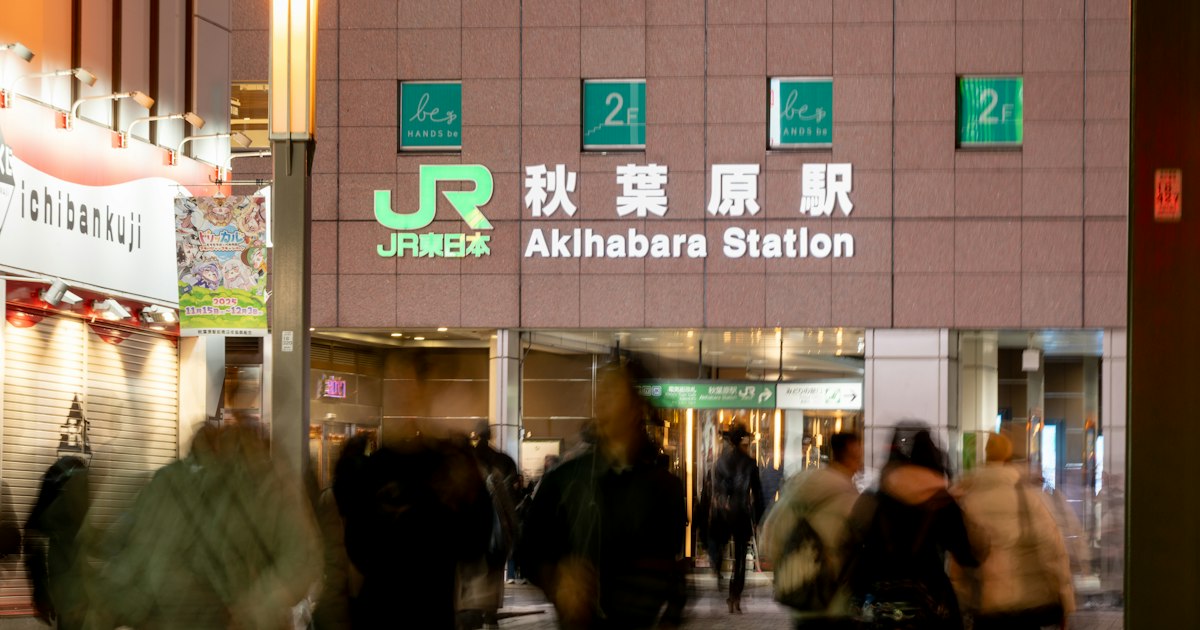
Tokyo’s best hunting ground is Akihabara, where chains like Yellow Submarine (multiple branches, most open roughly 11:00–20:00) and Toranoana stock new product and organized singles binders by rarity, and Mandarake’s Akihabara Complex mixes secondhand cards with everything else otaku-related. For deeper secondhand and vintage searching, Mandarake’s flagship at Nakano Broadway (a short ride from Shinjuku) has multiple dedicated card-specialist stalls under one roof — it’s slower-paced and less crowded than Akihabara, worth combining with a stop at Kichijoji on the same rail line if you want a calmer neighborhood to decompress in afterward. In Osaka, Den Den Town (Nipponbashi) is the Kansai equivalent of Akihabara, packed with card shops like Media World and Trading Card Camp that often have better prices than Tokyo simply because of lower foot traffic. Hareruya, a specialist chain with Osaka and Tokyo locations, focuses on higher-end singles and is a good stop if you’re chasing a specific rare card rather than browsing.
Most of these shops are cash-friendly but increasingly take IC cards (Suica/Pasmo) and credit cards for larger purchases; smaller specialist stalls inside places like Nakano Broadway may still be cash-only, so carry ¥10,000–20,000 in bills if you’re planning to buy singles.
Budget, Mid-Range, and Splurge Approaches
- Budget: Buy structure/starter decks (¥1,000–2,000) rather than random boosters if you just want a playable deck to bring home — no gacha risk, and they include exclusive cards not sold as singles.
- Mid-range: A booster box (24 packs, ¥4,300–5,500 depending on game) gives you a real shot at chase cards and enough commons/uncommons to build multiple decks; splitting a box with a friend is common practice among Japanese players too.
- Splurge: Graded or near-mint alternate-art Leader/Secret Rares can run from ¥10,000 to well over ¥100,000 at specialist shops like Hareruya — these are investment-grade purchases, so ask for a receipt and check the shop’s authentication stamp or sleeve before paying.
Common Mistakes to Avoid
The most frequent misstep is confusing print eras — buying old Dragon Ball Super cards thinking they work with Fusion World decks, or picking up a Yu-Gi-Oh! OCG card assuming it’s tournament-legal in an English TCG deck back home. Second is shopping on a set’s launch day: prices for chase pulls are artificially inflated for the first one to two weeks before settling. Third is skipping the tax-free counter — many of these shops process duty-free purchases over ¥5,000 with your passport, which is easy to forget when you’re focused on digging through binders. Finally, if you’re buying boxes rather than singles, remember that sealed product is bulky; if you’re continuing on to other cities, a coin locker (see our guide on coin lockers in Japan) at Akihabara or Namba station lets you keep shopping without hauling boxes around all day, and if you’ve gone all-in on booster boxes, check the Shinkansen oversized luggage rules before you try to carry an extra suitcase of cardboard onto a reserved seat.
If you want to turn a shopping trip into a full day out, pair Akihabara with a morning at Ameyoko Market in nearby Ueno — it’s a 15-minute train ride away and gives you a bargain-hunting warm-up before you get into more specialized card-shop browsing in the afternoon.