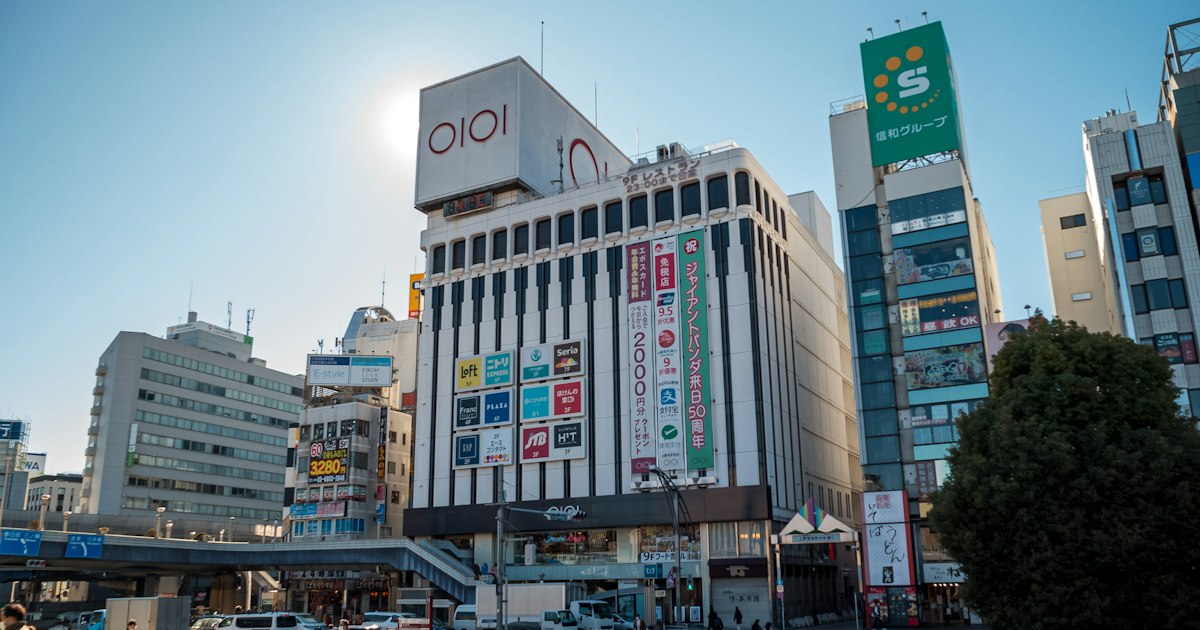
Photo by Luke Galloway on Unsplash
Wedged into the elevated train tracks between Ueno and Okachimachi stations, Ameyoko is Tokyo’s loudest, cheapest, and most chaotic shopping street — and that’s exactly the point. Vendors shout out prices, dried fish and fresh tuna sit side by side with discount sneakers and knockoff sunglasses, and nobody minds if you just want to wander and snack your way through. Here’s how to actually shop it well.
What Is Ameyoko Market?
Ameyoko — short for Ameya-Yokocho, “candy shop alley” — grew out of the black markets that sprang up around Ueno Station after World War II. Some vendors sold homemade candy (ame) when sugar was scarce; others say the name comes from “America,” since imported American goods were a big part of the early trade. Either way, the bargain-market identity stuck. Today it’s about 500 meters of narrow street and covered arcade, packed with roughly 400 shops and stalls selling everything from fresh seafood and dried bonito flakes to cosmetics, luggage, army surplus jackets, and bags of imported snacks.
It’s not a polished, curated experience — it’s a working market that locals still use for cheap groceries, especially around New Year’s. That’s part of the charm.
How to Get There
Ameyoko runs directly alongside and under the JR train tracks connecting Ueno and Okachimachi stations, so it’s easy to reach from several directions:
- JR Ueno Station (Yamanote, Keihin-Tohoku, Utsunomiya, Takasaki, Joban lines) — use the Hirokoji exit or Shinobazu exit, about a 1-2 minute walk.
- JR Okachimachi Station — exit and you’re at the south end of the market immediately.
- Ueno-hirokoji Station (Ginza Line) or Naka-okachimachi Station (Oedo Line) also drop you within a couple minutes’ walk.
If you’re coming straight from Narita or Haneda with luggage, it’s worth stashing your bags before you dive in — the alleys get narrow and crowded fast. See our guide to coin lockers in Japan for sizes and prices; Ueno Station has a large bank of lockers near most exits.
What to Buy (and What It Costs)
Ameyoko is really several markets stacked together:
- Dried seafood and snacks: Bags of dried squid, small fish, and seaweed snacks typically run ¥300-800. This is one of the best places in Tokyo to buy bulk katsuobushi (dried bonito flakes) or niboshi for making dashi at home.
- Fresh seafood: Whole tuna, uni, king crab legs, and sea urchin are sold by weight, with prices posted (and often shouted). Expect to pay a premium versus a supermarket for the best cuts, but well below department-store prices — a small tray of uni might run ¥1,000-3,000 depending on grade and season.
- Fruit: Whole melons, strawberries, and mixed fruit cups are sold cheap by street-stall standards, often ¥300-500 for a cup.
- Sneakers and bags: Several multi-floor stores sell brand-name sneakers and sports gear at discount prices, particularly worth checking if you wear common sizes.
- Cosmetics and drugstore goods: A few shops specialize in discounted Japanese skincare and makeup — good for gift-buying, but compare a couple of stores since pricing isn’t always uniform.
- Imported and ethnic foods: A legacy of the postwar import trade, several stalls sell spices, snacks, and ingredients from India, Southeast Asia, and beyond — unusual for a “Japanese souvenir” street and worth a look if you cook.
Prices are mostly fixed and posted, but at the seafood and fruit stalls it doesn’t hurt to ask if there’s a deal on the last few pieces, especially later in the day.
Street Food to Try Along the Way
You don’t need a sit-down meal here — the fun is grazing. Look for grilled skewers, fried gyoza, fresh-cut fruit, and stalls doing takoyaki or okonomiyaki-style griddle snacks. If you want something sweet, keep an eye out for taiyaki and imagawayaki stands nearby; we cover both in our guide to Japan’s fish-shaped sweet snacks. Most street food here costs ¥200-600 per item, so it’s easy to sample five or six things without denting your budget.
Best Time to Visit
Most shops open around 10:00am and close between 7:00 and 8:00pm, though hours vary by vendor since almost every stall is independently owned — don’t expect uniform closing times, and a few shops close midweek. Weekday mornings and early afternoons are noticeably calmer than weekend afternoons, when the main strip can get shoulder-to-shoulder.
The single busiest, most iconic time to visit is December 30-31, when Tokyo households descend on Ameyoko to buy osechi (New Year’s food) ingredients — crab, fish roe, mochi, dried goods — and vendors shout deals over a wall of noise. It’s a genuine spectacle and worth experiencing once, but go in expecting crowds, not a leisurely browse. If you want that energy without the peak crush, the last week of December generally is livelier than any other time of year.
Common Mistakes to Avoid
- Assuming card payment everywhere: Many stalls, especially food and small goods vendors, are cash-only. Carry yen in small bills.
- Expecting to haggle everywhere: Some seafood and fruit vendors will deal, particularly near closing time, but most shops post fixed prices and haggling isn’t the norm — don’t push it at cosmetics or clothing stores.
- Photographing vendors and stalls without asking: Some sellers don’t mind, others do, particularly at small family-run counters. Ask first.
- Buying fresh seafood without a way to keep it cold: If you’re not eating it same-day, think twice before buying raw fish or uni — most hotel rooms don’t have proper refrigeration for it. Dried goods travel much better.
- Only sticking to the main strip: The parallel side alleys (particularly toward Okachimachi) have some of the better bargains and are much less crowded than the central covered arcade.
Budget, Mid-Range, and Splurge Picks
Budget (under ¥1,000): A bag of dried snacks, a cup of cut fruit, and a couple of skewers or a taiyaki makes for a filling, cheap grazing session.
Mid-range (¥1,000-5,000): A gift box of assorted dried seafood or bonito flakes, a pair of discount sneakers, or a modest tray of fresh seafood to eat that day.
Splurge (¥5,000+): Premium uni, whole king crab legs, or a large seafood gift set for bringing home to family — just confirm it’ll survive your travel day before committing.
Ameyoko pairs naturally with a broader Ueno day — the park, museums, and zoo are a short walk away — but if you want to compare it against Tokyo’s other great neighborhood-shopping experience, our guide to Kichijoji’s shops and Inokashira Park is a good next stop, and food lovers heading back toward the bay can follow up with Tsukishima’s monjayaki district for dinner.