Hina Ningyo — the tiered sets of court dolls displayed for Hina Matsuri, Japan’s Girls’ Day on March 3 — are some of the most beautiful traditional objects a visitor can bring home, and also some of the most commonly mis-bought. Shoppers either overpay for a tourist-grade miniature at a souvenir shop or get overwhelmed in a specialist store and walk out with nothing. This guide covers what you’re actually buying, when to shop, what things cost in yen, and where to go, whether you want a serious collector’s set or a small display piece that fits in carry-on luggage.
What’s Actually in a Hina Ningyo Set
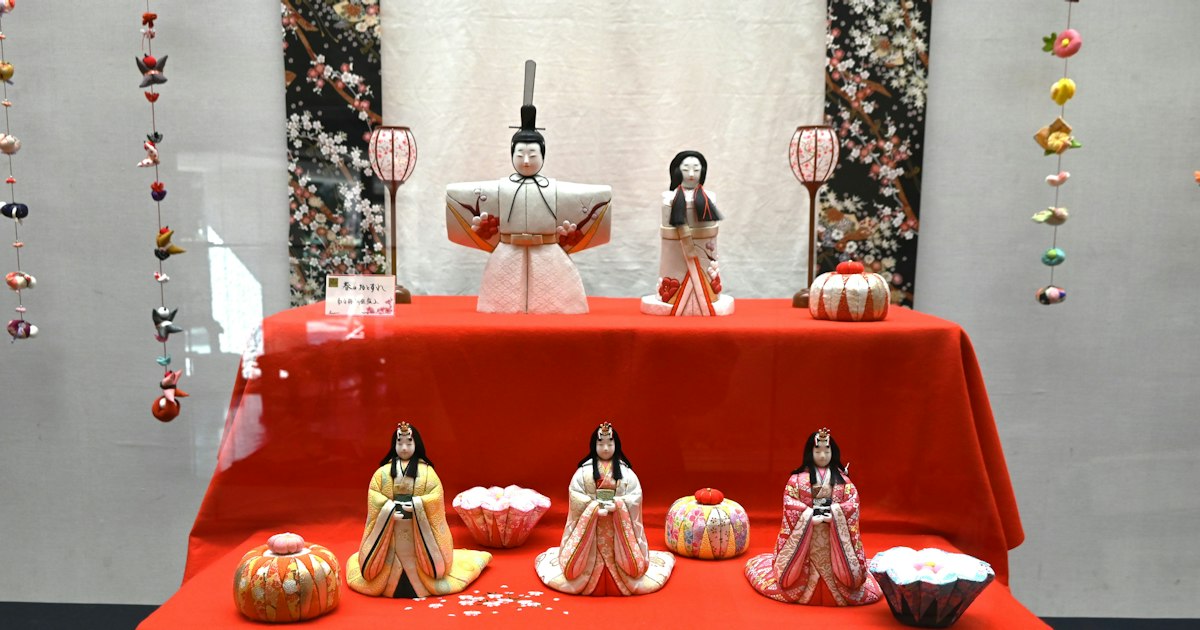
A full set is built in tiers (dan), and the number of tiers is the single biggest price driver. From the top down:
- Dairi-bina — the Emperor and Empress pair, always present even in the smallest sets. Sold alone, this pair is a complete, traditional display on its own.
- San-nin kanjo — three court ladies, added on a 3-tier set.
- Go-nin bayashi — five musicians, standard on 5-tier sets.
- Zuishin and shicho — ministers and servants, which appear on 7-tier sets along with miniature furniture, lacquerware, and a palanquin.
Faces and bodies vary by region and workshop: Kyoto-school faces tend to be rounder and more understated, while Tokyo (Edo) workshops often favor a more refined, doll-like look. If you’re comparing sets side by side, this is the detail that will actually differentiate “nice” from “exceptional” more than the fabric.
Prices by Tier: What to Actually Expect to Pay
Prices below reflect what you’ll see at reputable specialty shops in Tokyo, not department store markups or airport souvenir stalls:
- Budget (¥20,000–¥80,000): A dairi-bina pair only, often in a compact acrylic case (kesho-bako style). This is the realistic option if you’re flying home with it in a suitcase.
- Mid-range (¥100,000–¥400,000): 3-tier sets with the court ladies, or glass-cased versions of larger sets that protect the dolls from dust without needing to be boxed up each year.
- Splurge (¥500,000–¥2,000,000+): Full 7-tier sets from named workshops, hand-finished faces (often in gofun, a shell-powder paste, not plastic), and silk brocade robes. These are what Japanese families buy for a daughter’s first Hina Matsuri and are genuinely heirloom-grade.
Custom or made-to-order sets from established workshops can have long lead times — if you want a specific artisan’s work finished in time to ship before the season, inquire by late autumn, not January.
Best Time to Shop
Hina Ningyo are a seasonal product in Japan, which affects both selection and price:
- December–mid-February is peak buying season and the best time to see full inventory, since Japanese families buy ahead of March 3.
- Late February stock thins out fast, especially in popular size and price bands.
- Right after March 3, remaining stock often goes on clearance (sometimes 20–40% off), but you’re choosing from leftovers, not browsing a full range.
- Spring through autumn, dedicated doll shops still operate but with reduced floor stock — fine if you already know what you want, less fine if you want to compare several sets in person.
If your trip doesn’t align with the season, call ahead or check a shop’s site before visiting — some keep a smaller showroom stocked year-round specifically for visitors and collectors.
Where to Shop: Asakusabashi, Tokyo’s Doll District
Asakusabashi, a few minutes by train from Akihabara on the Toei Asakusa Line or JR Sobu Line, has been Tokyo’s doll-making and doll-wholesale district for generations. Two shops anchor the area:
- Yoshitoku, founded in 1738, with multiple floors covering everything from small cased pairs to full artisan sets. Generally open 10:00–18:00; closed some weekdays off-season, so check before a special trip.
- Kyugetsu, just down the street, similarly historic and with English-speaking staff available at busy times of year.
Staff at both are used to overseas buyers and can talk through size, packing, and shipping options on the spot. In Kyoto, doll and craft shops around Teramachi and Shijo carry Kyoto-school sets with the rounder facial style mentioned above — worth comparing if you’re traveling between the two cities. If you’re building a broader basket of traditional crafts on the same trip, it’s worth also browsing a shop that carries kumiko zaiku lattice panels — several craft retailers near these doll districts stock both.
Buying Secondhand or Antique Sets
Flea markets — Kyoto’s Toji Temple market (21st of each month) and Tokyo’s Oedo Antique Market — regularly have older hina sets, sometimes complete, sometimes just the imperial pair, at a fraction of retail. This is a good route for a decorative piece rather than a brand-new heirloom, and prices for a secondhand pair can run as low as ¥5,000–¥15,000.
One genuine caution with antiques: older hina dolls occasionally have hands, faces, or accessories made partly from ivory rather than modern materials like resin or gofun. If you’re buying anything that looks pre-1970s and ornate, ask the seller directly and check your home country’s import rules before paying — this is the kind of detail that can hold up an otherwise lovely purchase at customs. New sets from current workshops don’t have this issue.
If your secondhand shopping extends to other traditional handicraft supplies, Yuzawaya and similar specialty stores — covered in our guide to buying secondhand sewing patterns and dressmaking books in Japan — also stock the fine fabrics and cords used in doll robes, useful if you ever want to have a damaged piece restored.
Getting It Home
A single dairi-bina pair in its display case fits in a large suitcase if padded well — ask the shop to wrap it, they do this constantly in season and are better at it than you will be with hotel towels. For anything larger, most shops can arrange domestic courier shipping to your hotel or to a forwarder, and international shipping companies in Tokyo can crate a multi-tier set for air freight. The packing and customs logic is similar to shipping other bulky, fragile purchases home — our guide to shipping a bicycle home from Japan covers the courier and airline options in more detail, and the same carriers (Yamato, Japan Post, or a dedicated freight forwarder) handle doll cases.
Mistakes Worth Avoiding
- Buying from a souvenir shop in Asakusa or Narita expecting an authentic set — these are almost always small decorative pieces at inflated prices, not comparable to what you’ll find in Asakusabashi.
- Underestimating size. A 7-tier set with its stand can be well over a meter wide. Measure your display space before you fall for a big one.
- Skipping humidity protection. Silk robes and gofun faces don’t love Japan’s summer humidity or your home’s dry winter heating. A glass or acrylic case solves most of this; an open display needs a dry, stable storage box for the rest of the year.
- Assuming any hina doll travels well unboxed. Heads and hands are often removable or loosely pegged by design, for storage — handle sets by the body, not the head, when repacking.
Buy with the season in mind, go to a shop that specializes rather than one that merely stocks, and you’ll come home with something that’s a genuine piece of craft rather than a shelf decoration bought in a hurry.