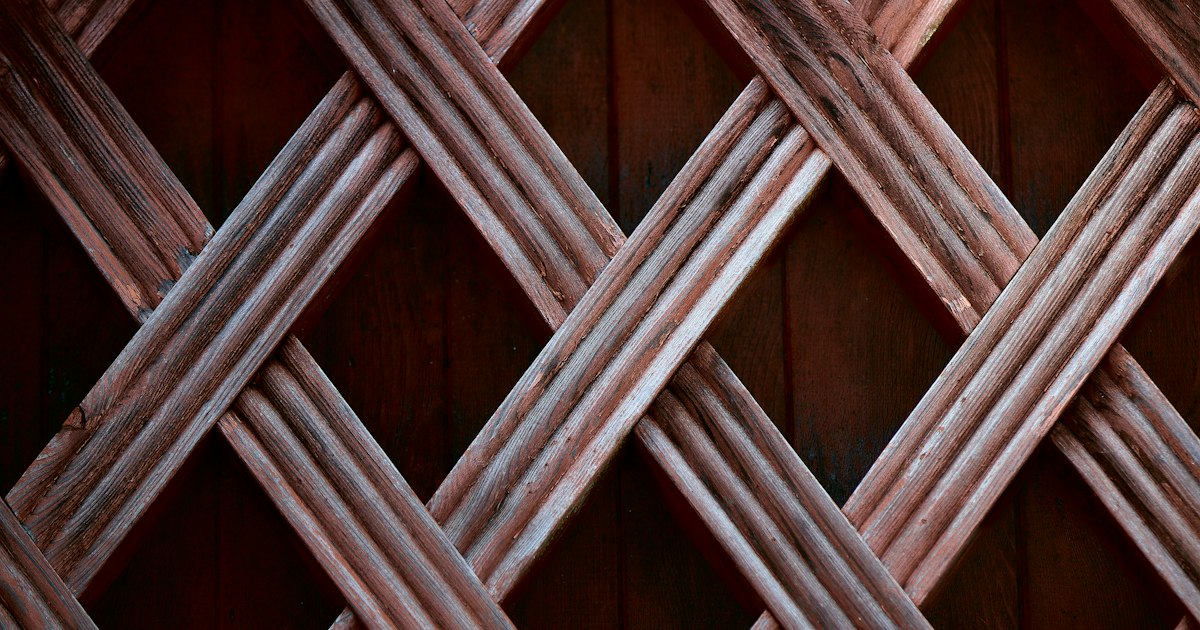
Photo by 𝕡𝕒𝕨𝕤 𝕒𝕟𝕕 𝕡𝕣𝕚𝕟𝕥𝕤 on Unsplash
Walk through almost any traditional ryokan or old Kyoto townhouse and you’ll eventually stop in front of a transom panel or shoji screen insert filled with tiny wooden pieces locked together into a star, a hexagon grid, or a radiating hemp-leaf pattern — no nails, no glue in the joints, just wood fitted against wood. That’s kumiko zaiku, and it’s one of the more satisfying souvenirs you can bring home from Japan precisely because it’s both decorative and genuinely technical. This guide covers what you’re actually paying for, where to buy it in person, and how to get a finished panel home in one piece.
What Kumiko Zaiku Actually Is
Kumiko is a joinery technique, not a single craft brand — individual strips of wood (traditionally hinoki cypress, sugi cedar, or sometimes paulownia) are notched and assembled into repeating geometric patterns without fasteners. It developed out of temple and shrine carpentry and became widespread in the Edo period as a way to decorate shoji screens, ranma (the transom panels above sliding doors), and tea-room fittings. Today it survives mainly as part of Japan’s tategu (fittings and joinery) trade, concentrated in a few regions: Tokyo’s old craftsman districts, Fukui Prefecture’s Echizen area, and Toyama, all historically known for shoji and door fittings built for temples, ryokan, and traditional houses.
Reading the Patterns: Why One Panel Costs Ten Times Another
Before you shop, it helps to know that not all kumiko is priced the same way. The classic asanoha (hemp leaf) pattern is the most common because it’s made from relatively few repeating pieces — it’s the pattern you’ll see on the cheapest coasters. Patterns built from dozens of tiny interlocking hexagons or stars (often labelled kikkou or goma-style patterns) require far more individual cuts and fitting time, and pricing roughly tracks piece count rather than panel size. A coaster with 40 pieces is not “slightly nicer” than one with 15 pieces — it can easily take three or four times longer to make. Ask whether a piece is hand-cut by a craftsperson or machine/laser-cut; both exist in the market, and laser-cut reproductions are cheaper, more uniform, and not wrong to buy as souvenirs, but they shouldn’t be priced or sold as handmade.
Where to Buy in Tokyo
The single easiest stop is Japan Traditional Crafts Aoyama Square, a government-affiliated shop in Minato-ku that curates traditional crafts from every prefecture, including kumiko coasters, trivets, and small decorative panels from Fukui and Tokyo workshops. It’s a 3–5 minute walk from Aoyama-itchome Station (Ginza, Hanzomon, Oedo lines) or Gaienmae Station (Ginza line), open daily 11:00–19:00 with occasional irregular closures around New Year — check before a special trip. Prices here run roughly ¥2,500–¥8,000 for a coaster set of four to six pieces and ¥15,000–¥40,000 for a small framed wall panel around A4 to A3 size.
Beyond Aoyama Square, Tokyo’s Taito-ku — historically a tategu and joinery neighborhood around Asakusa — still has small ateliers that sell direct and occasionally run short coaster-making workshops. Antique and secondhand dealers are also worth checking: old ranma panels salvaged from demolished machiya houses sometimes surface in the same kind of backstreet antique shops that deal in secondhand tableware, like the ones covered in our guide to Setomono-ya secondhand tableware shops — a genuine antique panel is cheaper than a new custom one and has decades of patina, though you’ll need to inspect joints carefully for warping.
DIY Kits and Craft Stores
If you’d rather assemble one yourself, DIY kumiko coaster kits (pre-notched strips you fit together with a small mallet, no glue needed) are sold at large craft chains and in the specialty craft section of department stores, typically ¥1,500–¥3,000 per kit and light enough to pack in carry-on luggage. These sit in the same aisles as the sewing and pattern-making supplies covered in our piece on specialty craft stores like Yuzawaya, so if you’re already hunting for fabric or patterns, it’s worth a five-minute detour to the woodcraft shelf.
Hands-On Workshops
Several small studios in Tokyo, particularly around Asakusa, offer 60–90 minute kumiko coaster or small-panel workshops aimed at visitors, usually priced ¥3,000–¥6,000 per person including materials and tool use. These are genuinely worth booking if you want to understand why the craft is priced the way it is — cutting even a simple asanoha strip to the exact angle needed for a tight fit is harder than it looks. Capacity is small (often under eight people per session), so reserve a few days ahead rather than walking in, especially on weekends.
Buying Direct from the Craft Regions
If your itinerary includes Fukui Prefecture, the Echizen area is historically one of Japan’s main tategu-producing regions and a good place to find kumiko work at workshop-direct prices rather than Tokyo retail markup. Toyama has a similar, smaller tradition tied to its temple carpentry trade. Neither region’s shops keep tourist-friendly English signage or online booking to the same degree as Tokyo, so if you’re planning a detour specifically for this, it’s worth calling ahead or going through your ryokan’s concierge to confirm current hours.
Budget, Mid-Range, and Splurge, and Getting It Home
As a rough budget map: a budget buy is a ¥1,500–¥3,000 DIY kit or a simple four-piece asanoha coaster set; mid-range is a hand-finished coaster set or small wall panel from a named workshop, ¥8,000–¥40,000; a splurge is a large custom panel or ranma-style insert with a complex multi-pattern design, which can run ¥100,000–¥300,000 or more depending on size and wood grade, usually made to order with a wait of several weeks.
The most common mistake isn’t overpaying — it’s underestimating fragility. Kumiko panels are held together entirely by friction-fit joints with no adhesive, so a panel that survives decades indoors can pop apart if dropped or crushed in a suitcase. For anything larger than a coaster set, ask the shop about rigid flat-pack boxing, and for a panel-sized piece, consider shipping it home by courier (takkyubin) or international parcel rather than checking it as luggage — the same logic that applies to packing an oversized, awkward item like a bicycle for the trip home, as outlined in our guide to shipping a bicycle home from Japan: rigid outer packaging and a courier that handles fragile, oversized items beats trying to force it into standard check-in baggage.