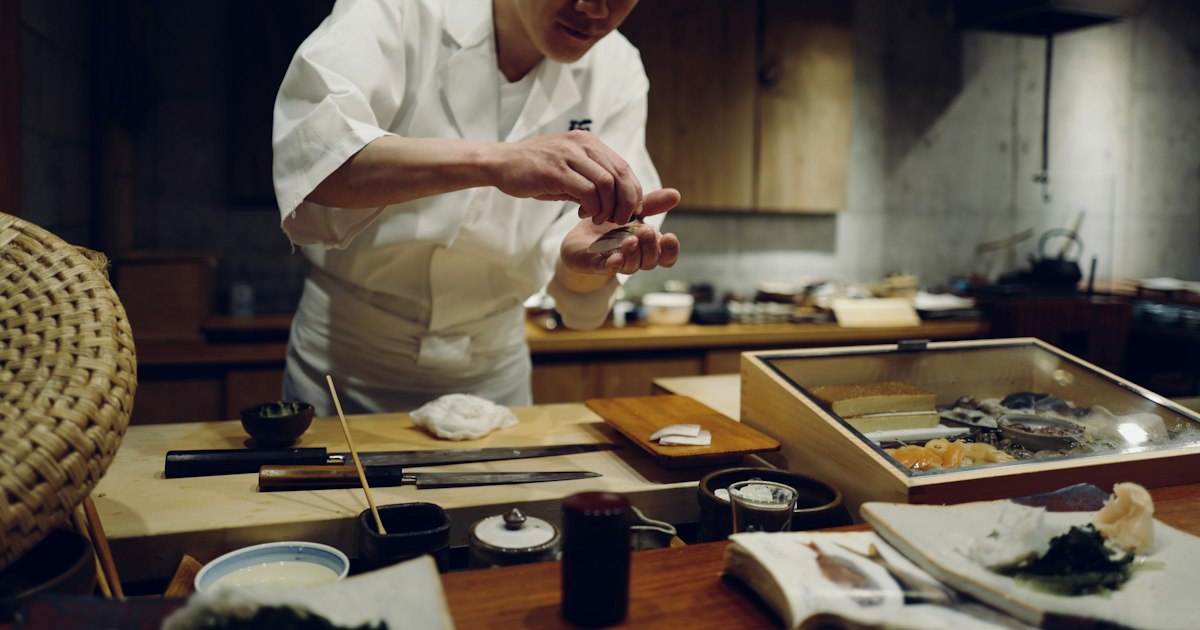
Photo by Thomas Marban on Unsplash
If you’ve ever watched a Japanese cooking video and noticed a flat wooden disc sitting directly on top of simmering daikon or braised pork belly, you’ve seen an otoshibuta (落とし蓋) — literally a “dropped lid.” It looks almost too simple to matter, but it’s one of those quiet tools that separates home cooking that tastes like a Tokyo izakaya from home cooking that just tastes boiled. This guide explains what it does, how to buy and use one correctly, and which other Japanese kitchen tools are worth seeking out while you’re at it.
What an Otoshibuta Actually Does
An otoshibuta is a lid smaller than the diameter of your pot, placed directly on the surface of the food rather than resting on the pot’s rim. In simmered dishes (nimono) like kabocha squash, buri daikon, or nikujaga, it does three things at once: it keeps pieces of food from bobbing around and breaking apart, it circulates the simmering liquid back down over the food so seasoning penetrates evenly without needing to be stirred, and it slows evaporation just enough that you reduce a sauce without scorching the bottom. The traditional material is unfinished cedar (sugi) or cypress (hinoki), both of which are light enough to float gently on the liquid’s surface and mild enough in scent that they don’t transfer flavor.
You’ll also see metal versions with small steam holes, and modern silicone ones with a flexible skirt that flexes to fit different pot sizes. They all do the same basic job; the differences are in cost, durability, and how much they interact with the dish’s aroma.
Wood, Metal, or Silicone: How to Choose
Wooden otoshibuta are the traditional choice and genuinely improve flavor in long-simmered dishes, but they need a little care: soak a new one in water for 10–15 minutes before first use so it doesn’t crack, warp, or absorb too much liquid (and odor) from the pot. Dry it standing up after each use rather than leaving it wet in the sink, and never put it through a dishwasher.
Silicone otoshibuta are the practical pick for a traveler’s kitchen or a small apartment — they’re dishwasher-safe, nest flat in a drawer, and one size typically adjusts to fit pots from about 16cm to 26cm. Stainless steel versions with perforations are the most durable and easiest to keep sanitary, which is why many commercial kitchens use them, though they don’t flex with uneven pot shapes the way silicone does.
Sizing matters more than material: the otoshibuta should sit just inside the pot’s inner wall, touching the food. If it’s too small, liquid splashes over the top and you lose the circulation effect; too large, and it jams against the pot sides and tilts.
Where to Buy One: Kappabashi Kitchen Town
The best place to buy an otoshibuta — or almost any Japanese cooking tool — is Kappabashi Dougu Gai (合羽橋道具街) in Asakusa, Tokyo, a roughly 800-meter stretch of specialty kitchenware shops. It’s a 5-minute walk from Tawaramachi Station (Ginza Line) or about 10 minutes from Asakusa Station. Most shops open around 9:30–10:00am and close by 5:30–6:00pm; many are still closed on Sundays, a holdover from the street’s wholesale-trade roots, so a weekday morning visit is the safest bet if you want every shop open.
- Wooden otoshibuta: roughly ¥500–¥1,500 depending on diameter and whether it’s cedar or the slightly pricier hinoki.
- Silicone otoshibuta: around ¥900–¥1,800 for an adjustable one.
- Stainless steel with steam holes: ¥1,200–¥2,500.
Union Corporation and Kamata Hakensha are well-known names on the street for cookware, and most general kitchenware shops along Kappabashi stock otoshibuta in multiple sizes, so you can actually hold a few against your own pot’s measurements before buying. If you’re not making it to Asakusa, department store kitchen floors (Tokyu Hands, Loft, or the basement kitchenware section of most big department stores) carry the silicone and metal versions year-round, though the selection of traditional wooden ones is thinner.
Other Essential Japanese Cooking Tools Worth Picking Up
Once you’re in a kitchenware shop, a handful of other tools are worth the suitcase space:
- Suribachi and surikogi — a ridged ceramic mortar and wooden pestle used for grinding sesame seeds or making goma-dofu. A small 12cm set runs about ¥1,500–¥3,000.
- Makisu — the bamboo mat used for rolling sushi and also for shaping tamagoyaki (rolled omelette) while it’s still warm. Expect ¥300–¥800 for a basic one.
- Oroshigane — a grater for daikon, ginger, or wasabi. Copper versions with fine teeth (¥3,000 and up) grate much more finely than Western box graters; ceramic and stainless versions start around ¥500.
- Donabe — a clay pot for nabe hot pot and rice. These are heavy and fragile, so they’re more of a “ship it home or buy it near the end of your trip” purchase; simple ones start around ¥3,000, with artisan pieces well into five figures.
If the craft angle interests you as much as the cooking, it’s worth reading about Japanese woodworking hand tools — the same attention to grain, wood choice, and joinery that goes into a kanna plane shows up in how a good wooden otoshibuta or makisu is made. And if you enjoy hunting for older, well-used pieces rather than new ones, Japan’s antique hardware and tool flea markets sometimes turn up vintage copper oroshigane or lacquered hangiri rice tubs for a fraction of retail price.
Common Mistakes Travelers Make
The most frequent mistake is buying an otoshibuta sized for a Japanese pot without checking it against the pots at home — Japanese nabe and donabe pots tend to run smaller in diameter than typical Western saucepans, so measure your own pot’s inner diameter before shopping, or buy the adjustable silicone style if you’re unsure. The second mistake is skipping the pre-soak on a wooden lid and having it crack or warp within a few uses. Third, people sometimes substitute kitchen parchment or foil poked with holes — it works in a pinch, but it won’t flex and settle onto irregularly shaped food the way a proper otoshibuta does, and it can’t be reused.
Budget, Mid-Range, and Splurge Picks
For a budget option, a basic cedar otoshibuta from a Kappabashi general store at ¥500–¥800 does the job perfectly well for everyday nimono. For mid-range, an adjustable silicone otoshibuta (¥1,200–¥1,800) is the best all-rounder for travelers who want something durable and easy to pack. For a splurge, look for a hinoki otoshibuta from a specialty woodenware shop (¥2,000–¥4,000) — the cypress has a cleaner, slightly sweet scent and holds up to years of use if you take care of it, and it makes a genuinely nice souvenir for anyone who cooks.
None of these tools weigh much or take up real suitcase space, which is part of why Kappabashi is worth building into a Tokyo itinerary even if you’re not a serious home cook — a ¥700 wooden disc is a far more useful souvenir than most things sold in Asakusa’s main tourist street a few blocks away.