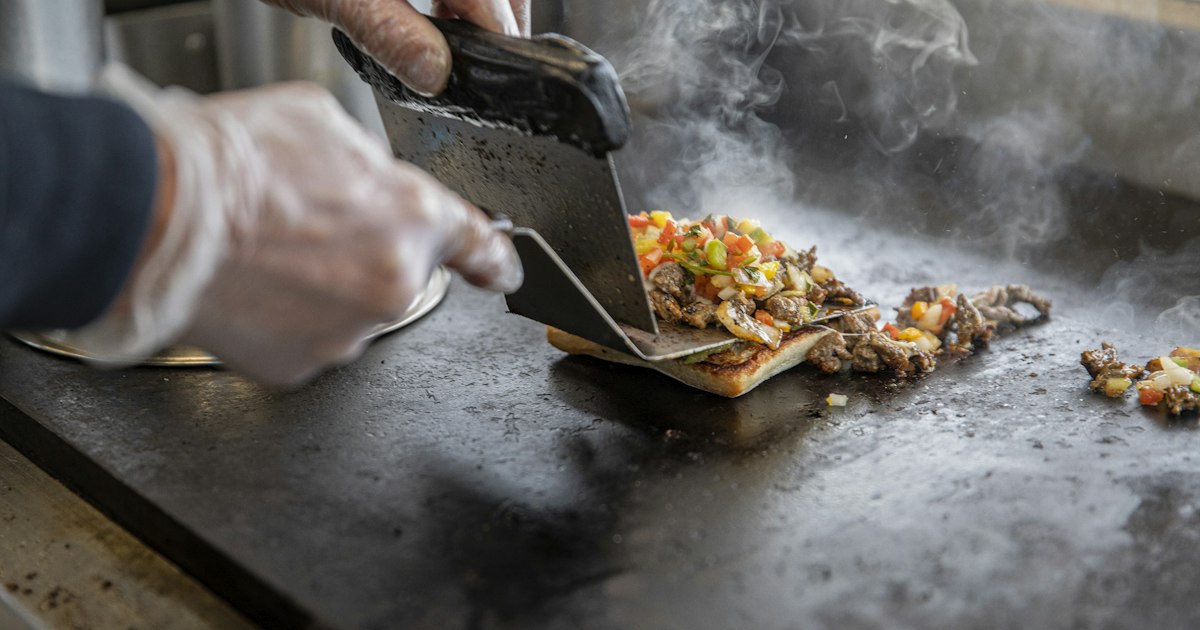
Photo by Jacob Granneman on Unsplash
Anyone who has sat at a teppanyaki counter or a backyard yakiniku grill in Japan knows the appeal isn’t just the meat or the batter — it’s the hot, heavy plate underneath that sears everything evenly and keeps sizzling long after the flame is turned down. A real Japanese teppan (鉄板, “iron plate”) griddle is one of the easiest pieces of Japanese kitchen culture to bring home, and unlike a rice cooker or a knife set, it doesn’t require a trip to a specialty district — though if you want the best selection and prices, a bit of planning helps.
What “teppan” actually means, and why it’s not a frying pan
A teppan is a flat, thick plate of metal with little or no lip, designed to hold and radiate heat evenly across a wide surface — the opposite goal of a frying pan, which is built to toss and flip. Home versions range from small 20cm cast-iron squares for a single serving of okonomiyaki to large 40–50cm rectangular plates that sit on top of a portable gas burner (konro) for a full yakiniku spread. The two materials you’ll see most often:
- Cast iron (鉄, tetsu): heavy, holds heat for a long time, needs seasoning and drying after every wash to prevent rust. This is what most serious okonomiyaki and monjayaki shops use.
- Enameled or coated steel: lighter, easier to clean, no rust risk, but cools faster and doesn’t develop the same deep sear over time.
If you’re buying one to pack in a suitcase, weight matters as much as material — a 2kg cast-iron plate is a very different packing decision than a 500g enameled one.
Where to buy one in Tokyo
Kappabashi (Kappabashi Dougu Street), near Asakusa, is Tokyo’s professional kitchenware district and the single best place to see the full range in person. Shops here cater to restaurant owners, so staff are used to answering detailed questions about thickness, heat retention, and which burner size a plate needs. Most stores open around 9:00 or 10:00am and close by 5:30–6:00pm, and many are closed on Sundays or irregular weekdays, so check before a dedicated trip. Expect to pay roughly ¥2,000–¥4,000 for a small single-serving cast-iron okonomiyaki plate, ¥6,000–¥15,000 for a mid-size home yakiniku teppan, and ¥20,000–¥35,000 for large, thick restaurant-grade plates that double as a stovetop centerpiece. While you’re in the neighborhood, Kappabashi is a short walk from Asakusa proper, so it’s easy to combine with a visit to Yagenbori’s 400-year-old shichimi togarashi shop — a seven-spice blend that’s genuinely excellent sprinkled over yakiniku or mixed into okonomiyaki batter.
Department store kitchen floors (Tokyu Hands/Hands, Loft, and the basement kitchen sections of stores like Isetan) carry smaller enameled and nonstick teppan plates sized for home gas stoves or tabletop IH burners, usually ¥3,000–¥8,000. These are a good middle-ground option if Kappabashi’s commercial-grade stock feels like overkill for occasional home use.
Beyond Tokyo: Osaka and Kobe
Osaka and Kobe are arguably more relevant than Tokyo here, since this is where teppanyaki and okonomiyaki as home-cooking traditions are strongest. Sennichimae Doguyasuji, Osaka’s equivalent of Kappabashi, has a similar mix of professional kitchen shops with comparable pricing, and it’s worth checking if you’re already routing through Namba. Local supermarkets and home centers (Kohnan, Joshin) in both cities also stock budget enameled teppan plates in the ¥1,500–¢3,000 range aimed squarely at families who make okonomiyaki at home routinely — these are perfectly fine for travelers who just want something functional rather than a showpiece.
Budget, mid-range, and splurge picks
- Budget (¥1,500–¥3,500): A small enameled or nonstick-coated plate sized for one or two servings. Light enough to check in a suitcase without worry, and forgiving if you’re new to seasoning cast iron.
- Mid-range (¥6,000–¥15,000): A proper cast-iron rectangular teppan, 30–40cm, sized for a portable butane burner. This is the sweet spot for someone who wants real yakiniku-shop sizzle at home and is willing to season and dry it properly.
- Splurge (¥20,000+): Thick (6mm+) restaurant-grade cast iron, often made by long-established foundries in Yamagata or Niigata. These retain heat for 20+ minutes after the burner is off and will genuinely outlast you, but they’re heavy — budget for shipping rather than carry-on.
Shipping it home instead of packing it
A large cast-iron teppan easily weighs 3–5kg, which eats into checked baggage allowance fast and risks excess baggage fees that exceed the plate’s price. Most Kappabashi and Doguyasuji shops can arrange international shipping (takuhai kokusai service) for an extra fee, though turnaround and cost vary by shop — ask before buying if this matters. The other reliable option is ordering directly through Rakuten Ichiba, where many of the same cast-iron foundries sell their teppan plates alongside detailed specs and customer photos; our guide to buying from Rakuten Ichiba as an overseas shopper covers how to navigate checkout, language barriers, and forwarding services if the seller won’t ship internationally directly.
Common mistakes first-time buyers make
- Buying cast iron without a plan to season it. New cast-iron plates need oiling and a dry heat cycle before first use, and must be dried completely (not just wiped) after every wash or they’ll develop rust spots within days — especially a problem if the plate sits in a suitcase for the rest of a trip.
- Ignoring the heat source. A teppan sized for a professional gas burner may not heat evenly on a small apartment IH stovetop. Ask the shop what burner size the plate is designed for, or check if it’s IH-compatible if that’s what you have at home.
- Forgetting the handle or stand. Some teppan plates ship without the wooden handle frame or metal stand sold separately — confirm what’s included before paying, since accessories can add ¥1,000–¥3,000.
- Not checking thickness. Thinner (under 3mm) plates warp faster under high, uneven heat. If longevity matters, a slightly heavier plate is worth the extra weight and yen.
Whether you end up with a palm-sized cast-iron square for solo okonomiyaki nights or a full rectangular teppan for grilling thin-sliced beef with friends, the plate itself does most of the work — good ingredients and a hot, well-seasoned surface get you most of the way to the real thing, wherever you end up cooking it.