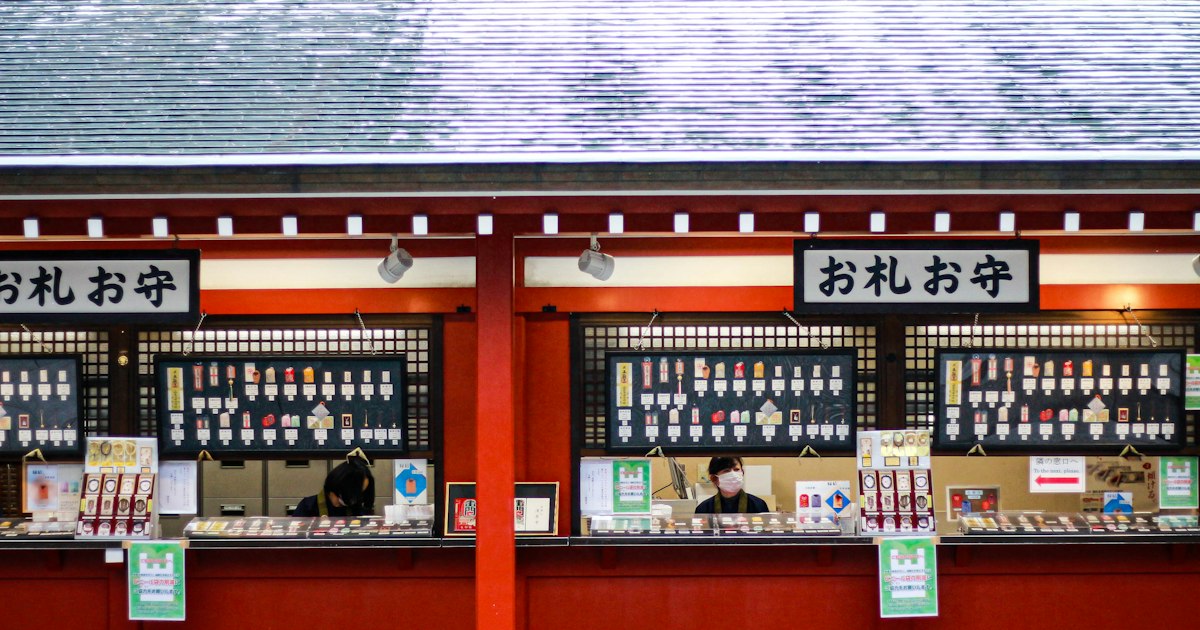
Tucked on the approach to Senso-ji, just steps from the Kaminarimon gate, is a shop that has been grinding chili peppers and spices for nearly 400 years. Yagenbori sells shichimi togarashi — Japan’s classic seven-spice chili blend — and it’s one of the few places left in Tokyo where the blend is still mixed to order, by hand, in front of you. For visitors who think of shichimi as just a shaker bottle at a ramen counter, a stop here changes the picture entirely: it’s a craft, a regional specialty, and a genuinely useful souvenir that doesn’t take up suitcase space.
A Spice Shop Older Than Modern Tokyo
Yagenbori traces its roots to 1625, in the early Edo period, making it one of the oldest shichimi specialists in Japan alongside shops in Kyoto and Nagano. The name comes from Yagenbori, a canal area in what is now Ryogoku, where the shop originally operated near an Edo-period medicine district — “yagen” refers to a mortar-and-pestle-style grinding tool once used for both medicine and spice. The shop later relocated to its current spot near Senso-ji, where generations of the same trade have continued: blending dried chili with other seeds, peels, and herbs to a customer’s taste, rather than selling one fixed mix off a shelf.
This history matters for understanding why the shop still operates the way it does. Shichimi togarashi was originally sold by spice merchants as a tailored condiment, closer to a pharmacist’s mix than a factory product. Yagenbori is one of the last shops in Tokyo keeping that custom-order model alive for everyday customers, not just as a tourist gimmick.
Where to Find It and How to Get There
The main Asakusa shop sits right on the street leading from Kaminarimon gate toward Senso-ji’s main hall, close enough that you’ll likely pass it even without looking for it. The easiest approach:
- By train: Asakusa Station (Tokyo Metro Ginza Line, Toei Asakusa Line, or Tobu Skytree Line) is a 5-7 minute walk. Exit toward Kaminarimon and walk north through the gate.
- Landmark: Look for the large red Kaminarimon lantern, then walk toward Senso-ji — Yagenbori is just off the main Nakamise-dori shopping street, easy to miss if you’re focused on the souvenir stalls.
- Hours: Generally open daily from around 9:00 or 10:00 until early evening (roughly 18:00), with no fixed weekly closing day — but Asakusa shop hours can shift around New Year’s and major holidays, so don’t make it your only reason for a special trip if you’re visiting in late December or early January.
Because it’s this close to Senso-ji, the smart move is folding it into a temple visit rather than treating it as a separate errand — it adds maybe 10-15 minutes to a Nakamise-dori walk.
How the Custom Blend Actually Works
What makes Yagenbori worth the stop isn’t just the history — it’s that staff will build a blend for you on the spot. Shichimi togarashi traditionally combines seven ingredients, and while the base is always chili pepper, the supporting cast can include sesame seeds, nori (seaweed) flakes, dried mandarin or yuzu peel, sansho pepper, poppy seeds, hemp seeds, and ginger. At the counter, you can ask for a blend that’s heavier on citrus peel for a brighter, more fragrant mix, lighter on chili for guests who don’t love heat, or weighted toward sansho if you want the tingling, almost-numbing note that’s distinct from straight capsaicin heat.
If your Japanese is limited, pointing at the spice trays and using simple words works fine — “spicy” (karai), “mild” (amai or less karai), and “citrus” (yuzu or mikan) get the idea across. Staff are used to tourists and generally happy to recommend a balanced starter blend if you’re unsure.
What to Buy and What It Costs
Pricing scales with the size of the container, not the blend itself — custom mixing doesn’t cost extra on top of the base price.
- Budget: A small bamboo or paper canister of shichimi typically runs in the roughly ¥500-700 range — enough for one household to use over several months, and light enough to carry in a daypack.
- Mid-range: Larger refillable tins or the shop’s signature wooden “yagen”-style containers cost more, generally in the ¥1,000-2,000 range depending on size and container material.
- Splurge: Gift sets that pair shichimi with other condiments, or packaged in more decorative boxes, run higher and make a genuinely distinctive gift for someone back home who cooks — much more interesting than a generic matcha-flavored snack from the airport.
Prices are approximate and can shift, so treat these as a planning range rather than a quote. If you’re the type who also cares about the tools shichimi goes on top of, it’s worth knowing Japan takes kitchenware just as seriously — see this guide to choosing a hinoki or ginkgo cutting board if you’re building out a Japanese kitchen kit while you’re at it.
Common Mistakes to Avoid
A few things trip up first-time visitors:
- Treating it as a quick grab-and-go stop. The custom-blend process takes a few extra minutes compared to just buying a pre-packed jar. Build in a little time, especially on a busy Nakamise-dori afternoon.
- Buying the biggest container “to be efficient.” Shichimi loses aroma over time once opened, especially the citrus peel notes. Unless you cook with it constantly, a smaller size stays fresher for a typical home cook.
- Assuming it’s only a heat product. If you’re sensitive to spice, don’t skip it — ask for a citrus-and-sesame-forward blend with minimal chili. It’s still distinctly shichimi, just gentler.
- Forgetting it needs to stay dry. If you’re traveling on through humid summer months before heading home, keep the container sealed and out of a bag pocket that gets damp.
Best Time to Visit and Using It Once You’re Home
There’s no strong seasonal reason to time a visit — shichimi is a year-round product and the shop isn’t weather-dependent. The practical consideration is Asakusa’s foot traffic: mornings before 10:00 are calmer around Nakamise-dori and Senso-ji, while afternoons and weekends get crowded. If you’re pairing the stop with a temple visit, an early start lets you shop without jostling through tour groups.
Once you’re home, shichimi togarashi is far more versatile than its usual role as a noodle-shop condiment suggests. It’s traditionally dusted over soba and udon — if you want to see how Tokyo locals actually eat noodles on a tight schedule, this guide to Tokyo’s standing soba stalls is a good companion read — but it also works well on grilled fish, miso soup, roasted vegetables, or even scrambled eggs. A little goes a long way, which is part of why a small Yagenbori canister makes such a practical souvenir.
If you can’t make it to Asakusa in person, or want to reorder after you’ve gone home, Japanese spice shops increasingly list on domestic marketplaces. It’s worth knowing the basics of ordering from Japan as an overseas shopper — this guide to buying from Rakuten Ichiba covers the shipping and language workarounds you’ll need, though availability of smaller artisan shops varies and in-person is still the surer bet for a true custom blend.