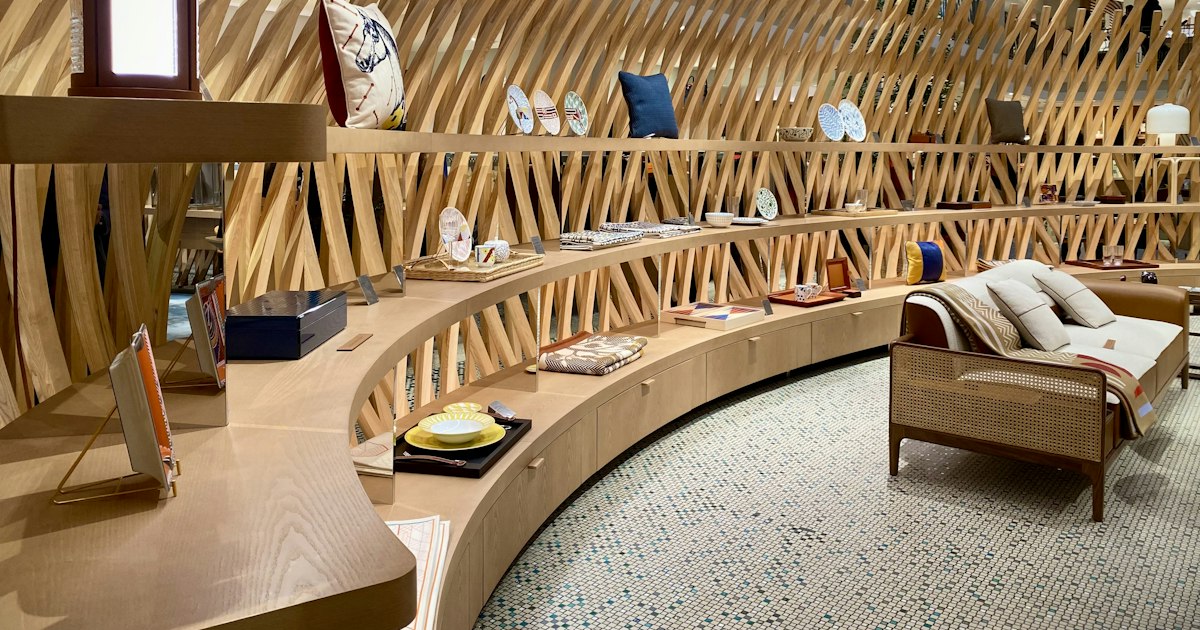
Photo by Armand Khoury on Unsplash
If you’ve settled into a Japanese Airbnb or apartment and wondered where the curtains, cushions, and that oddly satisfying storage box came from, the answer is almost always the same: Nitori. Japan’s answer to IKEA is a nationwide chain of furniture and home goods stores that locals use for everything from a ¥500 cushion cover to a full bedroom set, and it’s one of the best places for visitors to find practical, well-designed Japanese home products at prices that won’t wreck a travel budget.
What Nitori Is (and How It Differs From IKEA)
Nitori was founded in 1967 in Hokkaido and is now headquartered in both Sapporo and Tokyo, with well over 500 stores across Japan plus locations in Taiwan, China, Malaysia, and the United States. The IKEA comparison is fair in spirit — huge warehouse-style stores, low prices, a Swedish-minimalist-adjacent aesthetic — but the shopping experience is different in one key way: most small and mid-sized Nitori products come fully assembled or ready to use straight out of the package. You’re not wrestling with an Allen key and 40 dowels in a Tokyo apartment hallway. Larger furniture (bed frames, shelving units, sofas) is usually flat-packed for home delivery or pickup, but day-to-day items like bedding, curtains, kitchen tools, and storage are grab-and-go.
There’s also no in-store restaurant serving meatballs — Nitori is purely a retail operation, so budget separately for lunch if you’re making a half-day trip of it.
Store Formats: Know Which One You’re Walking Into
Nitori operates under a few different formats, which matters if you’re trying to find a specific product:
- Nitori (full-size stores): The classic warehouse format, usually in suburban roadside locations or attached to shopping malls, with the full furniture lineup plus home goods.
- Nitori Express: Smaller, train-station-adjacent or urban stores focused on home goods, bedding, and small items rather than big furniture — convenient if you’re staying centrally and don’t want to trek out to the suburbs.
- Nitori Deco Home: A mid-size, lifestyle-curated format with a slightly more polished interior-design feel, often in urban retail complexes.
Many full-size Nitori stores sit inside or beside large suburban shopping complexes, similar to the mall culture covered in our guide to AEON Mall — in fact it’s common to find a Nitori and an AEON Mall sharing the same parking lot, so you can combine a furniture run with groceries, a food court meal, and clothing shopping in one stop.
What’s Actually Worth Buying
Nitori’s strongest categories for travelers are lightweight, useful, and reasonably packable:
- Budget (under ¥2,000): Cushion covers (¥500–¥1,500), tea towels and kitchen cloths, compact storage boxes, bath mats, and the brand’s famous “N Cool” cooling bedsheets and pillowcases (around ¥1,500–¥2,500), which are genuinely useful for Japan’s humid summers and a popular souvenir among residents.
- Mid-range (¥2,000–¥8,000): Curtains (¥1,500–¥4,000 per panel depending on size and blackout level), rugs, duvet covers, folding tables, and small shelving units. This is where Nitori earns its reputation — solid, nice-looking home goods at prices that make department stores look absurd.
- Splurge (¥10,000+): Sofas, bed frames, and larger storage furniture, typically ¥15,000–¥50,000+, aimed squarely at people furnishing an apartment rather than tourists filling a suitcase.
If you’re in Japan on a working holiday visa and setting up a short-term apartment, Nitori is genuinely the most efficient way to furnish a place from empty to livable in a single afternoon — curtains, bedding, a desk, and kitchen basics can realistically come in under ¥30,000 total.
Getting There and Timing Your Visit
Full-size Nitori stores are built for drivers — they sit on main roads with large free parking lots, much like suburban mall anchors. If you’re not driving, check whether your target store is a Nitori Express or Deco Home location near a train station instead. For visitors who’ve rented transportation to explore outside major cities, a kei car is well suited to a Nitori run — small, easy to park, and with just enough trunk space for a modest haul of home goods.
Most stores open around 10:00 and close between 20:00 and 21:00, seven days a week, with no particular seasonal closures. Weekday mornings right after opening are the quietest time to shop; weekends, especially in spring (March–April, Japan’s apartment move-in season), get noticeably busier with locals furnishing new homes.
Common Mistakes to Avoid
- Assuming everything is tax-free. Unlike department stores and some electronics retailers, Nitori generally isn’t set up for the consumption-tax exemption process tourists get elsewhere — don’t plan your purchase around it.
- Buying large furniture without a shipping plan. Sofas and bed frames are not luggage. If you fall for a great sofa deal, you’ll need Nitori’s home delivery service (available for an additional fee, Japan addresses only) — it won’t fit in a suitcase or a kei car trunk.
- Forgetting baggage weight limits on the way home. Bedding, cushions, and curtains are tempting to buy in bulk, but they add up fast. Before loading your suitcase with Nitori finds, check our breakdown of ANA and JAL excess baggage fees so a ¥2,000 cushion cover doesn’t turn into a ¥15,000 overweight charge.
- Expecting English signage or staff. Larger stores in tourist-heavy areas may have some, but most Nitori locations are run entirely in Japanese. A translation app for reading care labels and fabric content is genuinely useful here.
Is It Worth a Visit as a Tourist?
If you’re only in Japan for a week and staying in central hotels, Nitori probably isn’t a must-see attraction. But if you’re on a longer trip, doing a working holiday, renting a place via Airbnb for a month, or simply curious about how ordinary Japanese households furnish their homes, it’s a worthwhile and refreshingly non-touristy stop. It shows a side of Japanese design — efficient, affordable, quietly well thought out — that’s easy to miss if you only visit temples, train stations, and convenience stores.