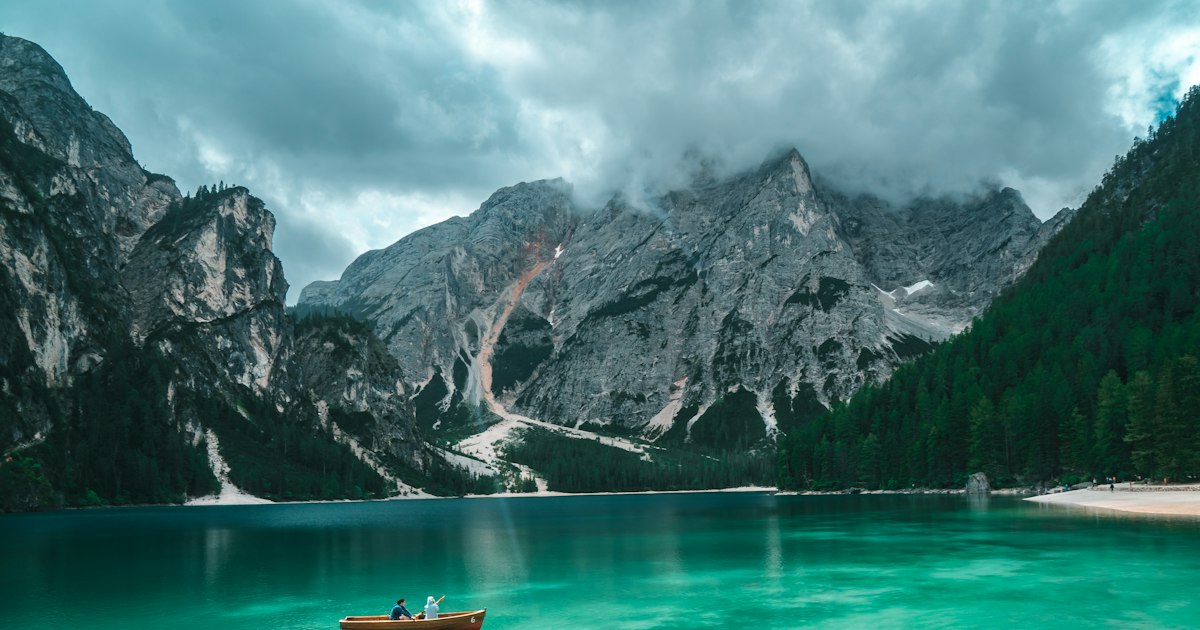
Photo by Joel Vodell on Unsplash
Stand-up paddleboarding has quietly become one of Japan’s most accessible outdoor activities for visitors — no license, no experience required, and gear rental shops exist at both ends of the country’s climate spectrum. The two most popular places foreigners actually book are Lake Kawaguchiko, where you paddle toward Mount Fuji, and Okinawa, where you paddle over coral reefs in water so clear it looks photoshopped. They’re completely different experiences, priced differently, and good in different seasons. Here’s what each actually costs and involves.
Lake Kawaguchiko: paddling toward Mount Fuji
Kawaguchiko is the easiest Fuji-view lake to reach from Tokyo, and its calm, wind-sheltered water makes it one of the most forgiving places in Japan to learn SUP. Most shops cluster along the north and west shores near Oishi Park and the Ubuyagasaki area, where the classic “Fuji reflected behind your board” photo gets taken.
Typical rental rates run around ¥3,000-4,000 for a 1-hour self-guided rental, ¥5,000-7,000 for a 2-hour guided tour, and ¥8,000-10,000 for sunrise tours that catch Fuji before the wind picks up. Most shops operate roughly 7:00-17:00 depending on season, and almost all require advance reservation by phone or online form rather than walk-in — supply is limited and weekends book out, especially during autumn foliage season.
Getting there without a car is doable but takes planning: take the JR Chuo Line or a direct highway bus from Shinjuku to Kawaguchiko Station (about 2 hours), then a short taxi or the Retro Bus to the lakeside. If you’re combining this with other Fuji Five Lakes stops, renting a car makes the day far more flexible.
Best season and time of day at Kawaguchiko
Wind, not temperature, is the real variable here. Mornings before 9am are almost always glassy-calm; by early afternoon, thermal winds off the mountains can kick up enough chop to make paddling tiring for beginners. The clearest Fuji views with the least wind tend to come in late autumn through winter (November-February) on cold, clear mornings, though some shops pause or shorten hours in the coldest weeks. Spring and early summer offer warmer air but hazier mountain visibility more often than not. If Fuji-in-frame is your priority, book a sunrise or early-morning slot and treat anything after is a bonus.
Okinawa: reef paddling and clear water
Okinawa SUP is a different sport entirely — it’s less about scenery-behind-you and more about what’s underneath the board. Shops in Onna Village, around Kabira Bay on Ishigaki, and near the Kerama Islands rent boards for reef and mangrove tours where you can see fish and coral through a few meters of water.
Expect to pay roughly ¥4,000-6,000 for a 2-hour guided tour (nearly all Okinawa operators require a guide for reef and current safety, unlike Kawaguchiko’s self-rental option), and ¥7,000-9,000 for combo tours that pair SUP with snorkeling gear. Clear kayak and glass-bottom combo tours run higher, often ¥8,000-12,000. Shops typically run morning (8:00-9:00 start) and afternoon (13:00-14:00 start) sessions to work around tide tables, since many reef routes are only paddleable at mid-to-high tide.
Main Island Okinawa is reachable by rental car from Naha Airport in under an hour to Onna Village; the outer islands (Ishigaki, Kerama) require a domestic flight or ferry, which is worth factoring into a multi-day itinerary alongside quieter detours like Izena and Iheya if you want to see a less touristed side of the prefecture.
Best season and time of day in Okinawa
Okinawa’s water is paddleable nearly year-round, but comfort varies a lot. June-September is hottest and busiest, with calm mornings being essential — afternoon sun and glare are intense, and typhoon season (roughly August-October) can cancel tours with little notice, so build a buffer day into your schedule if SUP is a trip priority. April-May and October-November offer the best combination of warm water, fewer crowds, and lower typhoon risk. Winter (December-February) is still swimmable for many visitors but water temperatures drop enough that some shops recommend a rental wetsuit, usually an extra ¥1,000-2,000.
Common mistakes renters make
- Not booking ahead. Both regions run small operations with limited board inventory; same-day walk-in availability on weekends is close to zero in peak season.
- Ignoring wind and tide windows. A Kawaguchiko afternoon slot or an Okinawa low-tide reef tour can mean paddling against chop or scraping over exposed coral — ask the shop which window they recommend before you commit to a time.
- Forgetting reef-safe sunscreen in Okinawa. Several marine parks and shops actively discourage oxybenzone-based sunscreen; bring a mineral (zinc oxide) sunscreen from home or buy one at a local drugstore.
- Assuming cash isn’t needed. Smaller lake and island shops, especially outside Naha, often take cash only or have unreliable card readers — carry enough yen, and if you’re near the end of your trip, this is also a good moment to check how remittance and currency logistics work before you fly home.
- Underestimating sun exposure on water. Reflection off both the lake and the ocean roughly doubles UV exposure versus land; a rash guard rented from the shop (often ¥500-1,000) is worth it even on cloudy days.
Budget, mid-range, and splurge picks
For a budget outing, Kawaguchiko’s self-rental hourly boards (~¥3,000) beat anything in Okinawa, since Okinawa’s guide requirement pushes the floor price higher. For mid-range, a 2-hour guided Okinawa reef tour (~¥5,000-6,000) delivers the most visual payoff per yen — clear water and marine life are hard to beat. For a splurge, a private sunrise Fuji tour at Kawaguchiko or a full-day Kerama Islands SUP-and-snorkel charter (¥12,000+) are the two most memorable options, and both are worth booking a guide for rather than going solo, since conditions and photo timing matter most at that price point.
Which one should you pick
If Mount Fuji is the main draw of your trip and you want an easy, low-cost morning activity near Tokyo, Kawaguchiko wins on convenience and price. If you’re already headed to Okinawa for beach time, the reef paddling is worth the higher guided-tour cost for the scenery alone. Travelers doing a two-region Japan itinerary — Tokyo/Fuji area plus Okinawa — can realistically do both, since the seasons that suit each (Kawaguchiko’s crisp winter mornings vs. Okinawa’s warm shoulder-season weeks) rarely conflict with each other.