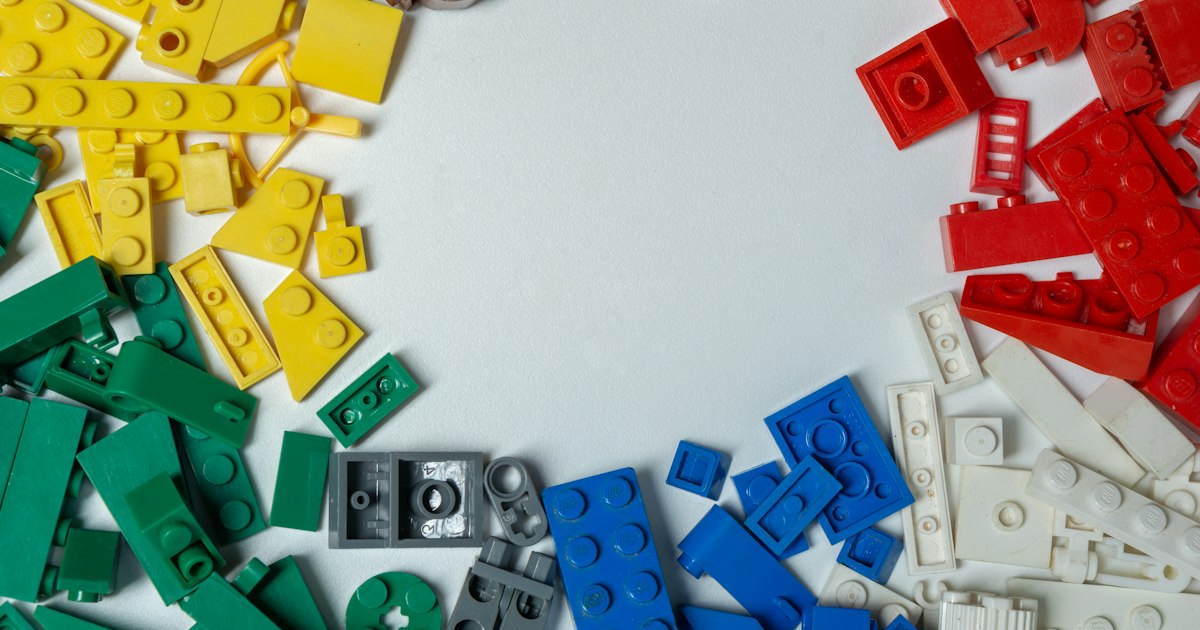
Photo by Mourizal Zativa on Unsplash
Japan isn’t just a LEGO-friendly country — it’s one of the few places in the world with a cluster of full LEGO Certified Stores, each with its own Pick-a-Brick wall, store-exclusive minifigures, and seasonal sets you simply won’t find at a LEGO shop back home. If you’re a collector, or you’re traveling with a LEGO-obsessed kid, these stores are worth building into your itinerary. Here’s what’s actually there, what it costs, and how to avoid wasting a half-day on a closed Pick-a-Brick wall.
Why Japan’s LEGO Certified Stores Are Worth a Detour
LEGO Certified Stores (run under license by Strawberry Fields Co., LEGO’s official Japan distributor) are different from the LEGO corners you’ll see inside department stores or toy chains. A Certified Store carries the full current catalog, runs its own Pick-a-Brick wall, and typically gets region-specific exclusives — commemorative sets tied to the store’s opening, Japan/Asia-market releases like Lunar New Year and Monkie Kid sets that roll out earlier or only in Asian markets, and rotating gift-with-purchase polybags when you spend over a set threshold (often around ¥5,000–¥10,000, depending on the promotion). None of this is guaranteed to repeat on your visit — stock rotates monthly — but it’s the reason serious LEGO collectors specifically route trips through Tokyo, Osaka, or Nagoya.
Where to Find Them
As of now, Japan’s LEGO Certified Stores are concentrated in a handful of major shopping complexes:
- Tokyo Skytree Town (Sumida-ku) — reachable via Oshiage Station on the Tobu Skytree Line or Toei Asakusa Line. One of the larger-format stores, often with Skytree-area tourist traffic.
- DiverCity Tokyo Plaza, Odaiba — take the Yurikamome Line to Daiba Station, or the Rinkai Line to Tokyo Teleport. Good to combine with a broader Odaiba entertainment day, since the island is packed with other indoor attractions worth pairing it with, including Japan’s VR arcades and esports-style VR lounges.
- LaLaport Toyosu (Tokyo) — Yurikamome Line to Toyosu Station, then a short walk.
- LaLaport Expocity, Osaka — Osaka Monorail to Banpaku-kinen-koen Station.
- LEGOLAND Japan Resort, Nagoya — Aonami Line to Kinjo-futo Station. The resort’s main shop is the biggest LEGO retail space in the country and sells park-exclusive minifigures and sets not stocked at the standalone Certified Stores.
Store hours generally follow the host mall’s hours — typically 10:00 to 20:00 or 21:00, seven days a week, with no fixed closing day. Confirm exact hours and current store list on LEGO’s official store locator before you go, since mall tenant changes do happen.
Japan-Exclusive Sets and Store-Opening Specials
The exclusives fall into a few categories, and knowing them helps you judge what’s actually rare versus what’s just seasonal:
- Store-opening commemorative sets/minifigures — small numbered-run items sold only during a store’s launch window, occasionally restocked in tiny batches later.
- Asia-market timing exclusives — Lunar New Year sets and parts of the Monkie Kid line often appear in Japan ahead of or exclusive to Western releases.
- LEGOLAND Japan park-exclusive minifigures — sold only inside the Nagoya resort shop, not at the city-center Certified Stores.
- Gift-with-purchase polybags — tied to spending thresholds and rotated roughly monthly; these are the easiest “exclusive” to actually walk away with.
Bring cash or a card with no foreign transaction fee, and don’t assume anything you see posted online is still in stock — ask staff directly, since the good stuff tends to move within days of restocking.
Pick-a-Brick: How It Works and What It Costs
Every Certified Store runs a Pick-a-Brick wall where you fill a cup with loose elements at a flat price per cup size rather than per piece. As a rough benchmark, expect something in the neighborhood of ¥2,000 for a small cup, ¥4,000 for medium, and ¥6,000 for large — prices and available elements shift store to store and month to month, so treat these as a planning estimate, not a quote. The real value is in the element selection: Japan’s walls regularly stock minifigure parts, botanical pieces, and colors that are hard to find in Pick-a-Brick walls in the US or Europe, because stock is curated locally. If you’re hunting a specific piece, go early in the day before the bins get picked over by other collectors.
Best Time to Go
Weekday mornings right at opening are the quietest window — Pick-a-Brick bins are freshly restocked and you won’t be competing with families for cup access. Avoid weekends and Japanese school holidays (late December–early January, late March–early April, and Golden Week in late April/early May), when these stores get genuinely crowded, especially the Odaiba and Skytree locations that double as tourist stops. If a new set or exclusive is launching, expect a line-forming situation on the release date itself — staff can usually tell you the exact date if you ask when you walk in.
Tax-Free Shopping and Getting Sets Home
LEGO Certified Stores in Japan participate in the consumption-tax exemption for tourists: spend over ¥5,000 (before tax) on a single visit, show your passport at checkout, and the store deducts Japan’s 10% consumption tax on the spot. This is simpler than routing purchases through a downtown tax-free counter — though if you’re also doing serious shopping elsewhere in Tokyo, it’s worth comparing how that works citywide in our guide to downtown duty-free in Ginza and Shinjuku versus the airport. For packing, buy an extra soft duffel or use the store’s reinforced paper bags as a box liner — LEGO boxes crush easily in checked luggage, so built or boxed sets should go in carry-on where possible, or get bubble-wrapped at a ¥100 shop before the flight.
Common Mistakes to Avoid
- Assuming every mall LEGO corner is a Certified Store. Many department stores (Isetan, Takashimaya, Don Quijote) carry LEGO but have no Pick-a-Brick wall and no exclusives — only the dedicated Certified Stores do.
- Forgetting your passport. No passport, no tax exemption, even if you clear the ¥5,000 minimum.
- Going on a weekend expecting a calm browse. These stores double as family day-out destinations for Tokyo and Osaka locals, not just tourist stops.
- Skipping LEGOLAND Nagoya because “it’s just a theme park.” Its retail shop has the widest selection and park-exclusive minifigures unavailable anywhere else in the country.
- Overpacking fragile new-in-box sets in checked luggage. If you care about box condition for resale or display, carry it on.
If you’re building a broader collector’s itinerary around Japan, LEGO stores pair naturally with a stop at a dedicated figure shop — collectors chasing a different kind of Japan-only plastic often also track down Japan’s soft-vinyl kaiju figure scene, which runs on a similar logic of small-batch, store-exclusive drops.