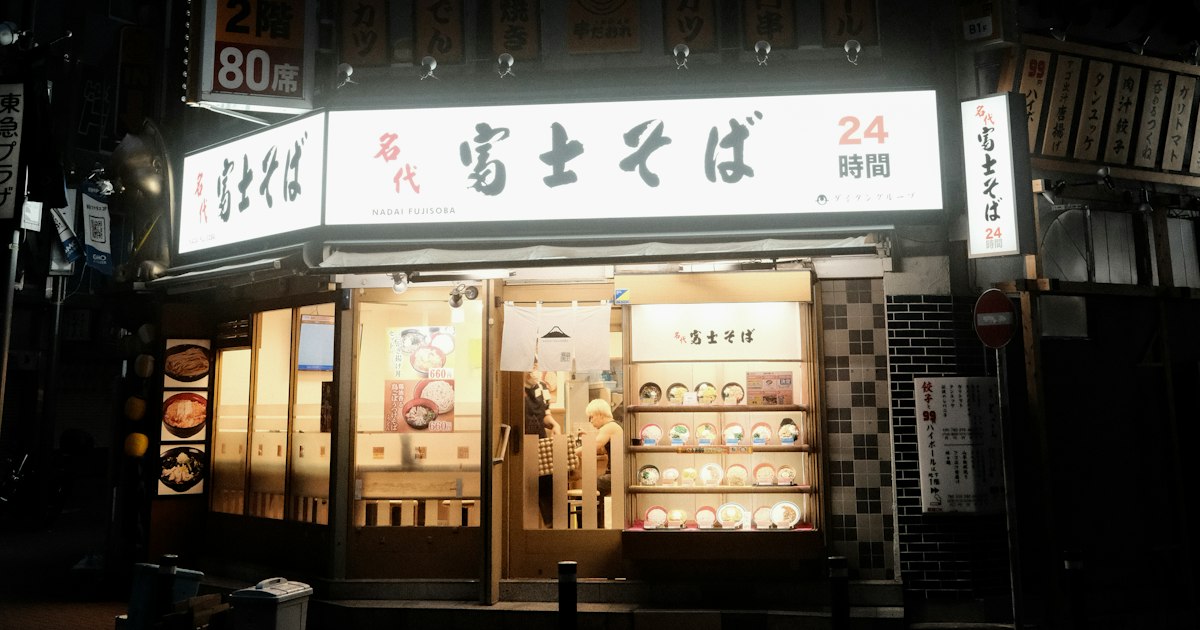
Photo by Perry Merrity II on Unsplash
Running low on contact lenses mid-trip is one of those small travel problems that can derail a day fast — and Japan’s rules around buying them are different enough from the US, UK, or Australia that it’s worth understanding before you’re standing in a drugstore aisle squinting at kanji. The short version: lenses are treated as medical devices here, but there are several realistic paths to restocking even without a Japanese prescription in hand. Here’s how it actually works.
Do You Actually Need a Prescription?
Legally, yes — in Japan, corrective contact lenses (daily, 2-week, and monthly disposables) are classified as “kokansei iryo kizai” (管理医療機器), a controlled medical device category, which means retailers are supposed to confirm you have a valid prescription or have had an in-store eye check before selling them to you. This is different from eyeglasses, which anyone can buy off the shelf.
In practice, this plays out in two very different retail environments:
- Optical chains and contact lens specialty shops will do a quick in-store vision check (often free or a few hundred yen) and issue lenses the same day, even to first-time customers and tourists.
- Drugstores and variety stores (Don Quijote, Loft, Matsumoto Kiyoshi) mostly stock zero-power “cosmetic” circle lenses that don’t correct vision, plus solution and lens cases — they generally won’t sell you prescription corrective lenses without proof of a check.
Cosmetic (plano) circle lenses marketed for Halloween, cosplay, or everyday eye-enlarging looks are sold more freely, but even these technically fall under the same medical device rules since a 2009 regulation change, so enforcement varies by store and staff.
Where Tourists Can Actually Restock
The most reliable route for a traveler is a contact lens specialty chain or an optical chain with an in-house eye-check counter. These exist in basically every major shopping area and department store basement:
- Eyecity (アイシティ) — Japan’s largest contact lens specialty chain, with large-format stores in Shinjuku, Shibuya, Ikebukuro, and other big stations. Staff are used to walk-in customers and the eye check is fast.
- JINS and Zoff — primarily eyewear chains, but most locations have a contact lens corner with the same in-store check. Reliable in shopping malls, including the ones on Odaiba, where Aqua City and DiverCity both have optical shops.
- Alpha Village and Menicon’s own retail counters — Menicon is one of Japan’s biggest contact lens manufacturers and runs direct-to-consumer counters in many cities.
- Drugstores like Matsumoto Kiyoshi and Don Quijote — worth checking for solution, cases, and eye drops even if they can’t sell you corrective lenses outright. Don Quijote locations, which also turn up in our guide to buying a suitcase in Japan, often keep late or 24-hour opening hours, which is handy if your lenses dry out at 11pm.
Typical opening hours for optical shops in malls and near stations run 10:00–20:00 or 21:00, closed occasionally for New Year’s (Jan 1–3). Drugstores in tourist districts (Shibuya, Shinjuku, Dotonbori) frequently stay open until midnight or around the clock.
What It Costs
Lens prices in Japan are generally on par with or cheaper than the US and UK, especially for domestic and Asian brands:
- Daily disposables (30-pair box) — roughly ¥2,000–3,500 for brands like Seed 1dayPure, Menicon Melsheen, or Acuvue Moist; premium options like Acuvue Oasys or Alcon Dailies Total1 run ¥3,500–4,800.
- 2-week disposables (6-lens box) — around ¥2,500–3,500.
- In-store eye check fee — free to about ¥3,000, depending on the chain; some waive it entirely for simple repeat purchases if you can show your existing lens box or packaging.
- Lens solution (355–500ml bottles of OPTI-FREE, ReNu, or AOSept) — ¥800–1,500 at any drugstore, no prescription needed.
Bring a credit card or cash — most optical chains take both, but smaller specialty shops can be cash-preferred, so it’s worth knowing how to pull yen from an ATM; our guide to Japan Post Bank ATMs and foreign cards covers the most reliable option if your hotel area is light on international-friendly machines.
The Fastest Way: Bring Your Own Prescription
The single biggest time-saver is arriving with your actual contact lens prescription — not just a glasses prescription, since contacts need extra numbers that glasses don’t: base curve (BC), diameter (DIA), and the specific brand/power you wear, in addition to sphere, cylinder, and axis. A glasses-only prescription will not let a Japanese optician dispense the right lens.
If you don’t have the paperwork, the next-best option is to bring an empty lens box or blister pack — the brand name and power printed on it is often enough for staff at a specialty shop to cross-reference and either sell you the exact same product or recommend the closest local equivalent.
If You Need a Fresh Eye Exam
If you’ve lost your prescription entirely or your eyes have changed, a Japanese ophthalmology clinic (眼科, ganka) can do a full exam and issue a Japanese prescription, usually same-day with a short wait. Expect to pay out of pocket as a visitor — roughly ¥3,000–6,000 for the exam without Japanese national insurance coverage. Many optical chains work directly with a nearby clinic or have an in-house optometrist for straightforward cases, which is usually faster than a standalone clinic visit.
Common Mistakes to Avoid
- Assuming your glasses prescription is enough. It isn’t — contacts need BC/DIA info your eyeglass prescription won’t have.
- Expecting drugstores to sell corrective lenses on the spot. They’re better for solution, cases, and cosmetic plano lenses, not your actual prescription.
- Waiting until you’re down to your last pair. Pack at least one spare week’s worth, especially if your trip includes rural areas like Noto Peninsula or the Oki Islands, where the nearest optical shop may be a ferry or long drive away.
- Forgetting humidity affects lens comfort. Japan’s summer humidity (June–September) can make daily disposables feel different than at home — rewetting drops from any drugstore help.
- Leaving restocking for your last day. If you’re flying out of a major airport, build in buffer time — the same way you’d plan around a deadline for returning a rental pocket Wi-Fi or SIM at the airport, don’t assume you can dash into an optical shop between check-in and boarding.
Bottom Line
Japan makes it genuinely easy to restock contact lenses as a tourist — the catch is knowing which kind of store to walk into. Head to a specialty chain like Eyecity, JINS, or Zoff for an in-store eye check and same-day corrective lenses, keep drugstores in mind for solution and cosmetic lenses, and always travel with your full prescription details (or at least an empty box) so staff can match you to the right product without guesswork.