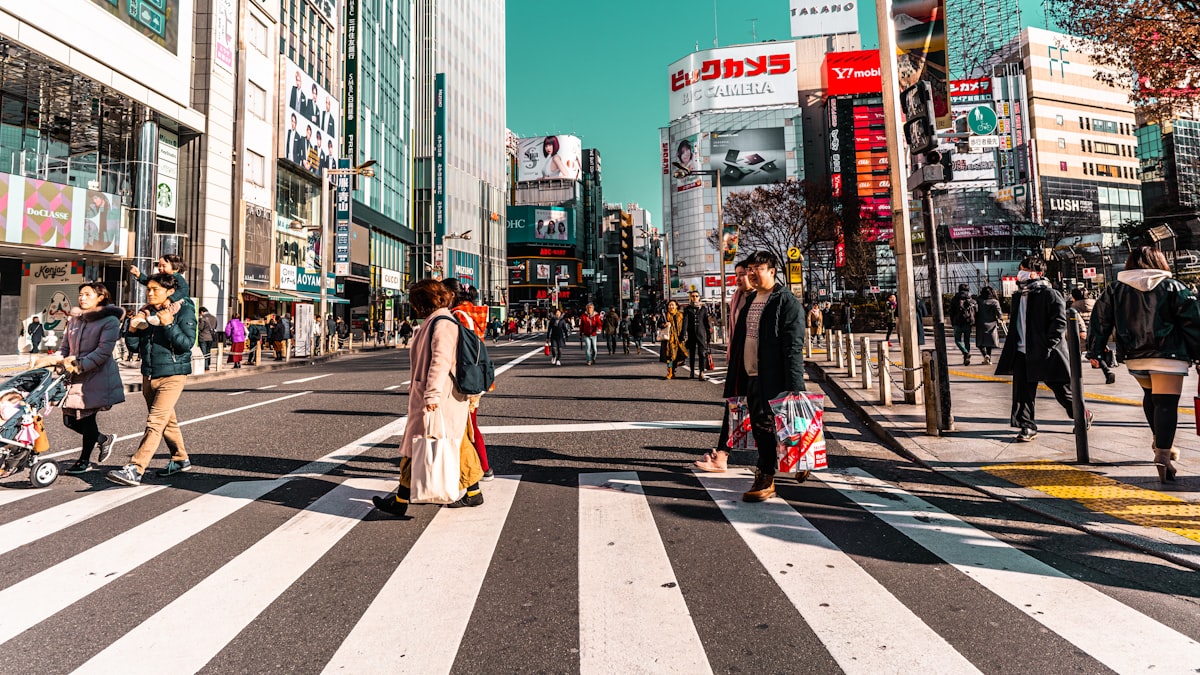
Ginza is Tokyo’s most elegant shopping district — flagship boutiques, historic department stores, and refined dining. Whether you’re window-shopping or splurging, here’s how to enjoy it.
What Ginza is known for
- Luxury flagships — the global fashion houses line Chuo-dori.
- Historic department stores — Mitsukoshi, Matsuya, and Wako with its iconic clock tower.
- Uniqlo & Muji flagships — the giant Ginza stores have the widest ranges; see Uniqlo vs Muji and Muji must-buys.
- Depachika — the department-store food halls are a must for edible gifts and sweets.
Don’t-miss stops
- Ginza Six — a stylish mall with art installations and a rooftop garden.
- Itoya — a legendary multi-floor stationery emporium; see Japanese stationery.
- Weekend pedestrian paradise — Chuo-dori closes to cars on weekend afternoons.
Shopping smart
- Bring your passport for tax-free at department stores.
- Depachika discount seafood/deli near closing time is a fun (and tasty) hack.
- For cheaper souvenirs, pair with Don Quijote or 100-yen shops elsewhere.
Getting there
Ginza Station (multiple lines) drops you in the heart of it; grab an IC card. It pairs well with nearby Tsukiji. More in our Tokyo guide.
What things cost in Ginza
- A set lunch at even a well-regarded Ginza restaurant often runs JPY 2,000-4,000, a fraction of the equivalent dinner price — lunch is genuinely the way to experience Ginza dining without a splurge-level bill.
- Window-shopping is free, and Ginza Six’s rooftop garden costs nothing to visit, making it possible to spend a full afternoon in the district without buying anything beyond a coffee.
- Itoya’s stationery ranges from JPY 200 pens to museum-piece fountain pens well into six figures — browse the lower floors for affordable gifts and work up if a splurge item catches your eye.
Common mistakes to avoid
- Visiting on a Monday — some galleries, smaller boutiques, and specific floors within larger stores close or reduce hours on Mondays; check ahead if a specific shop is your reason for visiting.
- Missing the weekend pedestrian paradise hours — Chuo-dori closes to traffic on weekend afternoons, transforming the main street into a walkable promenade; visiting on a weekday misses this entirely.
- Assuming Ginza is only for luxury spending — the depachika food halls and Uniqlo/Muji flagships offer genuinely accessible price points alongside the high-end boutiques.
Pairing Ginza with a fish-market morning
Ginza sits within easy walking or short train distance of Tsukiji’s outer market, making an early sushi breakfast followed by a late-morning Ginza wander a popular and efficient combination for a first Tokyo visit.
A relaxed half-day plan
Start at Itoya for stationery browsing, walk Chuo-dori’s flagship stores at a window-shopping pace, stop into a department store depachika for a late lunch or snacks, and finish at Ginza Six’s rooftop garden before heading toward Tsukiji or back to your hotel — a comfortable structure that doesn’t require rushing between any single must-see stop.