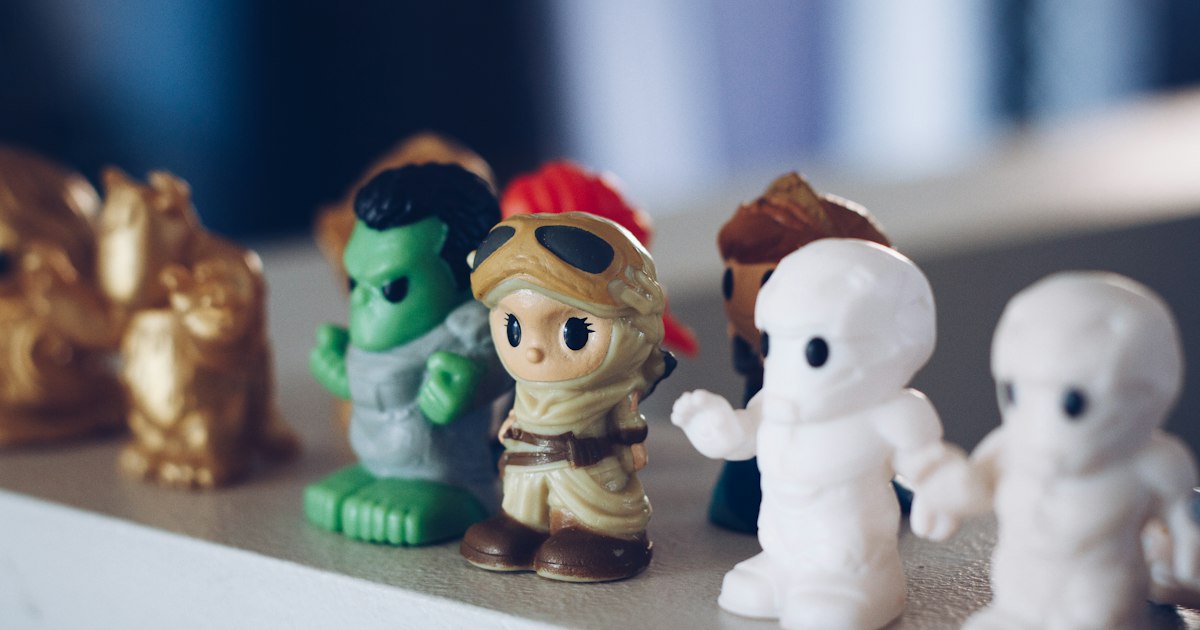
Photo by Benson John on Unsplash
If you’ve scrolled past rows of tiny naked cherubs wearing fruit hats or glow-in-the-dark creatures hiding on a shelf, you’ve met Japan’s blind box toy world. Sonny Angel, Smiski, and the dozens of “nyagacha” and character blind boxes that followed have turned into one of the most approachable, suitcase-friendly souvenirs a visitor can bring home. Here’s how the craze actually works, what you’ll pay, and where to shop without wasting a trip to a store that sold out weeks ago.
What Are Sonny Angel, Smiski, and Blind Box Toys?
Sonny Angel is a line of palm-sized baby figures, each topped with a removable hat (a strawberry, a panda, a cactus, a Shiba Inu—hundreds of designs exist across themed series). It was created by the Japanese company Dreams Inc. in 2005 and has since become a genuine collecting subculture, with secondary-market trading, series checklists, and online “box opening” videos. Smiski, from the same company, is a related but distinct line: glow-in-the-dark figures designed to be tucked into corners of a room, on a shelf edge, or behind a lamp, so they “appear” to be hiding when the lights go off.
Both are sold as blind boxes (japan calls this “box gacha” or simply “box”): the outer packaging shows the full series lineup on the back, but you don’t know which exact figure is inside until you open it. That’s the appeal—and the trap—of the format, and it’s spawned a wider ecosystem of blind box toys covering anime characters, food-themed figures, and collaborations with brands like Studio Ghibli or Sanrio.
Where to Buy Them in Japan
You don’t need to hunt down a specialty import shop; these are mainstream products in Japan, sold at:
- Kiddy Land Harajuku – the most famous multi-floor toy and character-goods store in Tokyo, with a consistently deep Sonny Angel and Smiski selection. Open roughly 11:00–20:00 daily; nearest station is Meiji-Jingumae or Harajuku.
- Loft and Hands (formerly Tokyu Hands) – lifestyle department stores found in nearly every major city, usually with a dedicated blind box toy corner near stationery or gifts.
- Village Vanguard – a quirky variety store chain that stocks newer and collaboration series, often before other retailers.
- Don Quijote (Donki) – the discount chain, useful for late-night or budget browsing, though selection rotates unpredictably.
- Sonny Angel official stores – standalone shops exist in spots like Tokyo Solamachi (Tokyo Skytree Town) and Odaiba, carrying the full current catalog plus store-exclusive releases not sold elsewhere.
Department store pop-up events are also common. Flagship stores in historic shopping districts like Nihonbashi periodically host limited-run character goods fairs on their upper floors—worth checking the store’s event calendar if you’re visiting during a specific series launch.
How Much Do They Cost?
Pricing is refreshingly transparent since it’s fixed by the manufacturer, not scalped at the register:
- Budget: A single Sonny Angel or Smiski blind box runs roughly ¥800–¥990 including tax. This is the standard mini-figure price across nearly every retailer.
- Mid-range: Themed sets, holiday editions, or specialty collaborations (Disney, Ghibli, Sanrio crossovers) typically land between ¥1,500 and ¥3,500 for a single figure or small set.
- Splurge: Limited-run full-size figures, plush versions, or sealed full-case sets (usually 12 boxes per case, guaranteeing one of each design) can run ¥9,000–¥12,000 for a full case—useful if you want a complete series without duplicates, since opening individual boxes is pure chance.
Buying a full case is the single best way to avoid the most common rookie mistake: buying ten individual boxes hoping for variety and ending up with five duplicates of the same hat.
Timing Your Trip Around New Releases
New Sonny Angel series typically drop several times a year, often tied to seasons: spring (cherry blossom/animal themes), summer, Halloween, and a heavily anticipated Christmas/winter series that regularly sells out in Japan within days. If you’re visiting in October or November, expect to see holiday-series restocks happening in real time—check a store’s social media the morning of a release if you want a specific design, as popular ones vanish fast. Conversely, late summer tends to have the calmest shelves and best chance of finding older, overlooked series at full stock.
Common Mistakes to Avoid
- Assuming you can return an unwanted figure. Blind boxes are final sale almost everywhere in Japan once opened, and even unopened boxes face the same general return restrictions as other goods—see this site’s guide to returns, exchanges, and receipts in Japan before assuming a store will swap a duplicate.
- Buying resold “rare” figures at inflated prices online before your trip. Nearly every design is restocked eventually in Japan at retail price; patience at a physical store usually beats paying a markup.
- Overpacking fragile pieces. The hats detach easily and the figures are solid vinyl but can chip—wrap each one individually rather than tossing a handful loose into a suitcase pocket.
- Skipping smaller character-goods districts. Everyone heads to Harajuku, but Tokyo Character Street inside Tokyo Station is an easy add-on if you’re already passing through on a Shinkansen connection, and it regularly carries blind box toys alongside anime merchandise.
Beyond Sonny Angel: Exploring the Wider Blind Box Scene
Once you start looking, blind box toys show up everywhere—convenience store gacha corners, airport gift shops, and boutique concept stores. Design-forward neighborhoods like Daikanyama are good for stumbling onto small shops carrying independent Japanese designer toy lines you won’t find in mainstream chains, often in limited runs with no English signage or online presence—part of the fun is simply browsing without an itinerary.
Whether you leave Japan with a single mystery box or a full case lined up on a shelf at home, the format rewards a bit of strategy: know the price point going in, check for current series before you shop, and accept that part of the charm is genuinely not knowing which tiny hat you’ll get.