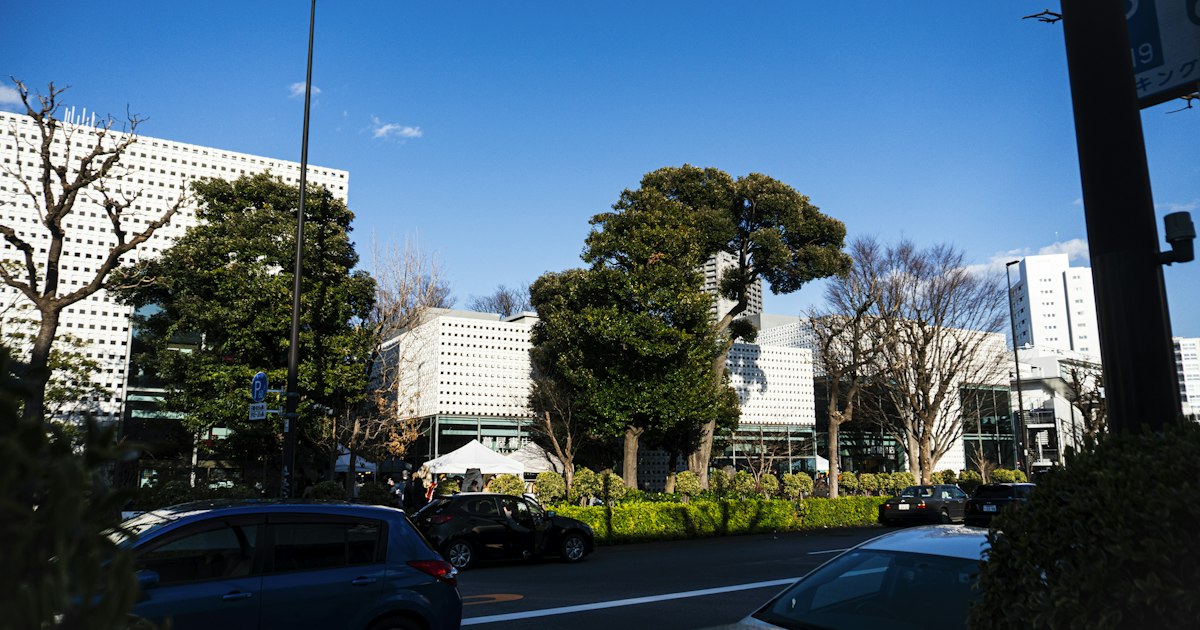
Photo by Hyungjun Goo on Unsplash
Tucked between Shibuya and Ebisu, Daikanyama feels like Tokyo with the volume turned down. There are no pachinko parlors, no crowds elbowing past giant video screens — just tree-lined slopes, independent boutiques, and cafés where the coffee is taken seriously. It’s the neighborhood Tokyoites point to when they want to show visitors a side of the city that isn’t Shibuya Crossing. If you like slow mornings, well-edited clothing racks, and architecture worth photographing, set aside half a day for it.
Where It Is and How to Get There
Daikanyama Station sits on the Tokyu Toyoko Line, exactly one stop from Shibuya (about 3 minutes, roughly 150–160 JPY). This makes it an easy add-on to a Shibuya day rather than a destination requiring its own itinerary. If you’re coming from further afield on the JR network, ride to Shibuya first and transfer to the Toyoko Line, or simply walk — it’s about 20–25 minutes on foot from Shibuya Station through the quieter backstreets, and roughly 15 minutes from Ebisu Station, which makes a Daikanyama-to-Ebisu walk a nice way to link two neighborhoods in one afternoon. Make sure your IC card is loaded before you go; if you haven’t set one up yet, our guide on adding Suica or Pasmo to Apple Wallet covers the setup so you’re not fumbling with ticket machines at the gate.
The Neighborhood’s Anchor: Tsutaya Books T-Site
Most visits start at Tsutaya Books (also called T-Site), a complex of three interconnected glass pavilions designed by Klein Dytham architecture. It opens daily from 7:00 AM to 11:00 PM — unusually early and late for a Japanese bookstore — and functions as much as a lifestyle hub as a place to buy books. Browse design and photography titles, duck into the attached Anjin lounge for coffee and a cocktail list later in the day, and don’t skip the garden courtyard out back, which is popular with local dog owners (there’s even a dedicated dog park area nearby). English-language sections are limited, so this is more of an atmosphere stop than a shopping one unless you read Japanese.
Boutique Shopping: What to Expect and What to Buy
Daikanyama’s retail identity is small, curated shops rather than department stores or chains. Expect:
- Budget (under 5,000 JPY): Independent zine and postcard shops, small ceramics stalls, and casual cafés with pastries from 400–700 JPY.
- Mid-range (5,000–30,000 JPY): Selvedge denim, Japanese-made leather goods, and contemporary fashion labels at boutiques like Okura (Japanese textile-inspired clothing) or the shops scattered through Log Road Daikanyama.
- Splurge (30,000 JPY+): Designer flagship stores and made-to-order tailoring — Daikanyama has long attracted labels that want a quieter, more design-forward storefront than Omotesando offers.
Cow Books, a secondhand bookstore specializing in literature and counterculture titles, is worth a stop even if you don’t read Japanese — the shopfront and curated window displays are a neighborhood landmark in themselves. Most boutiques open around 11:00 AM and close between 7:00 and 8:00 PM; very few open before 11, so there’s no point arriving at 9 AM expecting shops to be running — that’s a café-and-walk window instead.
Log Road and Hillside Terrace
Log Road Daikanyama is a short pedestrian strip built along a former railway track, lined with Nordic-leaning cafés, a Fred Segal outpost, and Spring Valley Brewery, Kirin’s craft beer taproom (pints from around 800 JPY, flight sets available). It’s one of the most photogenic stretches in the neighborhood, especially in spring when the cherry trees along the old track bloom. Hillside Terrace, a few minutes further on, is a 1970s–90s architectural complex by Fumihiko Maki — low-rise, concrete, and genuinely influential in Japanese urban design circles. It mixes galleries, a Danish furniture showroom, and quiet courtyards. Even if you have no interest in architecture, it’s a pleasant, uncrowded place to sit for twenty minutes.
Best Time to Visit
Daikanyama rewards a weekday morning-to-afternoon visit — weekends bring more foot traffic, though nothing close to Shibuya-level crowds. Cherry blossom season (late March to early April) along Log Road and the Shibuya River walkway toward Nakameguro is the single best window, and it conveniently connects to Nakameguro’s famous river-side blossoms about a 15-minute walk south. Autumn (November) is a close second for foliage and mild walking weather. Summer is workable but shadeless in stretches; winter is quiet and fine for shopping since most of the appeal here is indoors or under awnings anyway.
Common Mistakes to Avoid
- Treating it as a half-day-only destination. Daikanyama is compact — most visitors cover the main streets in 2–3 hours. Pair it with Ebisu or Nakameguro rather than building a whole day around it alone.
- Expecting tax-free shopping everywhere. Many boutiques here are small, independent operations that don’t process duty-free paperwork, unlike department stores. If tax-free purchases matter to you, ask before you buy, and keep receipts — our guide to returns, exchanges, and receipts in Japan explains what tourists should know before buying, including the minimum spend thresholds for tax exemption.
- Visiting on a Monday without checking hours. It’s not universal, but a meaningful number of independent boutiques and cafés in Daikanyama take Monday as their weekly closure. Check a shop’s website or Google listing the day before if there’s something specific you want to see.
- Assuming it’s bargain shopping. This is a design-conscious, mid-to-high-price neighborhood. If you’re hunting for deep discounts, Shimokitazawa or Koenji will serve you better.
Rounding Out the Trip
If you’re building a souvenir list while you’re in the area, Daikanyama’s boutiques lean toward fashion and homeware rather than classic omiyage, so save food and gift shopping for a department store basement (depato chika) elsewhere, or a dedicated stop like Tokyo’s Kakimori stationery atelier, where you can build a custom notebook as a gift that’s genuinely hard to find outside Japan. And if any of your purchases are headed back to a workplace rather than family or friends, it’s worth a quick read of our guide to omiyage etiquette — the unwritten rules around individually wrapped items and per-person quantities trip up a lot of first-time visitors.
Daikanyama won’t overwhelm you with sights, and that’s the point. It’s a neighborhood built for wandering at a slower pace, with enough good coffee and well-made things along the way that a loosely planned afternoon here tends to work out better than a tightly scheduled one.