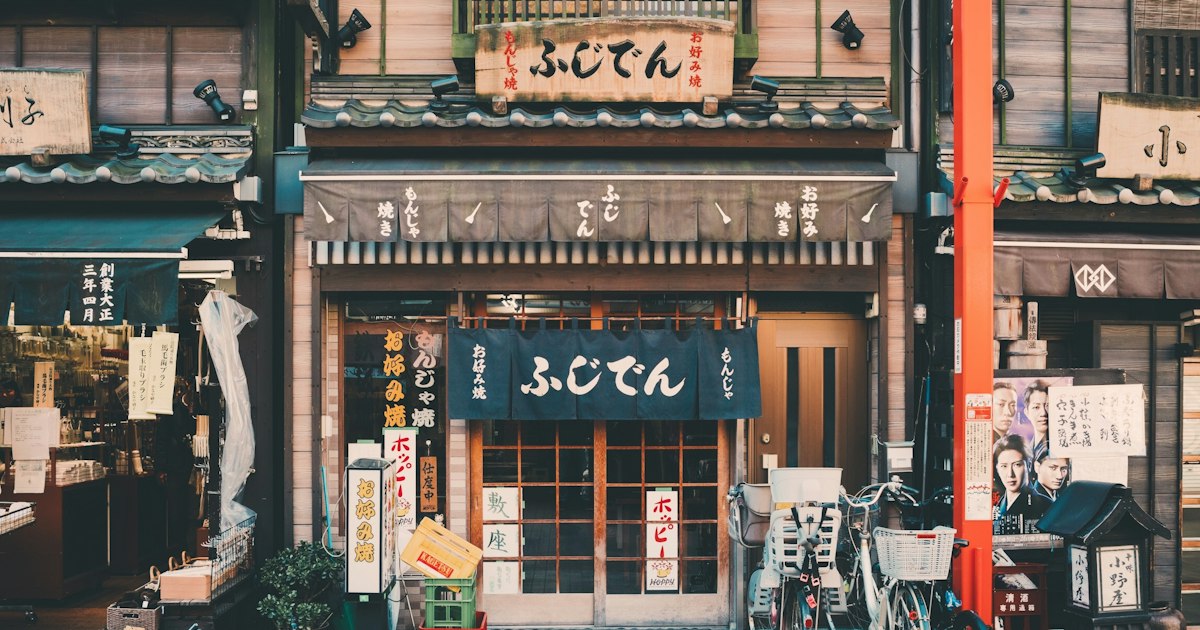
Photo by Clay Banks on Unsplash
You buy a jacket in Shibuya, get home to your hotel, and realize it doesn’t fit. In most countries, that’s a quick trip back to the store with a receipt. In Japan, it might not be — and knowing that before you shop can save you a surprisingly frustrating afternoon. Japan has no consumer law requiring stores to accept returns for “I changed my mind,” and the culture around receipts, exchanges, and tax-free paperwork works differently enough from Western norms that it’s worth understanding before you start filling your suitcase.
Why Japan’s “No Returns” Culture Surprises Visitors
Unlike the US or UK, Japan has no blanket legal right to return merchandise simply because you’ve had second thoughts. Returns and exchanges are entirely a matter of individual store policy, and the default policy at most small and mid-size shops — boutiques, souvenir stores, department store concessions — is “final sale” once you’ve paid and left the counter. This isn’t stores being unfriendly; it reflects a retail culture built around careful pre-purchase decision-making and meticulous quality control at the point of sale, so the assumption is you inspected the item before paying. Staff will often double-check sizing, color, or specifications with you before ringing it up for exactly this reason. Large chains (Uniqlo, Muji, Bic Camera, Yodobashi Camera) are more flexible and do allow exchanges or refunds within a set window, but always with the original receipt and, usually, tags still attached.
Tax-Free Purchases: The Receipt You Cannot Lose
If you’re using Japan’s visitor tax-free shopping scheme (available at stores displaying a “Tax-Free” sign, with a minimum spend of 5,000 yen per store per day), the receipt stops being optional paperwork and becomes a legal travel document. At checkout, staff scan your passport, process the 10% consumption tax exemption, and either hand you a receipt stapled into your passport or attach a tax-free form. Customs officers at the airport can ask to see both the goods and the paperwork before you leave the country, so don’t pack tax-free electronics or cosmetics at the bottom of a checked bag where you can’t retrieve them. If you’re comparing where to buy bigger electronics purchases, Bic Camera vs Yodobashi Camera walks through how each chain handles tax-free processing and points cards, which matters because a lost tax-free receipt generally cannot be reissued — the tax exemption is void and you’ve effectively paid full price.
Defective or Wrong-Size Items: What Actually Works
The “no returns” rule loosens considerably if an item is genuinely defective — a broken zipper, a malfunctioning electronic, food that’s visibly spoiled. Japanese retailers take defect complaints seriously and will typically exchange or refund without argument, provided you have the receipt and it’s within a reasonable window (often 7–14 days, sometimes 30 for electronics). What doesn’t work as well is “it doesn’t fit” or “I found it cheaper elsewhere” — clerks may still help, especially at larger chains, but don’t expect it as a right. A practical workaround for clothing: try things on in-store whenever possible, since fitting rooms are standard even at smaller boutiques, and ask “shichaku dekimasu ka?” (can I try this on?) if it isn’t obvious. For items like Japanese drugstore medicines, where dosing and ingredients differ from what you’re used to at home, it pays to read labels carefully before buying rather than hoping for an exchange later — the Japanese Drugstore Cold & Allergy Medicine guide covers how to pick the right product the first time.
Department Stores vs. Convenience Stores vs. Electronics Retailers
Policies vary meaningfully by retail category, so it helps to know the landscape:
- Department stores (Isetan, Takashimaya, Mitsukoshi): Generally the most accommodating for exchanges on clothing and gifts, especially at the information counter on the ground floor, open roughly 10:00–20:00. Bring the receipt and original packaging; staff are used to foreign customers and often speak some English.
- Convenience stores and quirky variety shops: Nearly always final sale on opened items. If you grab something on impulse at a shop like the one covered in Village Vanguard: Japan’s Quirky Variety Store and What to Buy, treat the purchase as a keeper — these are small, independently-run sections with no real returns infrastructure.
- Electronics retailers (Bic Camera, Yodobashi): The most tourist-friendly for exchanges, typically 1–8 days for unopened items, longer with a manufacturer warranty for defects. Keep the box, cables, and receipt together until you’ve confirmed everything works on your home region’s voltage and plugs.
Lost Your Receipt? Your Options
If you’ve misplaced a receipt, your options narrow fast but aren’t always zero. Paying by credit card gives you a backup: most Japanese retailers can look up a transaction by card number and date, so bring the card you used and the approximate time of purchase. Paying cash with no receipt is the hardest case — stores have no obligation to help, though some will still offer store credit if the item is unused, tagged, and clearly from their shop (a distinctive bag or wrapping helps your case). This is one more reason to keep paper and digital receipts organized during a trip; a simple habit is photographing each receipt immediately after an unusual or expensive purchase, which also helps if you need to reconcile spending once you’re home.
Common Mistakes Tourists Make
A few avoidable errors come up again and again. First, assuming a “final sale” sign only applies to clearance items — in Japan it often just means standard policy. Second, removing tags or packaging before deciding whether to keep something; once tags are off, most stores will refuse any exchange outright. Third, losing track of which receipts are tax-free forms that customs may check — don’t consolidate them with regular receipts in a way that makes them hard to find at the airport. Finally, expecting phone or email support for in-store purchases; Japanese retail resolution happens in person, at the original store, which matters if you’re buying something in Osaka on day two of a two-week trip and won’t pass back through that city. If you’re stacking up souvenirs for coworkers or family, it’s also worth reading Omiyage Etiquette before you buy — knowing the gifting norms up front avoids the situation where you’d want to exchange something simply because it turned out to be the wrong kind of gift.
None of this means Japanese retail is unfriendly to tourists — quite the opposite, service is typically attentive and quality control is high, which is exactly why return policies lean strict. Shop a little more deliberately than you might at home, keep every receipt until you’ve left the country, and you’ll rarely need a return policy at all.