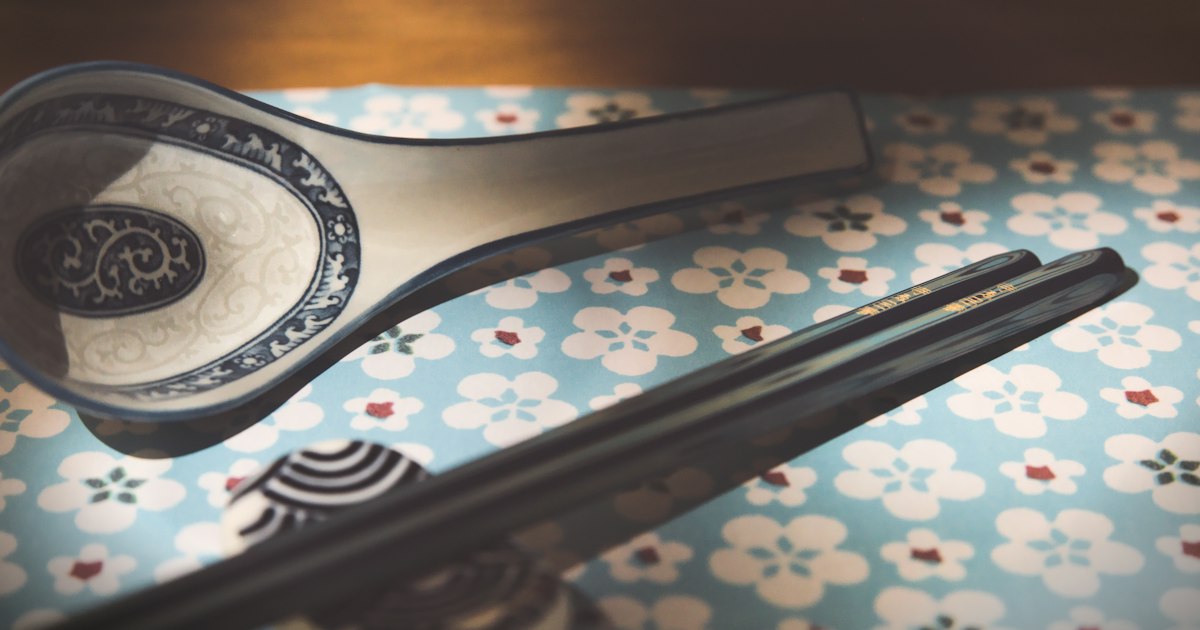
Photo by Jérôme BEHUET on Unsplash
Walk into any Japanese kitchenware shop and you’ll find a small dish of tiny objects shaped like fish, maple leaves, rabbits, or folded cranes, usually priced lower than everything else in the store. These are hashioki (箸置き), chopstick rests, and they’re one of the most satisfying souvenirs you can bring home from Japan: cheap enough to collect by the dozen, small enough to pack in a sock, and varied enough that you could spend a whole trip hunting for the right ones and never run out of new designs.
What Is a Hashioki, and Why Collect It?
A hashioki is a small rest, usually 3-6cm long, that keeps the tips of your chopsticks off the table between bites. They’re functional, but in Japan they’ve also become a genuine collecting category, with vintage pieces from regional kilns traded by serious collectors and new seasonal designs released every few months by craft shops and department stores. Because they’re tiny, inexpensive relative to other Japanese crafts, and tied to specific materials, regions, and seasons, hashioki make an ideal “theme” souvenir: you can build a themed set (one per prefecture visited, one per season, one per material) without blowing your luggage allowance or your budget.
Materials and Seasons: What to Look For
Most hashioki fall into a few material families, and knowing them helps you judge quality and price:
- Ceramic/porcelain — by far the most common. Mass-produced ones from Hasami or Mino run about ¥300-600 each; hand-painted pieces from named kilns like Arita, Kutani, or Kyoto’s Kiyomizu ware climb to ¥1,500-5,000.
- Lacquer (urushi) — glossy, often with gold maki-e decoration, typically ¥1,500-4,000 for a single piece; this is the category where Aizu-Wakamatsu and Wajima work is especially prized. If you’re curious about the lacquerware craft behind these pieces, our Aizu-Wakamatsu lacquerware shopping guide covers the town where much of it is made.
- Glass — common in summer, cool-looking cut or blown glass pieces, usually ¥500-1,500.
- Wood and bamboo — plain, rustic, often the cheapest at ¥200-500, and the most common style in casual izakaya.
Seasonality matters more than you’d expect. Shops rotate stock to match the calendar: sakura motifs appear from February through April, goldfish and morning glories in summer, maple leaves and persimmons in autumn, pine and plum for New Year. If you’re collecting a “one per season” set, you genuinely need to visit at different times of year, or buy ahead when you spot an off-season design, since shops rarely restock last season’s run.
Where to Buy Them in Tokyo
Kappabashi Dougu Street in Taito ward is the best single destination. It’s a strip of professional kitchenware shops between Asakusa and Ueno (nearest station: Tawaramachi on the Ginza Line, about a 5-minute walk), originally built to supply restaurants but welcoming to individual shoppers. Most shops open around 10am and close by 5-6pm, and a fair number are closed on Sundays, so a weekday morning visit is safest. Several shops here sell loose hashioki in baskets for ¥200-800, alongside higher-end boxed sets.
Department store kitchenware floors are the easy backup. Isetan Shinjuku and Takashimaya Nihonbashi both stock curated hashioki from regional craftspeople, generally ¥800-3,000, with gift boxing available on request. For something older and unpredictable, the twice-yearly Setagaya Boro-Ichi antique market (held in mid-December and mid-January) is worth a look — vintage hashioki turn up among the general antique sprawl, usually for less than their shop price, though you’ll need to dig.
Where to Buy Them in Kyoto and Beyond
Kyoto’s Kiyomizu-zaka and Gojozaka, the sloped streets leading up to Kiyomizu-dera temple, are lined with pottery shops selling Kyo-yaki and Kiyomizu ware. Most are open daily, roughly 9 or 10am to 5 or 6pm, and this is a reliable place to find hand-painted ceramic hashioki in the ¥1,000-3,000 range, often with autumn leaf or seasonal flower motifs that suit the temple backdrop itself. It pairs naturally with a half-day in Kyoto; if you’re there in November, it’s an easy add-on to a trip toward the Korankei Gorge further along the Nagoya corridor for autumn colors.
In Nagoya, Noritake Garden sells hashioki and tableware made on-site; the garden and museum charge a small entry fee, but the shop itself is free to browse, open roughly 10am-5pm (closed some Mondays). For budget hunting anywhere in the country, Daiso and other ¥100-shop chains (prices now closer to ¥110-330 with tax) carry simple ceramic and resin hashioki — not collector pieces, but perfectly good as everyday gifts or starter items for kids building their first set.
Budget, Mid-Range, and Splurge Picks
- Budget (¥110-500): Daiso/100-yen shop ceramic or resin pieces, loose-basket finds at Kappabashi.
- Mid-range (¥800-3,000): Named-kiln ceramic pieces from Kiyomizu-zaka or department store kitchenware floors — this is the sweet spot for a souvenir that still looks handmade.
- Splurge (¥3,000-10,000+): Signed lacquerware with maki-e gold decoration, or boxed sets from established kilns like Kutani or Arita — these are the pieces serious collectors in Japan actually chase.
Buying Vintage Hashioki Online
If you’re after retired designs or older kiln marks you can’t find in shops, Yahoo Auctions Japan has an active secondhand market for hashioki, often sold in bulk lots of 5-10 pieces by estate sellers, which can work out cheaper per piece than buying new. Since the site doesn’t ship overseas directly, you’ll need a proxy service — our Yahoo Auctions buyer’s guide walks through how to bid and forward packages from abroad.
Common Mistakes to Avoid
- Not padding them. Ceramic and glass hashioki chip easily in transit — wrap each one individually, don’t just toss a handful into a bag.
- Assuming all craft shops take cards. Many smaller Kappabashi and Kiyomizu-zaka shops are cash-only or have a minimum card amount; carry a few thousand yen in cash.
- Buying the first design you see. Prices for similar-looking pieces can vary 2-3x between a tourist-facing shop and a shop one street over that sells to restaurant professionals — Kappabashi rewards a bit of walking before you commit.
- Overlooking the box. If you plan to resell or gift a piece, the original paper box or pouch (often included free) adds real value later and protects the item in the meantime.
However you build your collection, hashioki are one of the rare souvenirs that reward slow, repeat travel to Japan rather than a single big shopping trip — a few pieces per visit, picked up in the season and region where they were made, ends up telling a better story than a matching set bought all at once.