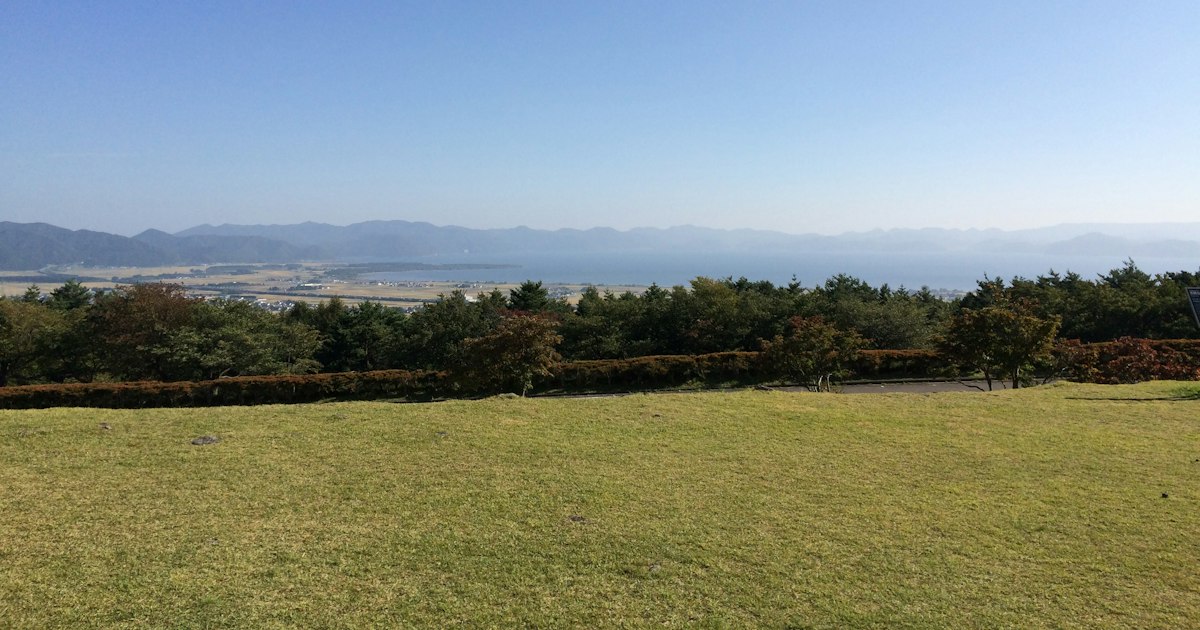
Photo by Rikako Matsuoka on Unsplash
Most foreign visitors never make it to Aizu-Wakamatsu, and that’s exactly why it’s worth the detour. This inland city in western Fukushima Prefecture was the seat of the Aizu domain, one of the last strongholds of shogunate loyalists during the 1868 Boshin War, and it’s still one of the best places in Japan to see real samurai-era history without the crowds of Kyoto or Nikko. It’s also the center of Aizu-nuri, a 400-year-old lacquerware tradition that produces some of the most durable, functional lacquer goods made anywhere in the country. This guide covers how to get there, what to see, and how to shop for lacquerware without overpaying for souvenir-shelf junk.
Getting There and When to Go
From Tokyo, take the Tohoku Shinkansen to Koriyama (about 80 minutes), then transfer to the JR Ban-etsu West Line limited express or rapid service to Aizu-Wakamatsu Station (roughly 65-70 minutes). Door to door, budget around 2.5-3 hours and ¥9,000-10,000 one way with a reserved seat. There’s also a direct highway bus from Tokyo (Shinjuku, Tokyo Station area) that takes about 4.5-5 hours and costs roughly ¥4,000-5,500 — slower but noticeably cheaper, and a reasonable option if you’re not using a rail pass.
Spring (early-to-mid April) brings cherry blossoms around Tsuruga Castle’s moat, one of Tohoku’s better-known hanami spots. Autumn (late October to early November) is arguably the best window — foliage on Iimoriyama and around the castle, mild temperatures, and none of the summer humidity. Winter is atmospheric but genuinely cold and snowy; Aizu sits in one of Tohoku’s heaviest snowfall basins, so pack for it if you visit between December and February.
Tsuruga Castle and the Boshin War Story
Tsuruga Castle (Tsurugajo) is the city’s anchor sight — a reconstructed five-story keep rebuilt in 1965 on the original stone foundations, instantly recognizable by its red roof tiles, a design choice unique among Japanese castles and meant to resist the region’s harsh winters. The current structure sits inside Tsurugajo Park and houses a museum on the castle’s history and the 1868 siege, when Aizu’s forces held out against imperial troops for about a month before surrendering.
The keep is open daily, 8:30am-5:00pm (last entry 4:30pm), with no fixed closed days. Adult admission is ¥410; a combination ticket that adds entry to Rinkaku, the historic tea house on the castle grounds, runs about ¥520. Give yourself 45-60 minutes for the museum floors plus the view from the top.
Iimoriyama and the Byakkotai
A short bus or taxi ride from the station, Iimoriyama is a small hill where a unit of teenage samurai cadets, the Byakkotai (White Tiger Force), died during the castle’s siege rather than surrender — a story still taught to Japanese schoolchildren and central to the city’s identity. An escalator (slope conveyor) up the hillside costs around ¥250 each way if you’d rather skip the stairs.
At the top, don’t skip Sazaedo, a bizarre and genuinely unique wooden structure built as a double-helix spiral so that pilgrims climbing up never cross paths with those descending — one of the strangest pieces of religious architecture in Japan. Entry is a small separate fee, around ¥400. The whole hill, including the Byakkotai memorial and a small museum, takes about an hour.
Aizu Lacquerware: 400 Years of Craft
Aizu-nuri traces back to the late 16th century, when the local lord Gamo Ujisato invited lacquer and woodworking craftsmen from Kyoto’s Omi region to set up shop here, taking advantage of the area’s abundant lacquer trees and humid climate, which is ideal for curing lacquer slowly and evenly. Unlike more decorative lacquerware traditions, Aizu-nuri built its reputation on everyday durability — bowls, trays, and boxes meant to be used daily for decades, finished with techniques like kinsai (gold powder decoration) and tetsusabi-nuri, an iron-rust-toned finish unique to the region.
This is a useful distinction if you’re comparing it to other Japanese crafts you may have seen written up elsewhere — Aizu lacquerware sits closer to functional heirloom tableware than to display pieces, which also makes it one of the more practical souvenirs to actually use once you’re home.
Where to Shop for Aizu-Nuri
The old merchant street Nanukamachi-dori, a short walk from the station, is the main shopping area and still has several Edo- and Meiji-era storefronts.
- Budget (¥1,000-3,000): Lacquered chopsticks, small sake cups, and coasters are the easiest entry point and pack well. Several shops on Nanukamachi-dori sell these without pressure to buy more.
- Mid-range (¥3,000-15,000): Lacquered rice bowls (owan) and soup bowls are the classic practical buy — look for a solid wood core rather than a resin base, which shop staff will confirm if you ask. Suzuki Morihisa Shoten, a lacquerware specialist with roots going back generations on Nanukamachi-dori, is a reliable stop for this tier and can explain which pieces are dishwasher-tolerant (most traditional ones aren’t).
- Splurge (¥20,000 and up): Multi-tiered jubako boxes and fine maki-e decorated pieces, often made to order or sold as limited runs, fall into this range. These are genuinely collectible and worth it if you want a piece that will outlast everything else in your luggage.
If your dates line up, keep an eye out for the Aizu lacquerware market, a spring event (typically around late April to early May) where multiple workshops sell direct — prices tend to be fairer than in fixed retail shops, though exact dates shift year to year, so confirm locally or with your accommodation before planning around it.
Getting Around and Common Mistakes
The city runs two color-coded loop buses, Haikara-san (clockwise) and Akabe (counterclockwise), that connect the station, Tsuruga Castle, and Iimoriyama. A one-day pass costs around ¥600 and pays for itself after two or three rides; if you haven’t used a flat-fare loop bus in Japan before, our guide to riding local buses in Japan covers how boarding and fare payment actually works, which applies directly here.
The most common mistake visitors make is trying to see Aizu-Wakamatsu as a rushed half-day stop between Tokyo and somewhere else — the Koriyama transfer alone eats real time, and rushing means you’ll likely miss Iimoriyama or the lacquerware district entirely. Plan for a full day minimum, or an overnight if you want to add the nearby thatched-roof post town of Ouchi-juku. The second mistake is buying lacquerware at station gift shops instead of Nanukamachi-dori — the selection is thinner and markups are higher than at the specialist shops a ten-minute walk away.
If you’re building out a Japan itinerary around smaller, history-rich day trips rather than the major cities, Aizu-Wakamatsu pairs well conceptually with other overlooked destinations like Yanagawa’s canal-boat town in Fukuoka — different region, same idea of getting real local character without the crowds. And if lacquerware sparks a broader interest in Japanese handcraft shopping, our guides to temari thread balls and kumihimo braiding kits cover two more traditional crafts that travel well and make for genuinely distinctive souvenirs.