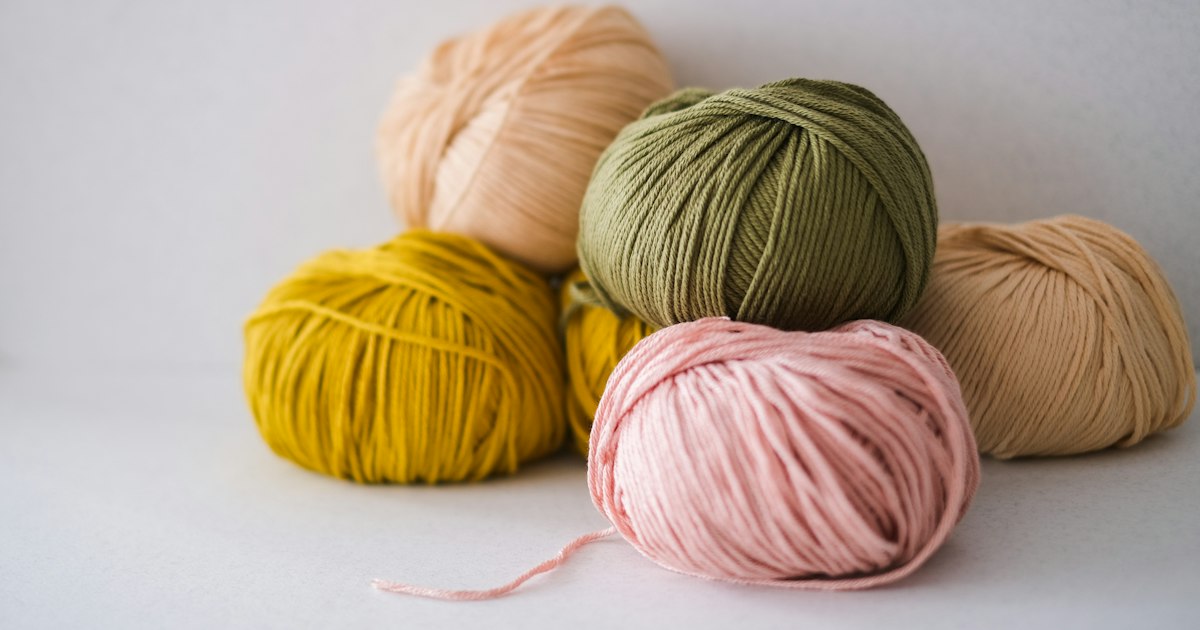
Photo by Raelle Cameron on Unsplash
Japan has one of the most sophisticated knitting cultures in the world, and Tokyo is where it concentrates: boutique yarn studios stocking hand-dyed indie skeins, multi-floor craft department stores, and an entire fabric district where wool sits alongside bolts of cotton and silk. If you knit, crochet, or just want souvenirs with more personality than a keychain, these shops are worth building an afternoon around. Here’s where to go, what things cost, and the mistakes first-time visitors make.
Okadaya in Shinjuku: the essential first stop
Okadaya is the shop most overseas knitters mean when they say “the yarn store in Tokyo.” It’s a narrow, multi-story building just off Shinjuku’s south side (a few minutes’ walk from Shinjuku Station, near the Isetan side of the street), and each floor is dedicated to a different craft: buttons and trim on one, fabric on another, and yarn and knitting notions typically on the 4th–5th floors. Expect wool-blend worsted-weight skeins from ¥400–¥1,200, with Japanese brands like Daruma and Hamanaka making up most of the shelves alongside imported European yarns at a premium.
It’s open daily, roughly 11:00 AM–8:00 PM, and it gets genuinely crowded on weekends, so a weekday morning visit is far more pleasant for browsing. Staff don’t usually speak much English, but yarn weight and fiber content are printed on the ball bands in both Japanese and numerals, so you can shop by gauge even if you can’t read the label fully.
Keito: the boutique for Japanese indie yarn
If Okadaya is for stocking up, Keito is for splurging. This small shop in Komagome (a quiet residential area reachable via the Yamanote Line) specializes in curated, often hand-dyed yarns from small Japanese producers that rarely get exported — many knitters who follow Japanese dyers on Instagram make a special trip here just to buy in person. Skeins commonly run ¥2,000–¥5,000, and because batches are small, inventory changes often; if you see a colorway you love, buy it rather than planning to “come back later.” The shop is compact and the owners are used to foreign visitors, with some English support for sizing and care questions. It’s closed on irregular days, so check current hours before making the trip rather than relying on older listings.
Nippori Fabric Town: a half-day craft district
Nippori Sen-i Gai, a ten-minute walk from Nippori Station, is technically a fabric district, but several of its roughly 90 shops carry yarn, and it’s worth combining with a yarn-shopping day regardless. Tomato is the anchor shop and the easiest to navigate for first-timers, with a dedicated notions and trim building a short walk from the main fabric floors. Most shops here open around 10:00 AM and close by 6:00 PM, and almost everything shuts on Sundays or Wednesdays depending on the shop — this is the single most common mistake visitors make, showing up on the “wrong” closed day after building a trip around it. Budget a full morning if you want to browse properly, and bring cash; smaller shops in the district are less likely to take cards.
Yuzawaya and 100-yen stores: the budget option
Yuzawaya is a nationwide craft chain with several Tokyo branches (Kichijoji and Machida are easy ones to reach), and it’s the practical choice for acrylic and wool-acrylic blends, knitting needles, stitch markers, and project bags at everyday prices — think ¥300–¥800 per skein. For truly cheap practice yarn or notions in a pinch, Daiso and Seria (100-yen shops with branches everywhere, including inside Shinjuku and Harajuku) stock basic acrylic yarn and plastic needles, which is genuinely useful if you want to swatch something before committing to nicer wool.
Patterns, needle sizing, and other practical traps
Japanese knitting patterns are published differently than Western ones — many are charted with symbols rather than written row-by-row instructions, so even non-Japanese readers can often follow them once they learn the standard symbol key (available in English online). Needle sizes are also a common trap: Japan uses its own numbering system (for example, a Japanese size 6 needle is roughly 4mm), which doesn’t map directly onto US or UK sizes, so double-check the millimeter conversion printed on the packaging rather than assuming the number alone translates.
Pattern books (amigurumi, lace shawls, sweaters) are sold at Okadaya, bookstores like Kinokuniya, and craft shops generally for ¥1,200–¥2,500, and make excellent lightweight souvenirs compared to bulky yarn. If you’re shopping for gifts rather than your own projects, this is often the better buy for suitcase space.
Best timing and other souvenir-shopping context
Yarn shopping works well as an indoor activity for a rainy day or during Tokyo’s humid summer months, when wandering outdoor districts is less appealing. Autumn and winter (roughly October through February) is when Japanese shops roll out their best new wool-blend and mohair lines, so it’s the better season if you want the newest colorways rather than summer cotton and linen yarns. If you’re building out a wider niche-shopping itinerary in Tokyo, it’s worth pairing a yarn-hunting day with other specialist stops — fans of Japanese textile craft more broadly often enjoy seeing Edo Komon dyeing workshops, and shoppers chasing Japan-only goods in general will recognize the same hunt-for-the-rare-item logic in guides to Visvim’s cult releases or Asics’ Japan-exclusive colorways at outlet stores.
One last practical note: wool and yarn are not restricted for import into most countries, but if you’re buying in bulk for resale rather than personal use, check your home country’s customs rules before you fly — personal hobby quantities are rarely an issue, but commercial-quantity declarations are a different category.