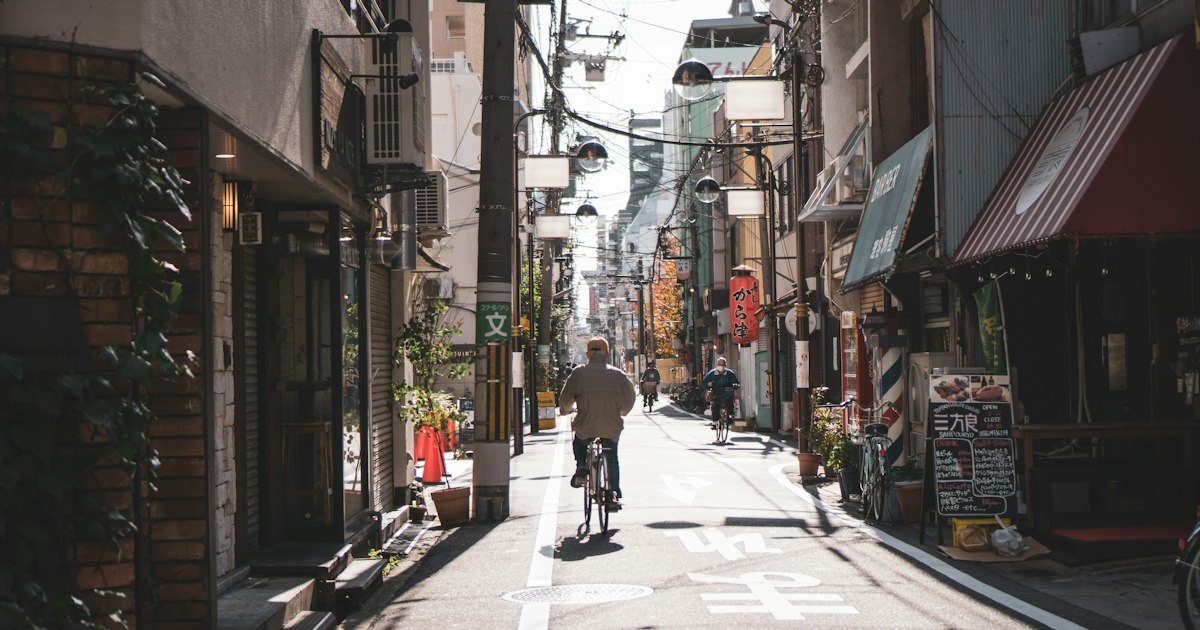
Photo by Emil Karlsson on Unsplash
If you’ve spent any time in sneaker or streetwear forums, you’ve seen the name Visvim whispered with a mix of reverence and confusion — reverence because the quality is genuinely exceptional, confusion because a plain-looking moccasin or sneaker can cost as much as a round-trip flight to Japan. Visvim isn’t a brand you stumble into; it’s one you seek out. This guide explains what the brand actually is, why it costs what it costs, and exactly where to shop for it in Japan, whether you want it brand new or are hunting for a deal on the secondhand market.
What Visvim Actually Is
Visvim was founded in Tokyo in 2001 by designer Hiroki Nakamura, who previously worked in footwear design for Burton in Japan. The brand’s whole identity is built around traditional textile and dyeing techniques — natural indigo dyeing, boro-style patchwork repair, hand-stitched leather, and vegetable-tanned moccasins — applied to what looks, at a glance, like ordinary Americana-influenced streetwear: flannel shirts, work jackets, and above all, footwear. Visvim’s FBT sneaker and its moccasin lines are the brand’s signature pieces, and both are made using construction methods closer to bespoke shoemaking than mass-market sneaker production.
This is also why Visvim is expensive even by designer-streetwear standards. A pair of FBT sneakers typically runs ¥85,000–130,000, moccasin boots often land in the ¥100,000–160,000 range, and hand-dyed or boro-patched outerwear can climb past ¥300,000–400,000. Basic tees and shirts are the “entry point,” usually ¥25,000–50,000. If you’re coming from a fast-fashion or even premium-denim mindset, recalibrate — you’re paying for materials, dye lots, and construction time, not a logo.
Where to Buy New Visvim in Tokyo
Visvim doesn’t blanket Japan with stores the way a mainstream brand would. The brand’s own retail presence is concentrated in Tokyo, centered around the Minami-Aoyama and Jingumae area, where Visvim operates its directly-run boutiques (often branded “F.I.L.,” which also stocks the brand’s workwear-leaning sister line, WMV). Store hours in this part of Tokyo typically run from late morning to early evening — expect something like 11:00–19:00 or 12:00–20:00, but always check the current hours on Visvim’s official site before making a special trip, since boutique hours and even locations shift more often for niche designer brands than for big retailers.
If you’d rather browse multiple high-end Japanese and international labels under one roof, Visvim is also carried at major Tokyo select shops and concept stores. Dover Street Market Ginza is one of the most reliable places to see Visvim merchandised alongside Comme des Garçons, Junya Watanabe, and other Japanese designer labels — useful if you want to compare Visvim’s construction quality against its peers in person. United Arrows & Sons and Restir are other Tokyo multi-brand stores known for carrying rotating Visvim stock, though availability depends heavily on the season’s drop.
Buying Visvim Secondhand (and Why You Might Want To)
Because Visvim’s new-season prices are steep and in-store stock is unpredictable, a large share of serious buyers — Japanese and foreign alike — shop secondhand instead. Japan has an exceptionally well-organized resale ecosystem for this kind of high-end streetwear, and it’s worth using even if you’ve never bought secondhand clothing before.
- 2nd Street — nationwide chain with Tokyo locations in Shibuya, Harajuku, and Shimokitazawa; carries Visvim at a meaningful discount to retail, condition varies by store.
- Ragtag — a more curated, higher-end secondhand chain (Harajuku and Shibuya branches) that specifically stocks designer and cult streetwear labels like Visvim, often in excellent condition.
- Jumble Store and Rinkan — Tokyo consignment shops that specialize in exactly this tier of Japanese streetwear and are known among collectors for carrying rare, discontinued Visvim pieces.
Secondhand prices for Visvim can run anywhere from 30% to 70% of original retail depending on condition, rarity, and how long ago the piece was released — some boro or limited-run pieces actually appreciate over time rather than depreciate, which is unusual for clothing but common for cult Japanese labels.
Sizing, Authentication, and Common Mistakes
A few things trip up first-time buyers specifically:
- Sizing runs differently than mainstream sneakers. Visvim footwear, especially moccasins, is often described as running narrow or needing a break-in period because of the vegetable-tanned leather. If you’re buying in person, try the shoe on rather than ordering your usual size blind.
- Not every “Visvim” at a flea market or small shop is authentic. Because resale prices are high, counterfeits exist, particularly for the FBT sneaker line. Buying from the brand’s own stores, Dover Street Market, or established secondhand chains like Ragtag and 2nd Street is far safer than an unverified seller.
- Tax-free shopping has a minimum spend and requires your passport. As with most Japanese retail, Visvim boutiques and the select shops that carry it offer consumption-tax exemption for tourists on qualifying purchases, but you must bring your passport and the purchase must meet the store’s minimum threshold — ask staff at checkout rather than assuming it’s automatic.
- Don’t assume you can “complete a fit” in one visit. Visvim intentionally produces small batches and doesn’t restock sold-out colorways, so a specific jacket or sneaker you saw online may simply not be in Tokyo when you arrive. Treat a Visvim shopping trip as a chance to discover what’s in stock, not a guaranteed pickup errand.
Best Time to Shop and How to Plan the Trip
Visvim typically releases new seasonal collections twice a year (spring/summer and fall/winter), with pieces trickling into stores over several weeks rather than dropping all at once. If you want the freshest selection, visiting Tokyo shortly after a new season launches — roughly March–April or September–October — gives you the best odds of full size runs. If you’re more interested in secondhand hunting and don’t care about having the newest colorway, timing matters far less; resale inventory turns over constantly regardless of season.
Because the relevant stores cluster in Aoyama, Harajuku, and Shibuya, a Visvim shopping run pairs naturally with a broader day of browsing Tokyo’s designer and streetwear scene — budget half a day if you want to hit both the brand’s own boutique and a couple of secondhand shops without rushing. If craftsmanship-driven Japanese brands are what draws you to Visvim in the first place, it’s worth also looking into Montbell for technical outdoor gear made with similar domestic attention to detail, or Asics if you want Japan-exclusive footwear at a far more accessible price point. And if the hand-dyeing techniques behind Visvim’s indigo pieces intrigue you, Edo Komon dyeing shows where some of that textile tradition actually comes from.
Budget, Mid-Range, and Splurge Takeaways
If you’re working with a modest budget, start at secondhand chains like 2nd Street for basics and worn-in footwear. For a mid-range approach, Ragtag or Jumble Store offer better-curated stock at a real discount to retail while still letting you handle pieces in person before buying. If you’re splurging on a once-in-a-trip piece — a hand-dyed jacket or a fresh pair of FBTs in your size — the brand’s own Tokyo boutique or Dover Street Market Ginza are the safest bets for authenticity and the full current lineup. However you shop, go in with flexible expectations about what’s actually in stock, and treat the hunt itself as part of the experience — that’s a large part of why people chase this brand in the first place.