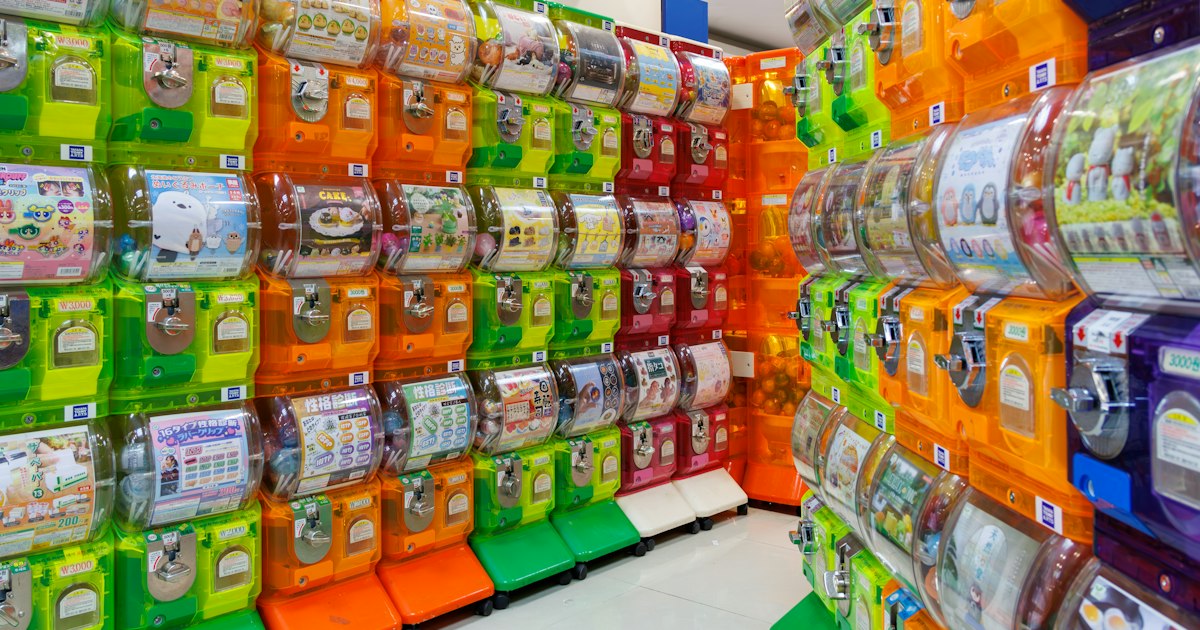
Photo by Dohyuk You on Unsplash
Anyone who has fed hundred-yen coins into a wall of gachapon machines in a Tokyo arcade has probably thought, at least once, “I want one of these in my living room.” It’s more achievable than it sounds — secondhand capsule toy machines circulate in Japan at prices far below retail, and plenty of visitors do bring one home every year. The catch isn’t finding a machine, it’s knowing what you’re buying and how you’re going to get a 15-kilogram metal box through customs. Here’s how to do it without surprises.
What You’re Actually Buying
“Gachapon” machines fall into a few broad types, and the type matters more than the branding on the front panel:
- Single-head plastic machines — the small, lightweight countertop kind used in shops and restaurant lobbies. Simple coin mechanism, one capsule size, easy to move.
- Multi-head metal machines — the tall, heavy units with two to four capsule globes stacked on a cabinet, the kind you see lined up in arcades and station concourses. These are the ones people usually picture, and they’re a different proposition to transport.
- Vintage or novelty machines — older mechanical units, character-branded cabinets, or retro designs from the Showa era, which collectors specifically hunt for.
Capsules themselves come in a few standard diameters (roughly 32mm, 45mm, 65mm, and the larger “big” size around 85–100mm), and a machine is usually built for one specific size. If you want to keep using it with capsules bought locally once you’re home, check which size the globe and chute are set up for before buying.
Where to Find Used Machines
You won’t usually find secondhand gachapon machines in ordinary toy stores — they move through a narrower set of channels:
- Secondhand toy and hobby dealers in Tokyo’s collector districts, particularly around Akihabara and Nakano Broadway, occasionally stock used machines or can source one. Shops like Mandarake deal mainly in the toys themselves, but staff can sometimes point you toward a vending-equipment dealer they work with.
- Used vending machine wholesalers are the most reliable source — these are businesses that specifically refurbish and resell capsule machines, arcade claw machines, and drink vending units to shops. They’re mostly online-order businesses rather than walk-in storefronts, so you’ll be dealing with them by phone or email, often with help from a Japan-based proxy if your Japanese is limited.
- Yahoo! Auctions Japan and Mercari have a steady supply of used machines from shops upgrading their lineups, typically listed with photos of the coin mechanism and any wear. This is where most of the real bargains are, but you’ll need a Japan shipping address or a proxy-bidding/forwarding service, since neither platform ships large freight overseas directly.
- Flea markets and recycle shops (risaikuru shoppu) outside major cities occasionally have a lone machine from a closed arcade or shuttered shop, usually priced to move quickly since the seller doesn’t want to store it.
If you’re already in Tokyo scouting secondhand goods, it’s worth pairing this errand with a stop in Asakusabashi, the city’s wholesale district for dolls and craft supplies — it won’t have vending machines, but several shops there deal in toy parts and display fixtures, and staff are generally used to fielding odd sourcing questions from hobbyists.
What They Actually Cost
Prices vary a lot by condition, size, and whether the mechanism has been serviced:
- Budget (¥8,000–¥20,000): Single-head plastic machines, often with scuffed panels or a coin mechanism that needs a light cleaning. Fine for display or light home use.
- Mid-range (¥25,000–¥60,000): Multi-head metal arcade units in working condition, sometimes with a lit header sign. This is the range most buyers end up in.
- Splurge (¥70,000 and up): Vintage character machines, rare novelty cabinets, or units sold as a matched set of three or four for a home arcade corner. Collector demand drives these prices, not the hardware itself.
Whatever the machine costs, budget separately for cleaning, a coin mechanism adjustment if you want it to take your home country’s coins, and — this is the part people forget — shipping, which can easily exceed the machine’s purchase price.
What to Check Before You Buy
- Coin mechanism settings. Most machines are calibrated for the Japanese ¥100 coin by size and weight. Mechanical coin slots can sometimes be adjusted or swapped for a different coin, but this needs a technician — don’t assume it’s plug-and-play with your home currency.
- Power requirements. Machines with lit signage or a motorized capsule-drop (rare, but they exist on newer units) run on Japan’s 100V supply. If your home outlet standard is different, you’ll need a step-down/step-up voltage converter, not just a plug adapter.
- Capsule size match. Confirm the globe and dispensing chute size before buying if you plan to keep stocking it — a mismatch means the capsules jam or won’t drop.
- Key included. The coin box and capsule globe are usually lockable. Ask specifically whether a key is included; replacements aren’t always straightforward to source once you’re home.
Shipping It Home
This is the step that trips people up. A multi-head metal machine can weigh 15–30kg and stand over a meter tall — too big for checked luggage and often too heavy for standard international parcel services. Realistic options:
- International freight forwarders that handle furniture and oversized goods can crate and ship a machine by sea (cheaper, 4–8 weeks) or air (faster, considerably more expensive). Many used-vending dealers who sell internationally already have a forwarder relationship and can quote shipping as part of the sale.
- Customs and duty vary by destination country — toys generally carry low duty rates, but a mechanical vending device may be classified differently depending on your country’s customs code, so it’s worth checking your home country’s import rules before committing to a purchase, not after it’s already crated.
- Buy packing materials locally if you’re hand-carrying smaller single-head machines in checked luggage — compression cubes won’t help with a rigid plastic cabinet, but sturdy packing material from a shop like the ones covered in this carry-on shopping guide to Don Quijote and Tokyu Hands is worth grabbing for padding fragile panels and glass.
Common Mistakes
- Buying before confirming shipping cost. A ¥25,000 machine that costs ¥40,000 to freight home is still a reasonable souvenir for some buyers and a bad deal for others — know the total before you commit.
- Assuming cash isn’t needed. Secondhand dealers, flea markets, and small vending wholesalers often expect cash or bank transfer rather than card. If you’re relying on a foreign card for a big-ticket purchase, read up on why foreign credit cards get declined in Japan before you’re standing in a shop with no backup plan.
- Skipping a test run. Always ask to feed a coin through and turn the handle before paying, even on an online listing with video — a jammed mechanism is the most common issue with older units.
Best Timing to Shop
There’s no strict seasonality to buying used machines, but late winter and early spring (January–March) tends to bring more stock onto the secondhand market, as shops and arcades refresh their lineups ahead of the new fiscal year in April and offload older units. If you’re shopping Yahoo! Auctions or Mercari, listings also spike slightly after major gachapon franchise refreshes, when arcades retire machines to make room for new character tie-ins. Outside of that, it’s really a matter of checking listings regularly — good units at reasonable prices don’t stay up long.